
A report published by a group of Italian lawyers and legal scholars after a June visit to the migrant reception sites in Albania raises concerns about the suitability of the facilities.
The Italian government missed a self-imposed deadline of August 1 to complete the building of structures in Albania meant to house migrants rescued at sea, the the news agency Agence France Presse (AFP) reported on Thursday, August 1.
In June, Italian Prime Minister Giorgia Meloni visited Albania and announced that two sites designated as reception and detention centers would be ready to host the first 1,000 individuals in the Balkan country by the start of August. However, with intensive construction reportedly still ongoing at one of the sites, doubts have been raised. According to media reports, neither Italian nor Albanian officials have specified when the first group of migrants is expected to arrive.
Site visit
Loredana Leo, a lawyer based in Rome and a member of Associazione Per Gli Studi Giuridici Sull’Immigrazione (ASGI), a group of independent lawyers and scholars focused on migrant rights, told InfoMigrants that she is not all surprised that the Italian government has fallen short of its plans to start sending migrants to Albania by August 1.
In June, Leo was one of the ASGI lawyers who visited the proposed sites in Albania. During the five-day trip, ASGI also interviewed various interlocutors, activists, and members of civil society organizations.
"The construction, particularly at the second site of Gjader, was still ongoing. It was clear that it would be impossible to complete it in two months time," said Leo.
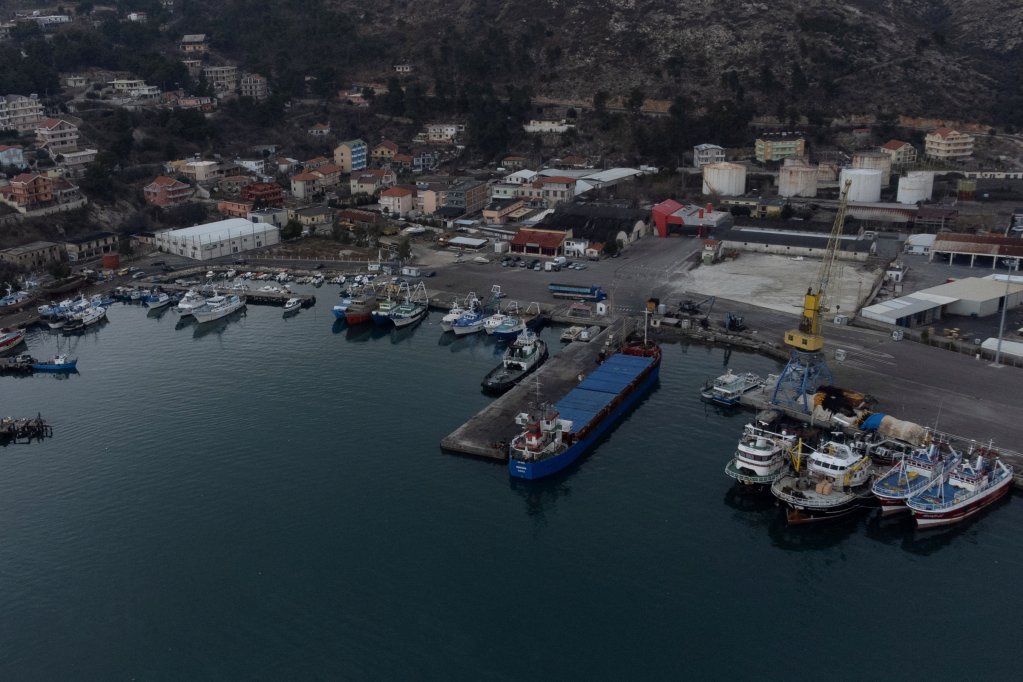
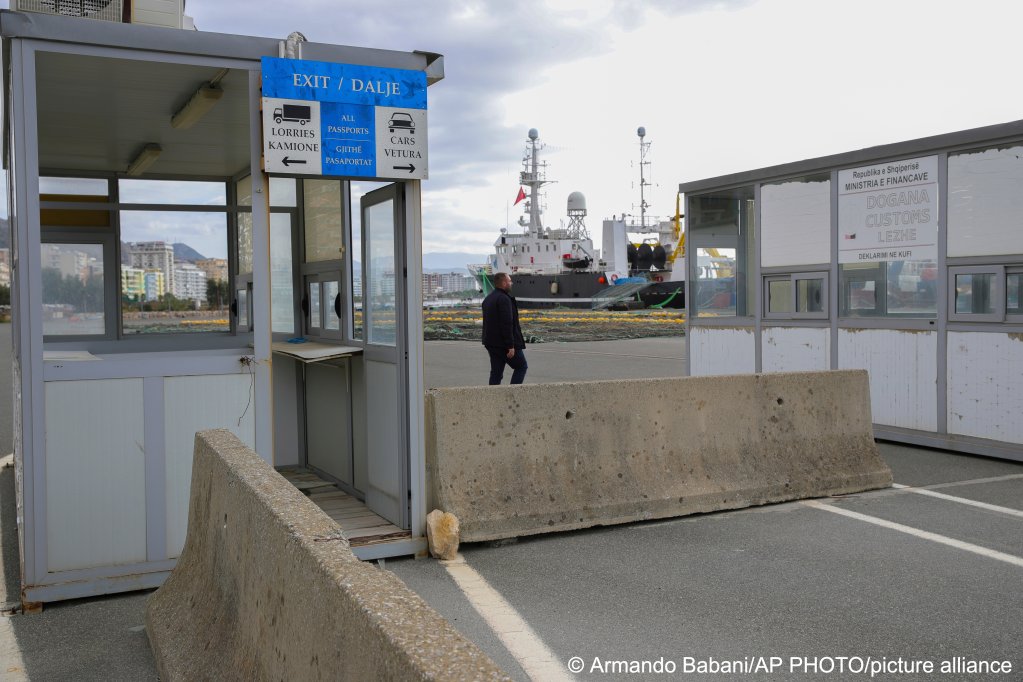
The ASGI published their findings in a report that highlighted significant concerns about the readiness and suitability of the two facilities. According to ASGI, the first site located in Shengjin, a touristic coastal town in northwestern Albania, appeared to be close to completion.
The second site, located in the Gjader site, which is a former military airport, reportedly only had prefabricated buildings, which seemed more suited for staff offices. The state and progress of construction made it unlikely that the center would be fully operational by the target date.
ASGI also warned about vulnerable people being transferred to the sites given the outlined procedures of assessing the needs of people while at sea, immediately after they are rescued.
"it is practically impossible to carry out a screening with respect to the identification of all vulnerabilities at the same time as rescue at sea ... Despite knowing that asylum seekers with special needs should be brought to Italy, it is already assumed that it will be impossible to identify them before disembarking in Shengjin," ASGI wrote in the report.
Italian authorities have said that the centers would only house adult men with those identified as vulnerable such as women, children, the elderly, and the sick will remain in Italy. Families will also reportedly not be separated under this agreement.
However, Leo pointed out that public advisories on the management of the facilitates released in Italy indicated that there would be provisions for minors and pregnant people.
"The Italian government did not reply to our request to enter the facilities so we can not say for certain what the living conditions will be like, but the fact that many things regarding procedure and process are still unclear makes it very worrying," said Leo.
Also read: Migrant reception centers in Albania operational 'soon', Italy PM
Controversial deal
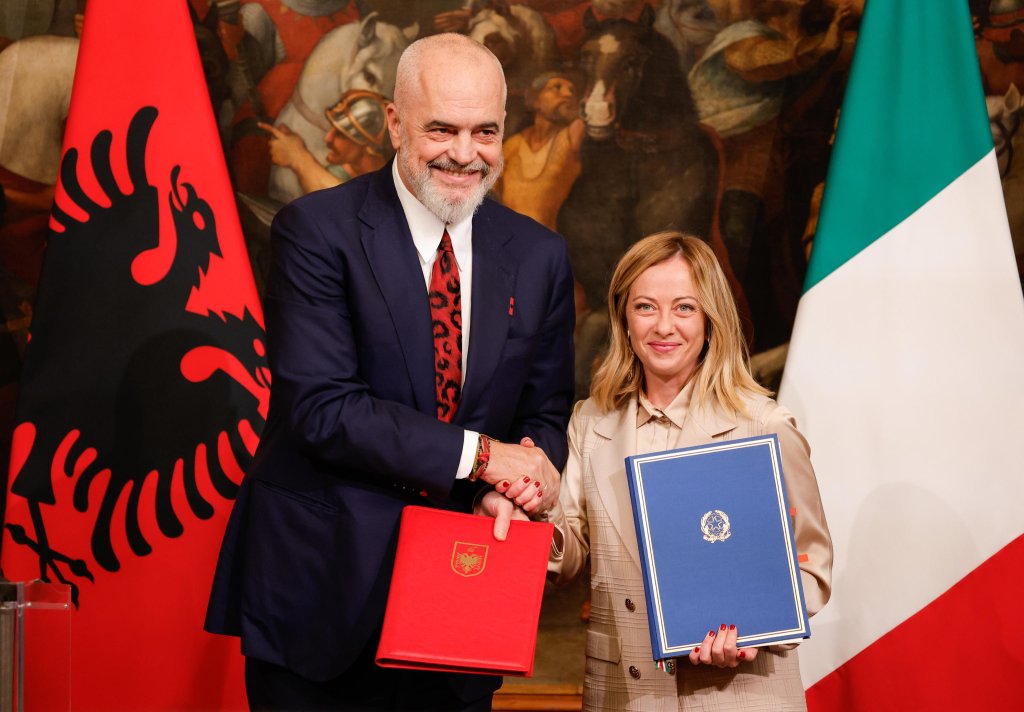
Last November Meloni and Albanian Prime Minister Edi Rama signed a controversial five-year deal that would allow for the transport of up to 3,000 people rescued by the Italian coast guard in international waters to be sent to Albania each month. Initial registration of the rescued individuals is said to take place on board the rescue ships before the people are transferred to Albania for the processing of their asylum claims.
The two centers in Albania come with a reported 670 million euro ($730 million) price tag over five years. Italy will run both centers while Albania will provide external security.
The Italy-Albania deal has sparked heated debates. In February, the Italian Episcopal Conference (CEI) slammed the deal as "a waste of money" used to conceal "the government's inability to deal" with the issue.
A top European Union official has endorsed an agreement that would see Albania host thousands of migrants picked up at sea and transferred there by the Italian authorities, just as the Albanian Constitutional Court delayed the deal so legal concerns can be addressed.
Meanwhile, European Commission President Ursula von der Leyen praised Italy for its migration strategy. "This serves as an example of out-of-the-box thinking, based on fair sharing of responsibilities with third countries in line with obligations under EU and international law," von der Leyen wrote, in a letter last November during a meeting among EU leaders in Brussels.
Also read: Italy-Albania accord 'waste of money', says CEI
Outsourcing asylum procedures
Europe is increasingly looking to other countries to take on the processing of asylum claims by housing people waiting for the decision of their application for international protection.
Before his administration suffered a massive loss to the Labour Party, former UK Prime Minister Rishi Sunak, had aggressively pushed for the implementation of the UK-Rwanda Deal. The highly contested plan would see Rwanda taking on the asylum applications of people deported from the UK.
Before the Rwanda deal was scrapped, the British government was reportedly considering striking similar deals with at least four other countries: Armenia, Ivory Coast, Costa Rica, and Botswana.
Italy, with its long coastline that stretches along the Mediterranean, has seen a disproportionate number of irregular arrivals on its shores. As a point of landing for many people arriving by boat, Meloni's right-wing government has been looking to manage migration into the country through deals with other countries.
In April, Italy's Meloni visited Tunisia where high-level discussions included trade deals, economic partnership, and the thorny issue of migration.
Meloni reportedly said that she was determined to not let Tunisia become "the arrival point for migrants coming from the rest of Africa." Meanwhile, Tunisia's President Kais Saied stressed that the country will not accept becoming a "processing center for the EU."
Also read: Rwanda unscathed in failed UK migration deal