
Late on Tuesday, the Spanish parliament voted to consider a bill proposing to grant residency to hundreds of thousands of undocumented migrants. The bill was brought by citizens and human rights groups.
On Tuesday (April 9), lawmakers in the Spanish parliament voted overwhelmingly 310-33 to consider a bill proposing to grant residency to undocumented migrants who arrived in Spain before November 1, 2021. The bill comes amid reports about an increase in migrant arrivals to Spain since the beginning of the year.
The bill proposal was brought to the parliament after a campaign group called Regularizacion Ya ("Regularization Now"). According to the group, they gathered more than 700,000 signatures from Spanish citizens and secured support from approximately 900 organizations, including migrant rights groups and Catholic associations, reported the news agency Associated Press (AP).
The group posted the results of the vote on its X page (formerly known as Twitter), thanking all those who had worked towards getting the bill before parliament.
When the results of the vote were announced, supporters of the movement outside the parliament celebrated, holding banners in support of the bill.
VOX party voted against the bill, but were defeated
Only the far-right and anti-migrant VOX party members voted against the bill. Legislation contained in the bill will now be considered by Spain's lower house of parliament and debated. During this process, amendments are expected before a final version would again be put before members of parliament for a final vote.
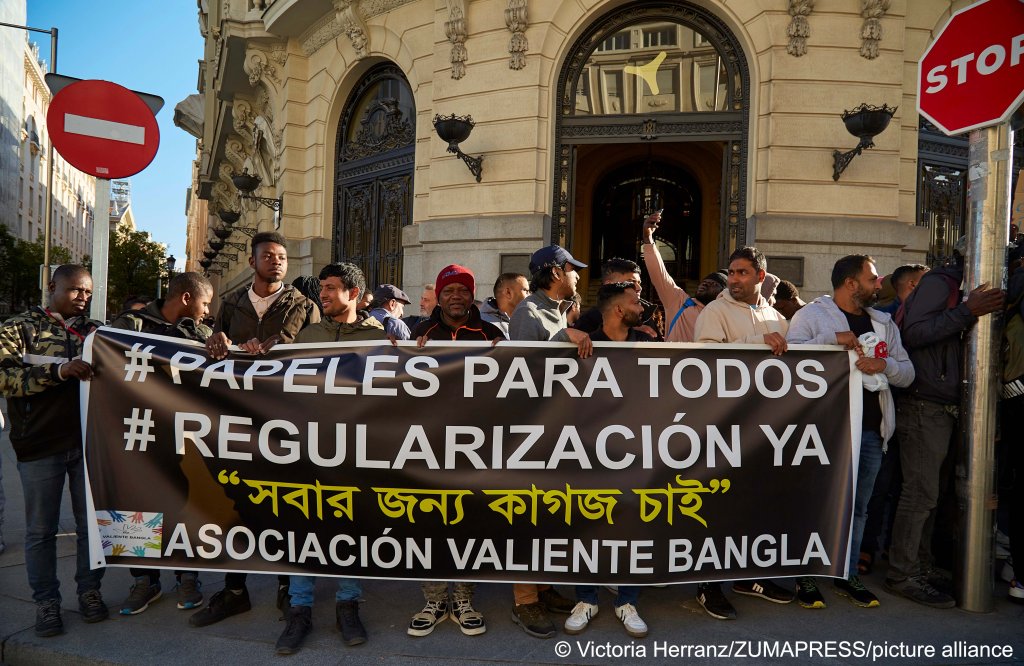
However, if voted through, the bill would allow hundreds of thousands of migrants, many of whom originally come from Latin American and African countries, the right to live and work in Spain legally. It would allow them to pay taxes on work they do, make social security contributions, have access to healthcare, education and other public services. All of those things are much more difficult to access for those without any documentation or legal right to remain in Spain.
Also read: Spain's struggling fishing industry relies on immigrant workers
The campaign group behind the bill estimates that between 390,000 and 470,000 undocumented migrants currently reside in Spain. Many of them work in the underground economy but often fall prey to exploitation in low-paid jobs, such as working as fruit pickers, delivery drivers or caretakers, reports AP.
Current measures are 'slow and bureaucratic'
In the documents accompanying the bill, the organizers pointed out that: "The [current] criteria for access to residency are highly restrictive," and "the administrative procedure" to obtain the permit or its renewal "is slow, bureaucratic and has a high margin of discretion," cited the Swiss news portal Swiss.info.
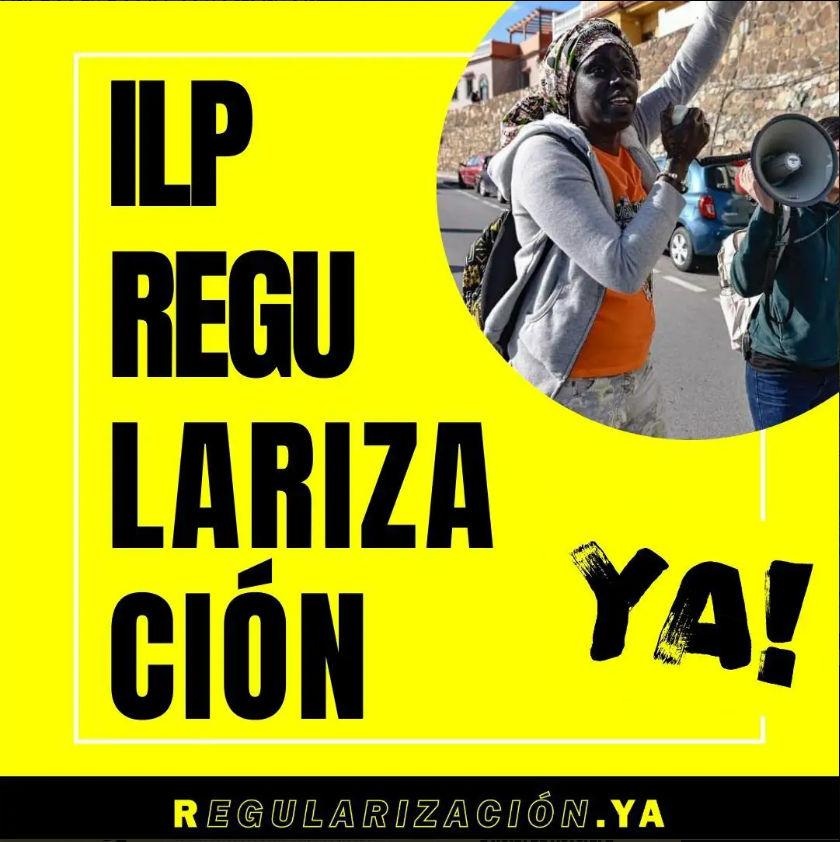
Campaigners underlined that it would benefit the state and the whole of Spanish society if workers fundamental to both the Spanish and European economy such as those in the agricultural sector harvesting fruits and vegetables were to not only receive equal rights but could contribute through their wage packets to the Spanish tax coffers.
'Golden visas' to be outlawed
As well as considering granting migrant workers without documentation equal rights, Spain’s parliament also announced this week that it would scrap the practice of "golden visas," which allow those with money outside the EU to potentially buy their way into EU residency permits, on the condition that they invest more than half a million euros in real estate in the country.
The controversial practice has been deployed in several European countries, particularly some of the so-called "frontline" southern Mediterranean EU states like Malta and Cyprus which often hold quite strict anti-migration policies towards those with much less money.
This is not the first time that a European country has considered a mass-regularization. Italy regularly issues "amnesties" which involve regularizing undocumented persons or those whose permits have expired. In 2000, Spain too regularized almost 137,000 undocumented migrants before once again tightening the conditions by which it issued residence permits, reports Swiss-info.
Training and work 'useful tools' for integration
In 2005, a Socialist government in Spain, led by José Luis Rodriguez Zapatero, regularized around 580,000 migrants in what it termed an "exceptional" process, reported Swiss.Info. This initiative, however, faced extensive criticism throughout Europe.
Although many migrants arrive in Spain intending to work there, the country is also a transit point for migrants from Francophone West and North African countries. These migrants often cross either the Atlantic towards the Spanish Canary Islands, or the Mediterranean towards mainland Spain. Some migrants who already speak French aim to reach France via Spain where they hope to more easily find jobs, and perhaps family and friends who will provide a network towards work and integration.
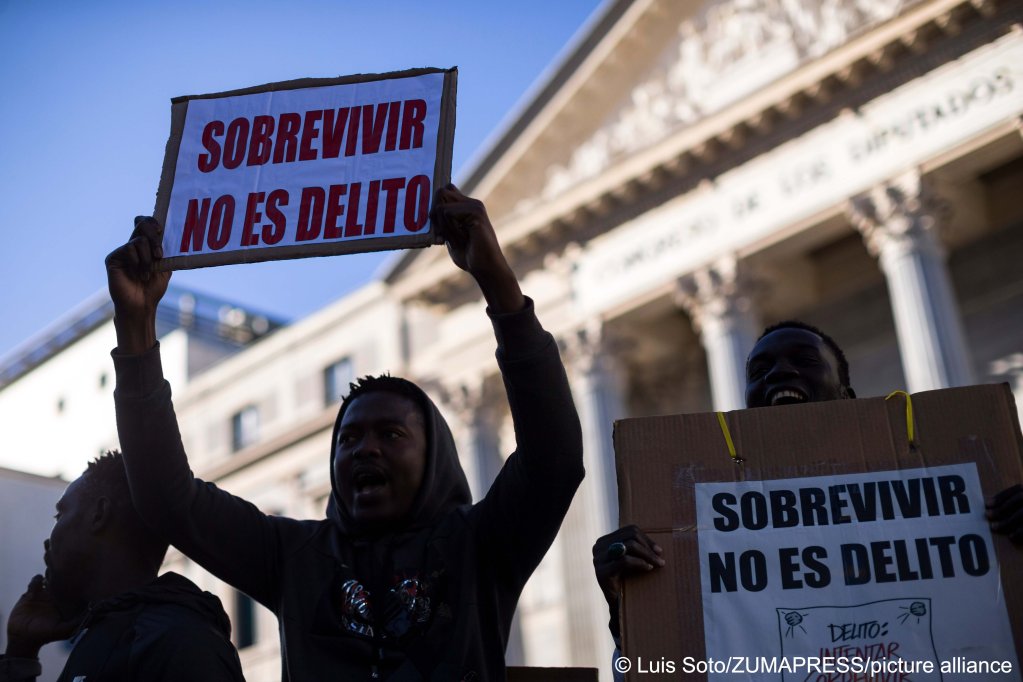
Back in 2022, organizations, including Volunteers for another World (Volantarios por otro mundo) demonstrated how providing training and work placements for undocumented migrants was the "best tool for integration," reported the French newspaper Le Monde at the time.
The law then regularized many undocumented migrants who had been in Spain for two years at that point and offered them the chance to obtain a one-year residence permit, extendable by a further two years, on condition that they sign up for professional training.
On completion of the training courses, participants would then receive a work permit if they could demonstrate they had found a job that was paying at least the minimum wage.
Forthcoming debates and amendments
The Catalan newspaper El Nacional.cat reported that the Junts MP Josep Maria Cervera guaranteed his party's votes in favor of the initiative. The Junts party is a Catalan party (Junts per Catalunya) "Together for Catalonia" and has leant support to the current socialist-led coalition.
Cervera declared his party would vote for the bill because "we are talking about people and human rights, because we need to find ways to solve the current situation and because during the next legislative steps we will be able to make the contributions we consider, and because we are the ones most tired of claiming that parliaments must be able to talk about everything."
Another MP, Jordi Salvador from the ERC party (Die Esquerra Republicana de Catalunya – Republican Left of Catalonia) likened being undocumented to "a form of modern slavery," reported El Nacional.cat.

"If we are consistent with the human rights we claim to defend, we cannot allow thousands of people to live in the most serious precariousness and vulnerability due to their irregular administrative situation" said Salvador.
Salvador added that he thought that if the legislation was passed, it would help to increase social security contributions and "boost legal economic activity."
The Socialist party PSOE also expressed support for the bill but cautioned that debates and amendments would be needed.

PP warns against providing incentives for future migration
The conservative PP party (Partido Popular – People’s Party) warned against such bills acting as an incentive to migrate to Spain.
As reported by El Nacional.cat, Sofia Acedo from the PP said in parliament: "It would not be responsible or positive to send the message that irregular routes of arrival in Spain end up being approved through extraordinary regularization procedures."
Side by side with the upcoming debates on the bill, Acedo from the PP called for a strengthening of border controls and more technical and human resources in the foreigners' offices to deal with applicants wishing to apply for residency or asylum in Spain.