
Health clinics in Denmark are addressing healthcare discrimination experienced by migrants by centering on migrants' experiences.
Specialized clinics in Denmark are addressing healthcare discrimination in order to improve care for migrants who often face neglect in the public health system, reported the French news agency Agence France Presse today (February 16).
Medical discrimination can result in patients not getting the care they need. "When faced with people who don't look like you and who express their symptoms differently than you're used to, the doctor decides there's nothing wrong," Morten Sodemann, Professor and Chief Physician at the Migrant Health Clinic, one of three immigrant-focused healthcare centers in Denmark told AFP.
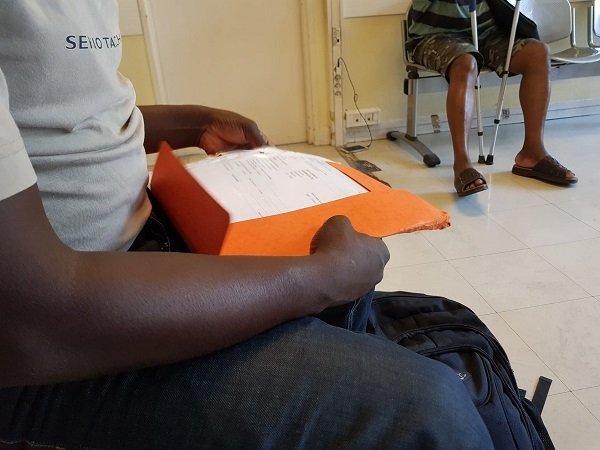
Sodemann's clinic at the Odense University Hospital offers extended consultations that run for about an hour and caters to patients with a "foreign-sounding name" and a "medical problem that nobody has managed to resolve". The clinic has treated around 250 patients per year since it opened more than a decade ago.
Ali Hod Roj, a patient at Sodemann's clinic, was sent to one specialist after another after a workplace accident. Roj who is in his 50s and originally from Lebanon never attended school. "Three years, lots of different doctors who couldn't help me. Here, they listen to me and we're starting to find a solution," Roj told AFP.
According to the Danish Institute for Human Rights, 84% of ethnic minorities face discrimination or prejudice based on appearance.
Tragic incident
Sodemann established his clinic in response to a tragic incident where a woman from East Africa died after moving to Denmark from Tanzania to be with her husband. The woman had complained of exhaustion and was told she was suffering from "culture shock" which is also labeled as "ethnic pain" or "cultural symptoms".
The woman was hospitalized and died a few weeks later. She was in fact HIV positive and had tuberculosis, it was later found.
Denmark has a comprehensive, socialized healthcare system that is ranked as one of the best in the world. Universal free health care is predominantly financed through income tax. However, despite Denmark's healthcare system prioritizing equal access, immigrants face discrimination.
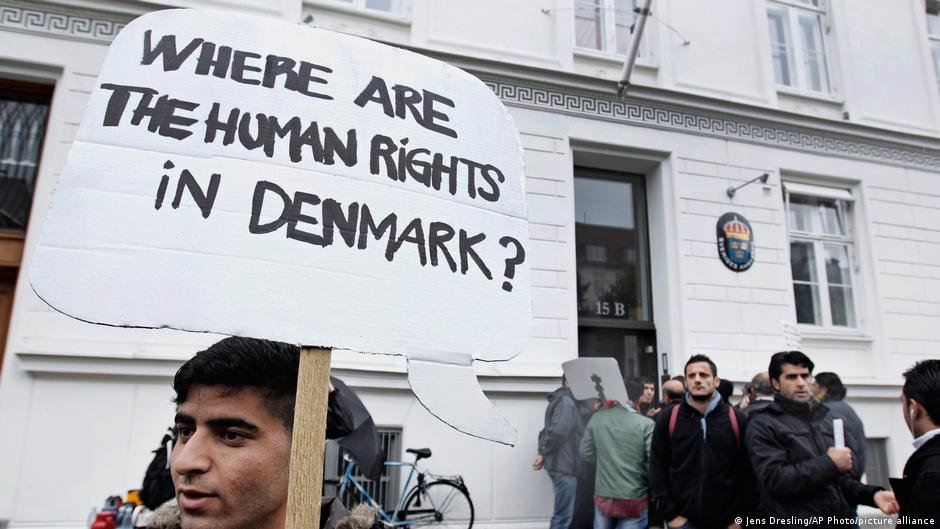
Michala Bendixen of Refugees Welcome described the Danish healthcare system as not designed for different cultures, which leads to inequalities.
The system "emphasizes individual responsibility", saying "You're responsible for your health, you have to participate in the process," Bendixen said.
"Those who are born outside Denmark don't want to ask for anything, because the Danish healthcare system is good compared to the one they've left behind," she added.
Doctor and immigrant patient relationships
A 2022 study in the Journal of Migration and Health highlights the significance of a "coproduced patient-doctor relationship" in providing healthcare to migrants. This collaborative approach emphasizes respectful communication, openness, and active listening to address inequities commonly faced by migrants such as language barriers and being unfamiliar with a foreign healthcare system.
The study emphasizes that "coproduction" is defined as a patient-doctor partnership rooted in trust and displaying open communication within a safe environment. The collaborative approach involves sharing care decisions such as assessing health status and planning treatment that is aligned with patient goals.
The health professionals cited in the study said that allocating time as an aspect of care is crucial to patiently and persistently trying to understand not only a patient’s health situation but also their life story.