
The UK Home Secretary is launching an inquiry into the validity of migrant and asylum seeker conversions to Christianity in Britain. The probe follows questions raised over whether the conversions provide a faster track to asylum.
Abdul Ezedi, an Afghan refugee, is currently the subject of a large manhunt in Britain. Ezedi is suspected of having thrown a corrosive substance at a woman and her two children in south London on January 31.
Ezedi has been missing ever since, and the woman remains sedated in an intensive care unit. This week, it emerged that the suspect and the victim had been in a relationship "which had broken down," confirmed police. They met in Yazidi’s car before the attack. The relationship and its breakdown, speculate police, "may have been a motive for the attack."
Since the attack, the Metropolitan police have issued numerous appeals, calling on the public, as well as members of the Afghan community in Britain, to come forward if they have any information on his whereabouts. They have offered a £20,000 reward for credible information leading to his arrest.
'Call the hotline'
As more details about the suspect have emerged in the 10 days since the attack, it has been reported that Ezedi applied for asylum in the UK twice before finally being accepted on his third attempt.
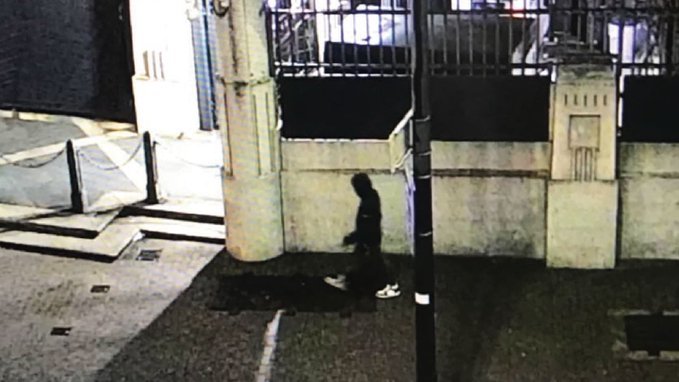
According to reports, Ezedi converted to Christianity before being accepted as an asylum seeker. His case has raised broader questions about the validity of asylum seekers converting to Christianity, leading some commentators and politicians to question whether these conversions are just a way to fast-track asylum claims.
Converting to Christianity can incur the death penalty in some countries
In many Muslim countries, it is regarded as a grave offense to convert from Islam to Christianity. Christians within some Muslim-majority countries are also persecuted, and in some countries, like Iran and Saudi Arabia, converting to Christianity -- or apostasy, as it is also known -- can even incur a death penalty, although instances of this are reportedly rare.
Also read: A question of faith, atheism as grounds for asylum?
Despite that rarity, it could be argued under international law that the deportation of a Christian convert back to a country like Iran or Saudi Arabia could legitimately put that person in danger, and therefore would be difficult to justify.
According to reports in the British media, including The Guardian newspaper, Ezedi arrived in the UK in 2016 hidden in a lorry. Two years later, he was reportedly convicted of two sexual offenses, but he was allowed to stay in the UK because the crimes committed were "not serious enough for deportation," the newspaper reported.
In 2020, he was granted asylum after a retired Baptist church minister confirmed to a judge that Ezedi had converted to Christianity. The retired minister reportedly described Ezedi as "wholly committed" to his new religion, wrote The Guardian.
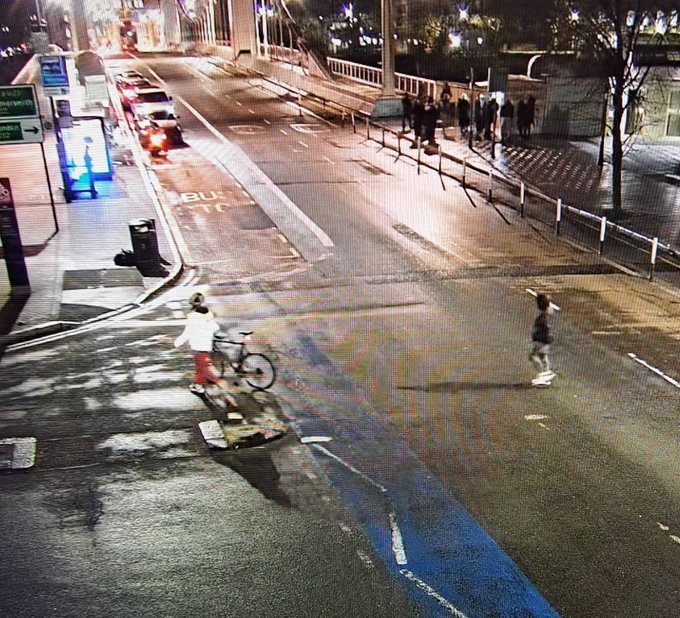
On February 7, a Baptist church in Newcastle-upon-Tyne, located in northern England and one of the places Ezedi is thought to have resided in the UK, said they had a "connection" to Ezedi, reported The Guardian.
At least 40 people on board Bibby Stockholm attending church
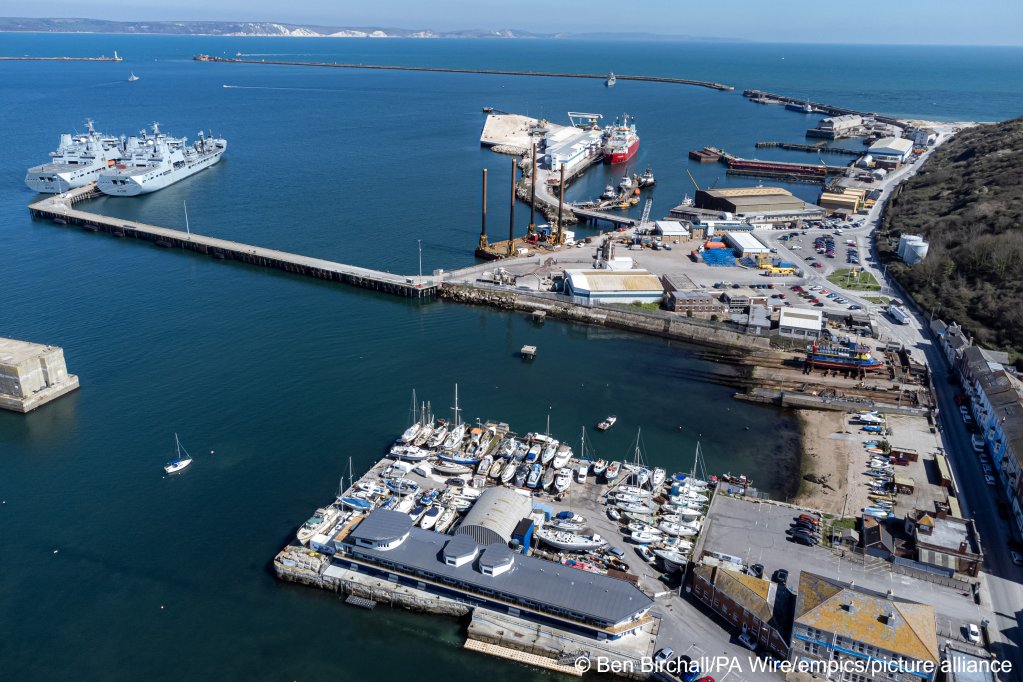
Another Baptist church located in the south of the UK has also been in the news this week. The British government has launched a probe into the conversions of asylum seekers after the BBC reported that at least 40 migrants on board the Bibby Stockholm barge have converted or are in the process of conversion and take part in local church services.
Also read: Are baptisms being used to prevent refugee deportations?
A statement on the church’s website confirms this reporting. The church statement, posted on February 6, says that "since October 2023 we have welcomed asylum seekers from the Bibby Stockholm barge which is moored in Portland."
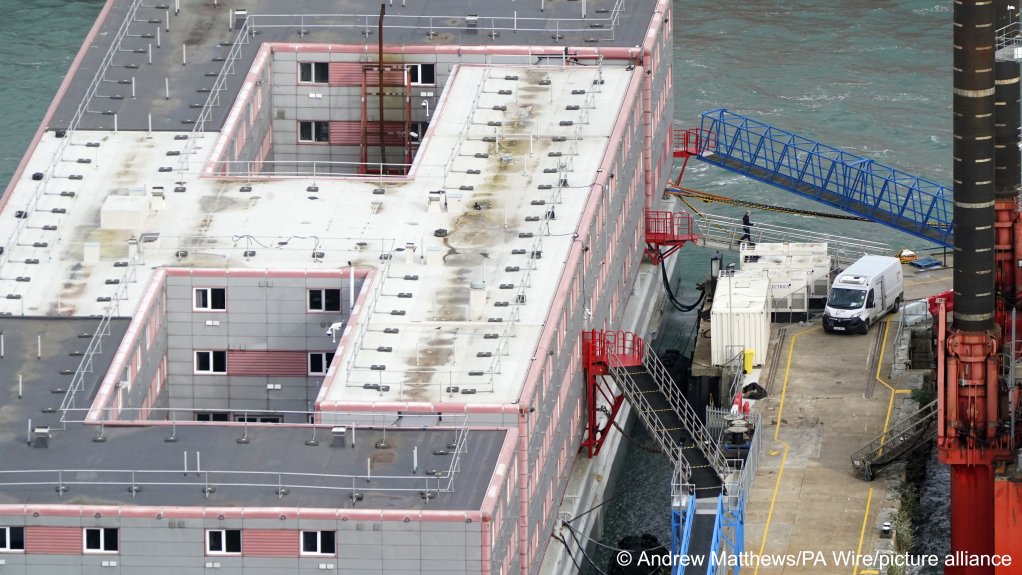
The statement says the church works "collaboratively with other local churches in a range of activities, including ministry to men from the Bibby Stockholm." The statement continues that "currently approximately 40 asylum seekers regularly attend services in one church or another, with an average of 25-30 coming to our Sunday services."
The church says that some of the men use "translation apps on their mobile phones to help their participation." They add that some of the men "also attend a weekly inter-church Bible study in Farsi" noting that most of the current group of attendees come originally from Iran. The Bible study sessions are "led by a British person who speaks the language [Farsi] and knows their culture," according to the statement.
Are British taxpayers 'being scammed'?
On Wednesday, Conservative MP Tim Loughton asked the British Prime Minister whether he thought that British taxpayers could be "being scammed" given that although "the number of baptisms in the Church of England has fallen from 140,000 a year to 87,000, […] one in seven occupants on board the Bibby Stockholm has suddenly become a practicing Christian."
The Bibby Stockholm is currently reported to have about 300 asylum seekers on board. It has a capacity of about 500.
Also read: German churches sees rise in baptisms of refugees
Loughton went on to point out that the Church of England, led by the Archbishop of Canterbury, had reportedly "issued secret guidance to clergy supporting asylum applications for these Damascene conversions." Loughton asked "to whom is the Church accountable?"
The Prime Minister Rishi Sunak, answered: "My right honorable friend the Home Secretary has asked for more information about the extent to which migrants converting to Christianity is playing a role in our asylum system."
Archbishop of Canterbury 'disappointed' at attack on Church
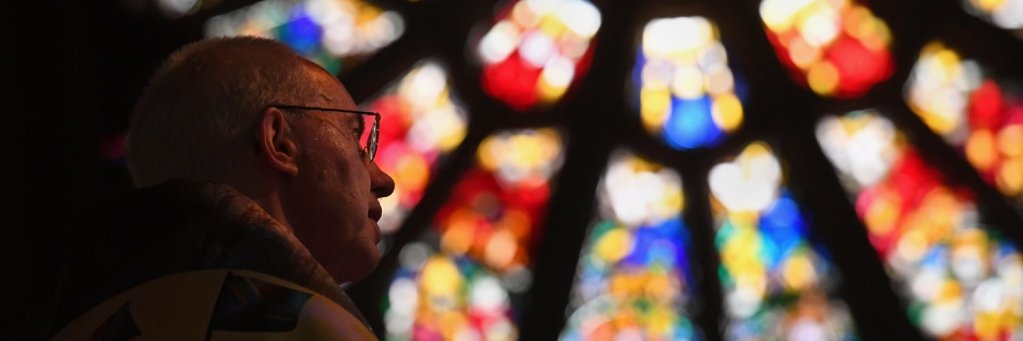
The Archbishop of Canterbury also issued a statement on the subject this week. In a post on X, Justin Welby – the Archbishop of Canterbury -- said he was "disappointed" with the attack on the church over asylum seeker conversions. Welby added that there had been an "unrelenting mischaracterization" of the Church in discussions about asylum seekers converting to Christianity.
Welby went on to state: "For refugees and those seeking asylum, we simply follow the teaching of the Bible which is to care for the stranger. It is the job of the Government to protect our borders and of the courts to judge asylum cases."
Also read: Christian refugee converts in Germany face violent attacks
According to Welby, "the Church is called to love mercy and do justice." He added, "let us not forget that at the heart of this conversation are vulnerable people whose lives are precious in the sight of God."
Baptist Church claims it is not 'naive or complicit in disingenuous claims'
This week Loughton has been urging church leaders to develop more guidance on how to evaluate the legitimacy of a conversion claim, reported the website Christian News. Last week, former Home Secretary and fellow Conservative MP Suella Braverman reportedly claims she had become aware of churches "facilitating industrial-scale bogus asylum claims," added Christian News.
This, say many Church leaders, including the Weymouth Baptist Church statement, is not true. According to Weymouth Baptist Church, "The Gospel has a concern for compassion, justice and welcoming the stranger, but this does not equate to naivety nor complicity in disingenuous asylum claims."
According to the Church, "such claims harm those whose claim is real." They state that "nearly all the men with whom we have contact became Christians in their native countries, all of which are known to be hostile to the Christian faith."
Their baptisms in the UK came about because these asylum seekers would have had "no chance … of being baptized in their own countries. It would be too dangerous." They say some of the men got baptized at churches around the country, and "seven have been baptized since their arrival [on the Bibby Stockholm] in October."
'Act of baptism ... follows a course of preparation'
The Church adds that the "act of baptism is something that follows conversion and involves a course of preparation and usually a public testimony as to how they came to faith in Jesus Christ."
Many of these preparation courses available in the UK for anyone wishing to convert to Christianity have an eight-to-ten week structure. One of the most famous, the evangelical Alpha course, is ten weeks long.
Suella Braverman told the right-wing broadcaster GB News that she was worried the church was "effectively rubber stamp[ing] people who turn up to church and say they want to convert to Christianity."
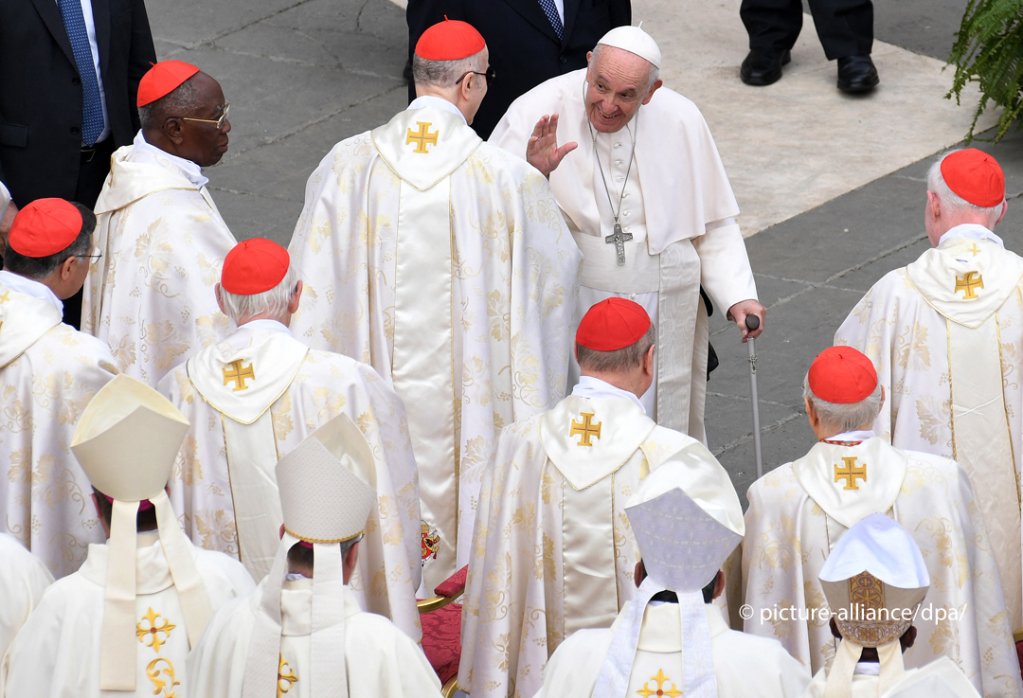
Braverman continued, reported the right-wing tabloid, The Daily Mail, that some of these people might be "traips[ing] through the church, getting their certificate of verification or their letter from the priest only to disappear and get asylum granted." She called this process, "a very, very sad state of affairs."
A Church elder at Weymouth Baptist Church, Dave Rees, told the BBC on Sunday (February 4) that his church had "no reason to doubt these asylum seekers." He underlined that because one of their leaders could speak Farsi, "the measures we put in place and the scrutiny we have" were sufficient to distinguish between genuine claims and any that might be false.