
Leaked documents accessed by migrant rights group Platform for International Cooperation on Undocumented Migrants (PICUM) indicate that a provision that would have protected migrant women from deportation when reporting abuse was omitted from the final version of a new EU draft directive addressing violence against women.
The draft directive, which lawmakers agreed to on Tuesday, aims to set minimum standards to address violence against women across EU member states.
However, the PICUM documents show it leaves out a personal data non-disclosure clause introduced in the first draft that would have effectively protected undocumented women from contact with immigration authorities when reporting abuse.
The removed provision ensured the non-disclosure of personal data, including residence status.
"Member States are more concerned with migration control than ensuring that all women get the support and protection they need, whatever their residence papers," Louise Bonneau, Advocacy Office (PICUM), told InfoMigrants.
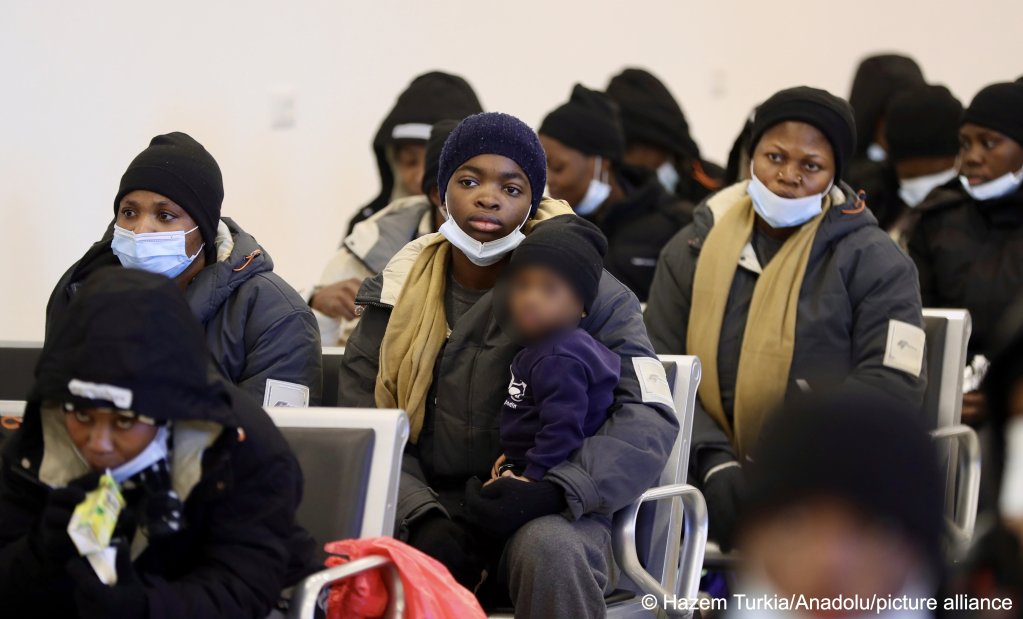
The proposed legislation aims to criminalize various offenses, such as female genital mutilation, forced marriage, non-consensual sharing of intimate images and cyberstalking, among others, across EU member states.
Compounded risks
PICUM highlighted that the alleged exclusion of migrant women in the directive exacerbates the compounded risks they face due to their immigration status.
“The lack of an independent residence status, a secure status -- or any status -- already puts women in situations of vulnerability, as they may not be able to access decent housing, fair work or specialized health care. On top of this, undocumented women have fewer opportunities to report abuse and seek protection and justice, since they may risk being detained and deported if they come forward,” said Bonneau.
Partners and employers may exploit the compounded vulnerability to perpetrate abuse.
“While abuse can happen in private spaces, what makes such abuse possible in the first place is the lack of clear safeguards for women who choose to report violence and seek protection and justice from the authorities,” Bonneau added.
PICUM highlighted that the current draft legislation contradicts the Istanbul Convention, which mandates equal treatment for all women, regardless of their residence status. Additionally, it conflicts with existing EU rules on victims' rights and data protection, which advocate for non-discriminatory safeguards.
Risks throughout their journey
According to figures from the European Commission, the distribution of first-time asylum applicants by sex shows that more men (70.8 %) than women (29.2 %) sought asylum in 2022.
Migrant women and children face risks of abuse, including rape and sexual violence, at every step of their journey to Europe, an InfoMigrants report revealed.
Diana Dimova, the head of Mission Wings in Bulgaria, told InfoMigrants that victims often fail to recognize or speak out against abuse due to fears of shame or compromising their safety, presenting a significant challenge.
Social services are frequently unwelcoming to refugees, and language barriers exacerbate difficulties in reporting and seeking assistance.
In many cases, perpetrators emerge from the same community, such as fellow migrants from their hometown or those belonging to the same ethnic group. In other cases, the perpetrator may be a spouse or family member.
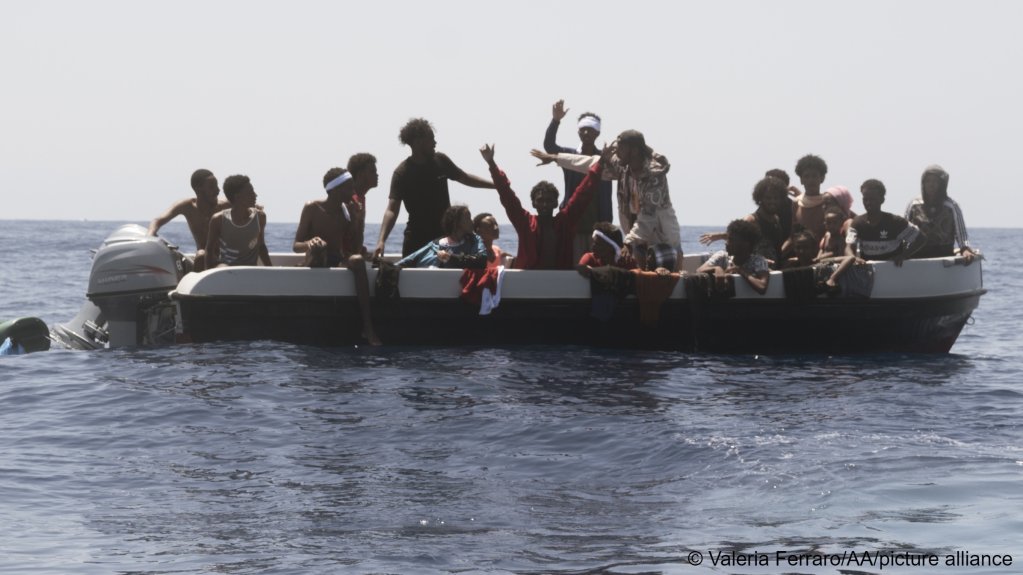
The draft legislation will have to be approved by the representatives of EU member states at the Council. The final law is also pending adoption in the Council and the European Parliament.