
Poland facilitated some 6,000 pushbacks in the 6 months between July 2023 and January 2024, according to government data published this week. The data was released in response to an information request from the left-wing opposition.
Pushbacks were made legal in Poland by the country’s previous government, the Law and Justice (PiS) party, in August 2021.
Although a new liberal coalition has been elected under Prime Minister Donald Tusk, the policy greenlighting pushbacks so far doesn’t appear to have been officially revoked.
More than 6,000 pushbacks occurred at the Polish-Belarus border between July 2023 and January 2024, according to reporting published by English-language news service Notes from Poland (NFP) yesterday (February 7).
Although it is considered 'legal' under national law, Poland's pushback policy contravenes European and international human rights conventions and has been widely criticized by human rights organizations both in Poland and internationally.
NGOs call on new government to revoke pushback policy
On January 11, a group of more than 100 NGOs and hundreds of public figures called on Poland’s new Prime Minister Donald Tusk to revoke the policy.
According to interviews InfoMigrants conducted with Bartek Rumienczyk, a spokesperson for the Grupa Granica (Border Group -- a collective working with migrants, asylum seekers and refugees in Poland) at the end of January, there has been little evidence of any political will to change the policy.
"The new government has indicated they will continue that policy," says Rumienczyk. "The policy of the new government is to seal the border and make it as secure as possible ... The government claimed that none of those pushed back at the border had sought to claim asylum."
Also read: Hila's tale, 'if no one wants me, then I want myself'
That claim, says Rumienczyk, "is completely untrustworthy. We have a long and recorded history of cases when people were asking for asylum and still the border police were throwing them back to Belarus."
Border guard continues to publish numbers sent back to Belarus
In fact, since January, the Polish border guard continues to post the numbers of “foreigners” who have “crossed illegally” and been “sent back to Belarus" on their X feed.
The most recent post dates from yesterday (February 7), when the border guard wrote that “five people tried to illegally enter Poland. The incident took place in the PSGBialowieza [border with Belarus] area.”
On the previous day, according to the X feed, "one person attempted to illegally enter Poland" at the border but turned back when she saw a Polish agent.
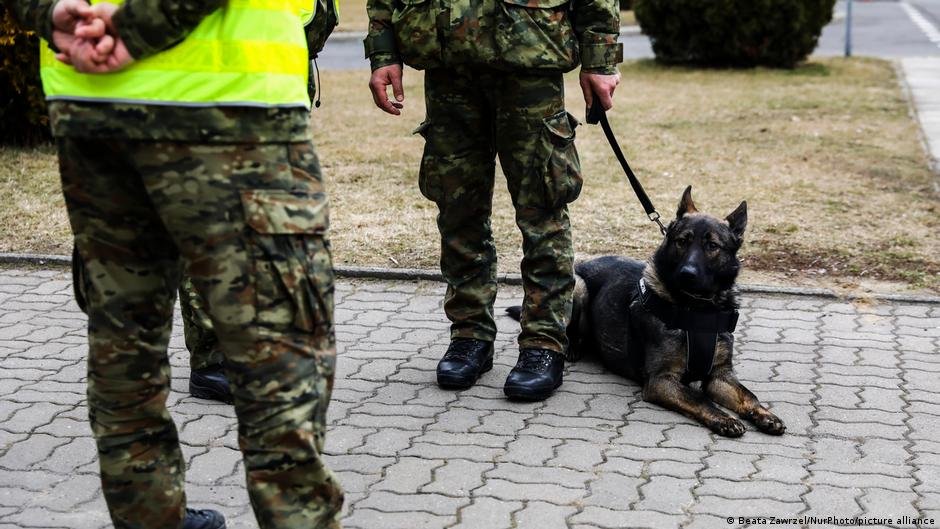
Despite the almost daily posts, often including the numbers of those sent back and sometimes their nationalities, NFP says the scale of the practice was "long difficult to gauge because between August 2021 and July 2023, the border guard didn’t keep records of the number of times it had sent back migrants who had irregularly crossed the border from Belarus."
Records of pushbacks began in July 2023
Pushbacks, reports NFP, "only began to be recorded as a separate category on July 5, 2023."
Rumienczyk from Grupa Granica estimates that around 100 of these took place under the new government between December 2023 and January 2024. Less people are traveling over the border due to the cold weather, which could explain the lower figure.
Deputy Minister of the Interior and Administration Maciej Duszczyk was keen to underline that under the new administration, the number of pushbacks had fallen sharply.
According to him, reported NFP, "81% fewer people [were] subject to decisions requiring them to leave the territory of Poland than in the same period a year earlier."
'The idea of humanitarian pushbacks is a fiction'
Duszczyk added that his government was busy working on a "more comprehensive border and migration policy," that would make human rights a "priority," while at the same time ensuring state security.
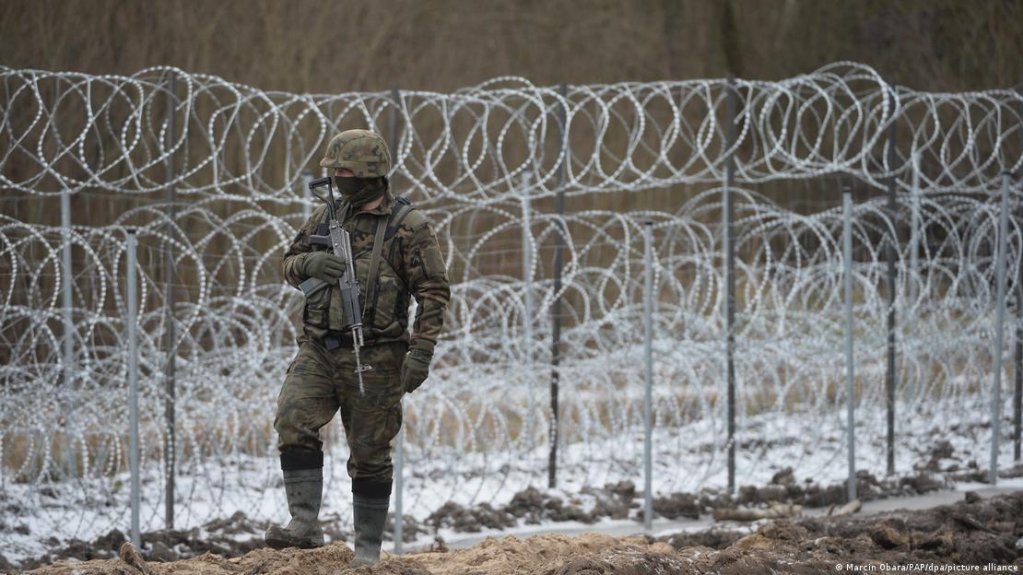
Part of these more humanitarian policies, Duszczyk told Poland’s Commissioner for Human Rights, would be the formulation of effective border protection operations that would allow for the “the assessment of the individual situation of each migrant who finds himself in Poland.”
He said the border guard, which is also headed by a new leader, is planning special "search and rescue groups ... aimed at preventing humanitarian crises" for those who cross the border.