
EU Commission head Ursula von der Leyen and Spain's Prime Minister Pedro Sánchez were in Mauritania on Thursday, to sign a series of EU migration deals. Mauritania is increasingly becoming a key transit land for migration to Europe. The European delegation pledged €210 million euros in funding.
The EU has pledged a total of €210 million in funding for Mauritania by the end of the year, to help combat what it termed "illegal migration" from the Sahel region, reported the German press agency dpa.
The details of the deal are yet to be finalized, but the EU delegation committed a further €40 million to help with the security situation in the region. EU Commission President Ursula von der Leyen commented on her X page about the visit, saying that the delegation was there to "step up the EU-Mauritania partnership."
Strengthening partnerships
Von der Leyen and Sánchez flew with their delegations to Mauritania, where they signed a series of deals with the West African country as part of the EU’s strategy on migration, on Thursday (February 8). In addition to the EU-wide deals, Spain and Mauritania also signed a series of biltateral agreements to strengthen cooperation and build resources in the green hydrogen sector, reported dpa.
The visit comes amid a stark rise in the number of migrants arriving on the Spanish Canary islands by boat -- more than 7,000 arrived in January alone this year.
According to officials, that figure is equivalent to the number that landed on the Canaries during the first six months of last year. Altogether, more than 55,000 migrants arrived by boat in Spain last year. Spain said its cooperation with various African countries prevented around 27,000 more from arriving.
"This visit is in line with our strategy to sign agreements with partners in the southern neighborhood," a European Commission spokesperson told journalists on Wednesday (February 7).
Strategic partnerships to manage migration
Mauritania is the latest African country to play host to European leaders seeking to create alliances to cut down on the number of migrants making their way to Europe.
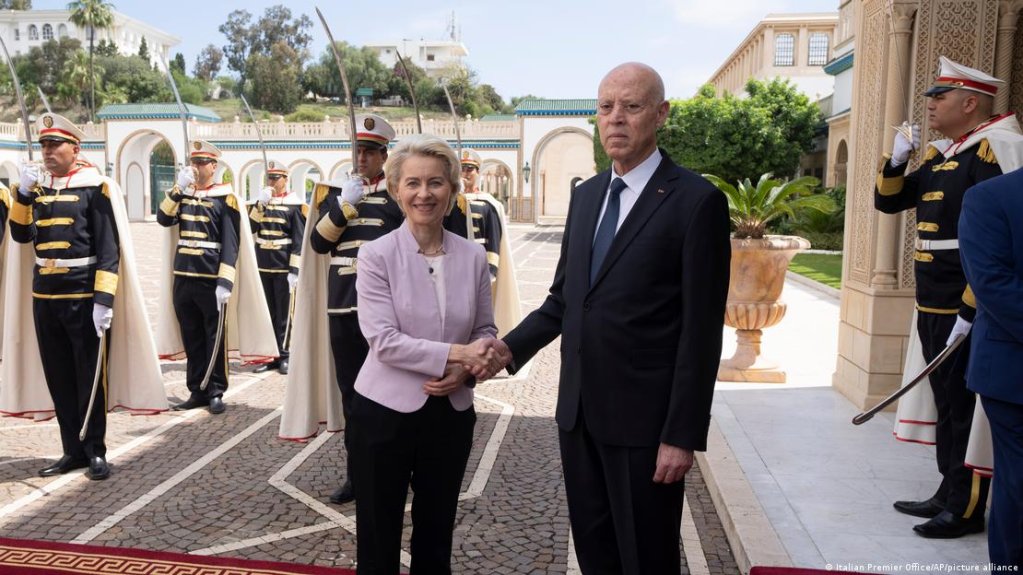
The EU has already forged partnerships with Senegal, Egypt, Tunisia and Morocco. Managing migration towards Europe is going to be a key theme in the EU’s forthcoming June elections.
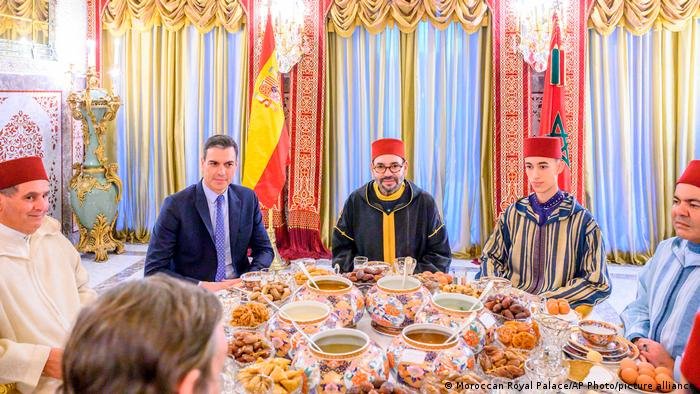
These deals with source countries are largely an EU attempt to enact faster and more effective return policies.
The head of EU border agency Frontex, Hans Leijtens, said in an interview with the news agency Reuters recently that it would be hard to stop migration altogether, which is why it is so much more important to manage it. Leijtens said, "we can’t cope with unmanaged migration to Europe."
"A credible return operation is very important to show both to the inhabitants of Europe, but also to the migrants. If you don’t need our protection … you will be returned," stated Leijtens.
Series of agreements, including those on aid and energy
The Spanish government posted numerous videos of the delegation's arrival and speeches on their X feed on February 8.
Along with seeking cooperation on the migration issue, EU leaders are looking to strengthen ties with African countries they worry are falling further under the influence of Russia and China.
The two countries have been increasing investment in many sub-Saharan African countries, funding huge infrastructure projects and, particularly in the case of Russia, military regimes.
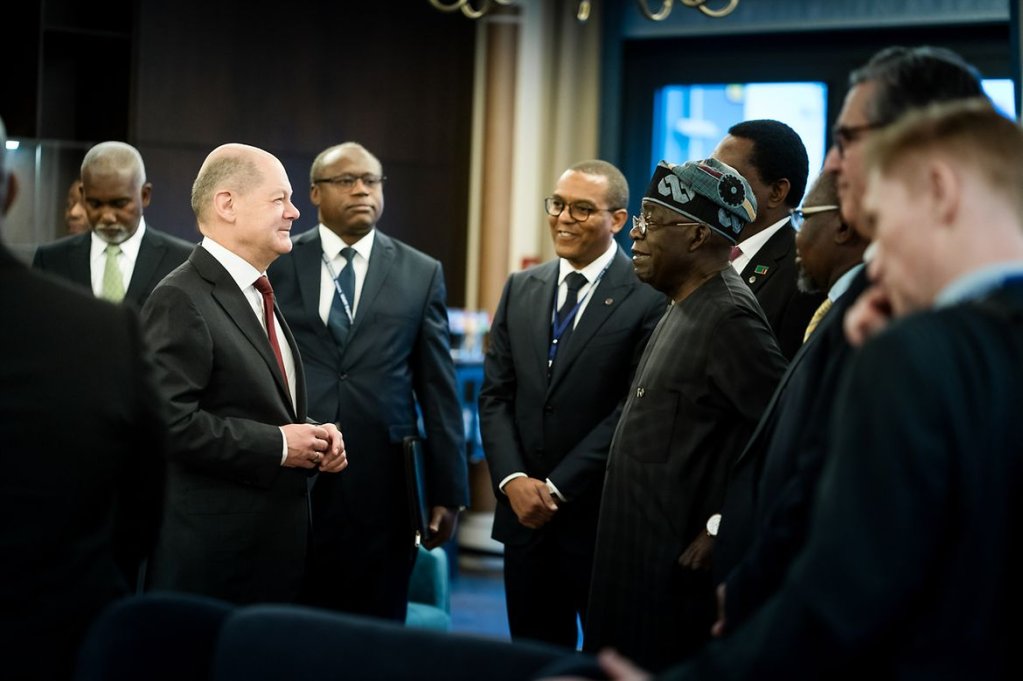
European former colonial powers like France, Britain and, to a lesser extent, Spain, have seen their influence and ties to their former colonies weaken in recent decades. In their wake, Chinese and Russian firms have made unrefusable offers to African governments often strapped for cash.
Europe wants to shift this balance. EU foreign policy chief Josep Borrell echoed this sentiment earlier this week at an informal meeting of EU foreign ministers in Brussels on Saturday (February 3).
"We have to rethink our approach to Africa to offer more cooperation, and to understand that the stability of the African states is part of our security," said Borrell.
The Mauritania-EU deals have been in the works since last autumn.
Arrivals in Spain
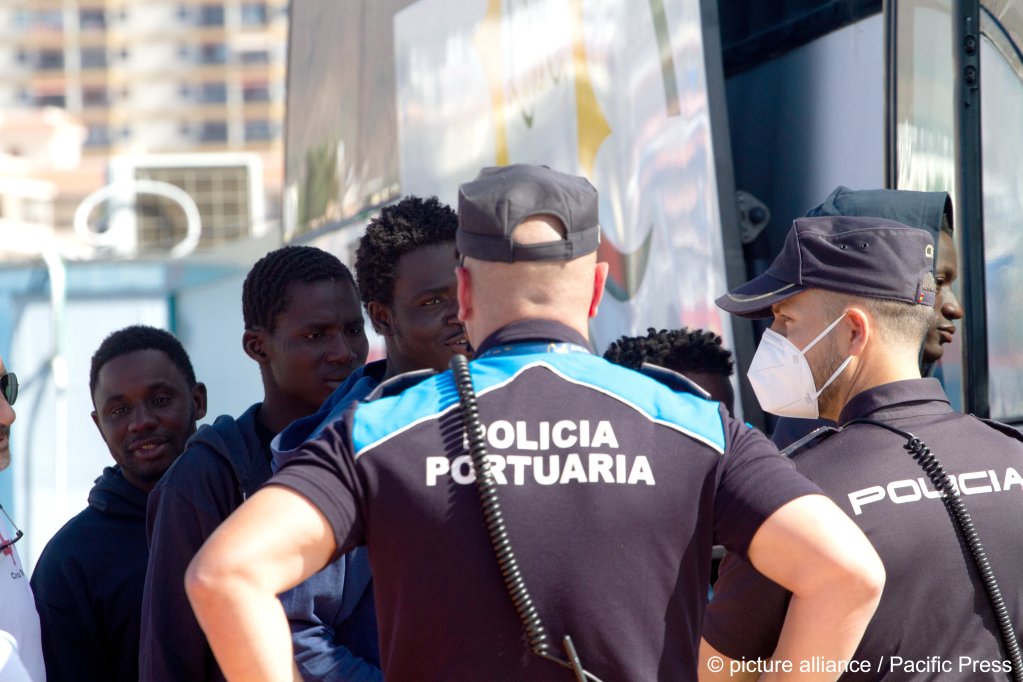
According to data from the Spanish government, the number of migrant arrivals to the Canary Islands in January increased significantly compared to figures from the same month last year. About 83% of the boats arriving on the Canary Islands departed from Mauritania, say Spanish officials, reported Reuters.
In fact, Spain has deployed police officers to monitor migration from Mauritania since 2006. That year, a significant number of arrivals landed in Spain from West Africa, prompting the government at the time to start putting some of its migration management investment into the countries of departure.
Now, although Spain does not plan to send more police officers, they do want to help the Mauritanian authorities strengthen their own border security.
Widespread poverty is a reality for the majority of the five million people living in Mauritania. The country's population also includes a number of refugees from neighboring Mali, who fled after security unrest and fighting there.
A Spanish government source told Reuters that "security, humanitarian aid, migration programs and economic development was on the agenda for Thursday's talks."
Mauritania is a 'priority area for Spain'
Spanish Foreign Minister José Manuel Albares said Africa's Sahel region, of which Mauritania is a part, is a "priority area for Spain," reported dpa. The Spanish government wants to make sure the EU’s presence is maintained in the region.
The Spanish government has renewed its support for ECOWAS (the Economic Community of West African States) and stressed its support for democracy in partner countries like Mauritania and Senegal.
With Reuters, dpa, AFP
**This article was updated on February 9 to include the amount of funding the EU delegation has pledged to Mauritania.