
The Slovenian government has announced it will set up temporary facilities to process migrants crossing its borders from Croatia.
On Thursday (January 18), the Slovenian government, citing an increase in the number of people attempting to enter from neighboring Croatia, said it would set up temporary handling facilities on the border, reported the news agency Associated Press (AP).
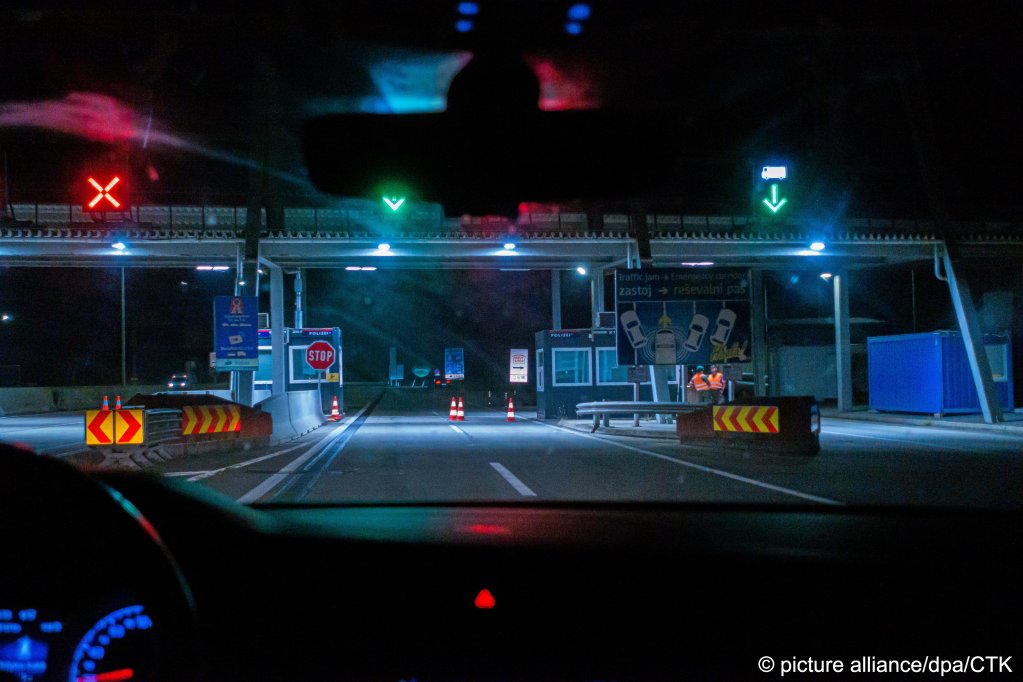
The state-owned news agency STA reported that Slovenian authorities intend to erect a fence, along with two accommodation containers, tents and sanitary facilities at the border crossing at Obrezje.
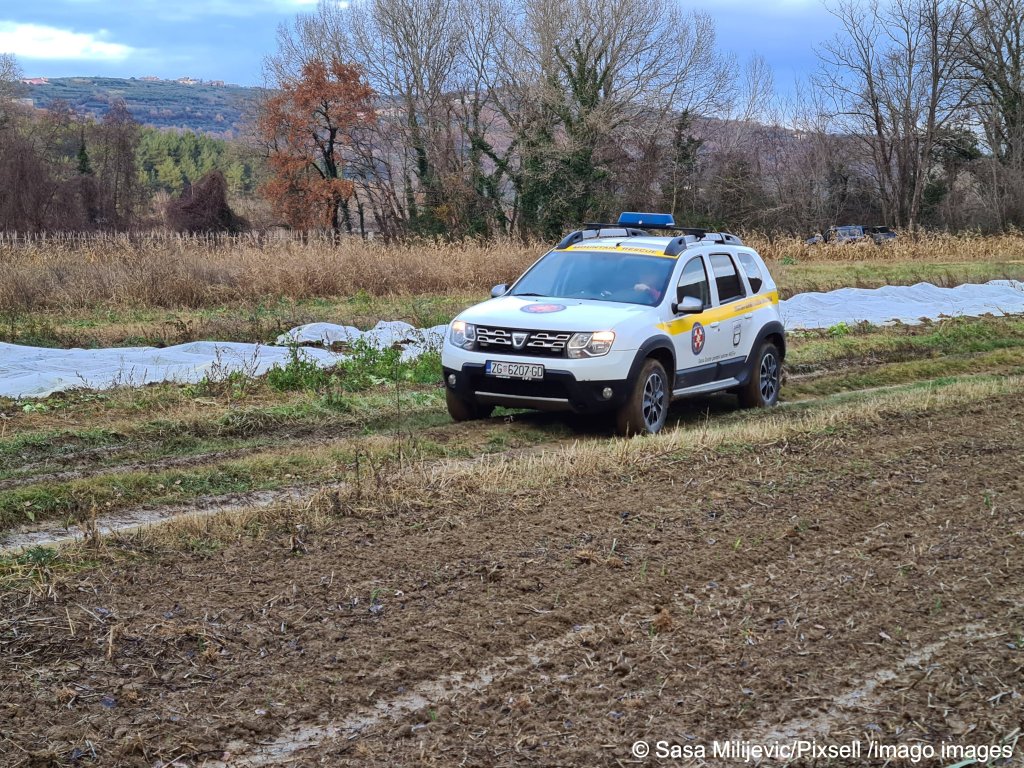
The Slovenian authorities say that migrants from the Middle East, Asia and Africa have been attempting to cross into the country from Croatia. When Croatia joined Schengen at the beginning of January, 2023, the border control post and barbed wire fencing were initially removed, but since then, various border controls have returned.
The Slovenian government says that the temporary facilities for migrants are needed, reports AP, because local police stations in the area lack the capacity to deal with the increase in arrival of migrants. The temporary arrangements are not expected to last longer than three years.
Extended controls
Today, Slovenia and Croatia are both EU members and part of the Schengen zone. But on October 21, 2023, Slovenia, along with several of its neighbors, announced that it would temporarily add more border controls with Croatia because of a growing number of migrants arriving and a perceived heightened threat level.

Slovenia extended these temporary controls on December 18 for a further six months. According to the Slovenian government website, the new controls will remain in force until at least June 22, 2024. The government said that it had noted "a growing scale of organized crime in the Western Balkans," as well as "potential threats to the security situation in Slovenia and the region, along with the factors that could cause an increase in radicalization of individuals and violent extremism."
It said there would be police controls at all crossing points and in order to cross the border, travelers would need a "valid travel document."
Slovenia cites security situation as main reason for border controls
The Slovenian authorities cite a "significant deterioration of the security situation in the Middle East and threats arising from the calls by terrorist organizations to carry out terrorist and other violent acts in the Western countries," as the main reason they extended the controls.
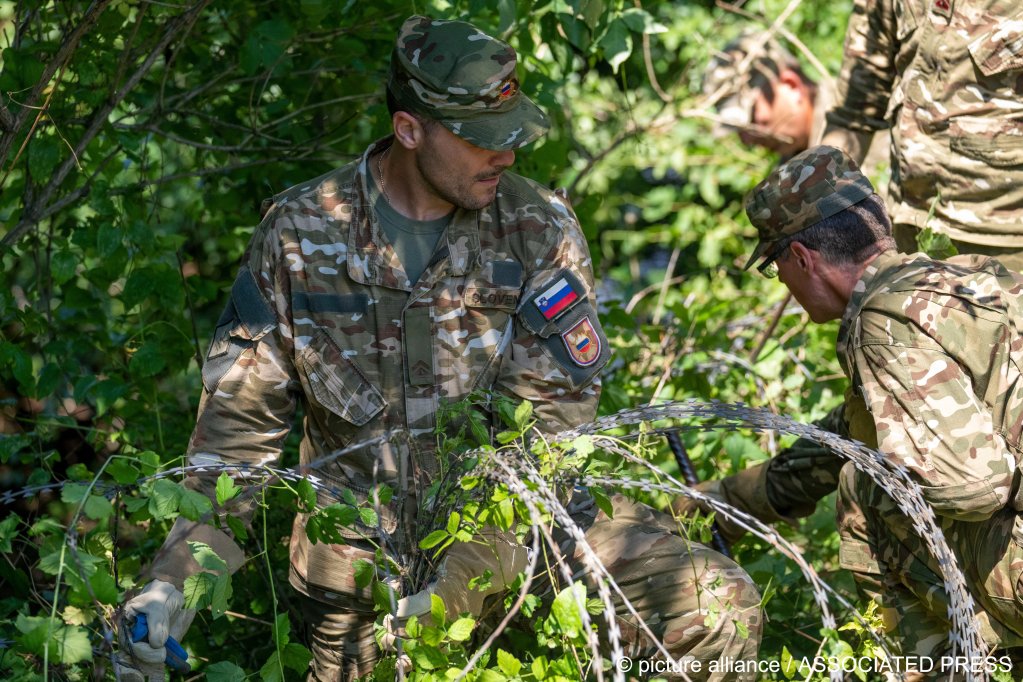
In a press release in December, the Slovenian government said that the terrorist threat in Slovenia remains elevated "at the third level out of five." It said that this high terrorist threat level was "additionally backed by the information that several persons, who arrived from third countries, had been detained by law enforcement authorities in the framework of counter-terrorist operations on the EU territory."
The government said that "in this context, migration flows may pose a security risk accompanied with other irregularities."
Onward journey
Most migrants don't intend to stay in Slovenia. The majority who cross successfully into the country continue on to Italy and then across the north of the country, from where they attempt to reach France via the Alps or the Mediterranean coast. Controls were also stepped up on the Slovenian-Italian border in the second half of 2023.
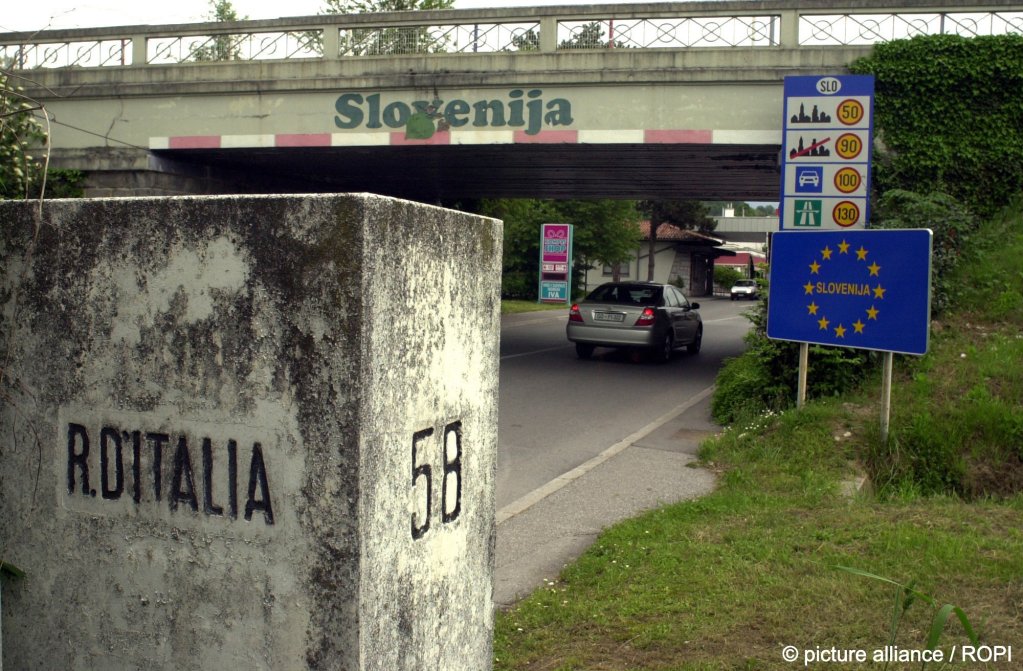
From there, explained a Moroccan cultural mediator working in Oulx, Italy, French-speaking migrants from countries like Tunisia and Morocco often want to stay in France, or travel on to Spain where they hope to find work.
The border between France and Spain and between France and Germany, another destination of choice for some migrants taking the southern Balkan route through Croatia, Slovenia and Italy, is less tightly controlled, and most migrants, having reached France, report few difficulties on the journey. For those hoping to make it to the UK, there are further obstacles in Calais. Extensive police controls and the high price charged by smugglers to cross the Channel mean that many spend months, even years, waiting on the French coast.
North Africans favor Balkan route
Many migrants from North Africa opt for the Balkan route, for two reasons, the cultural mediator told InfoMigrants. The first is they fear drowning in the Mediterranean Sea, which has claimed the lives of more than 28,000 migrants in the past decade. The second reason is that everyone who transits through Italy – via the island of Lampedusa – has their fingerprints taken and recorded on the EU's asylum fingerprint database, EURODAC.
Those who succeed in crossing the Balkan route through Slovenia without being apprehended, however, are able to avoid being fingerprinted in Italy and therefore do not appear on official records as having entered the EU irregularly. This means that if they travel to another Member State, they are at less risk of being sent back to the country where they first entered the EU, namely Italy, to have their asylum claim assessed under the so-called Dublin Regulation.
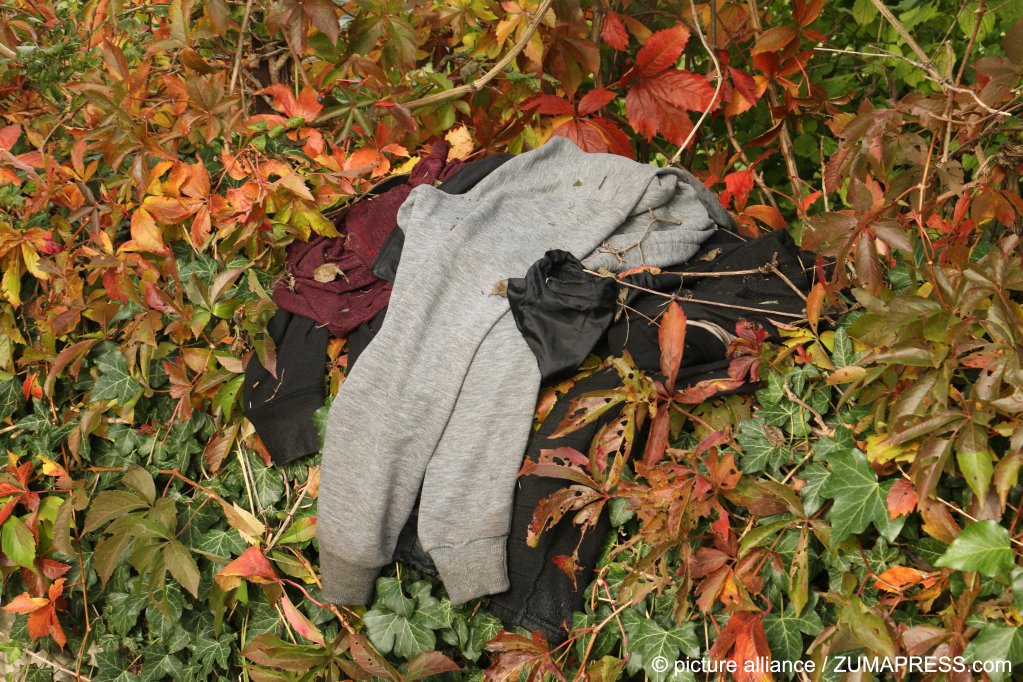
Increased surveillance and controls between Italy and France, and between Italy and Slovenia, are making it increasingly difficult for migrants to cross borders undetected by authorities.
"It’s a question of statistics," said the cultural mediator in Oulx. "When migrants try and cross the Alpine border between Italy and France, they are often caught by the French police. The numbers of police controls have more than doubled in the last year, and they also use helicopters, drones and thermal cameras to try and detect anyone attempting to cross without papers."
'Treated like animals'
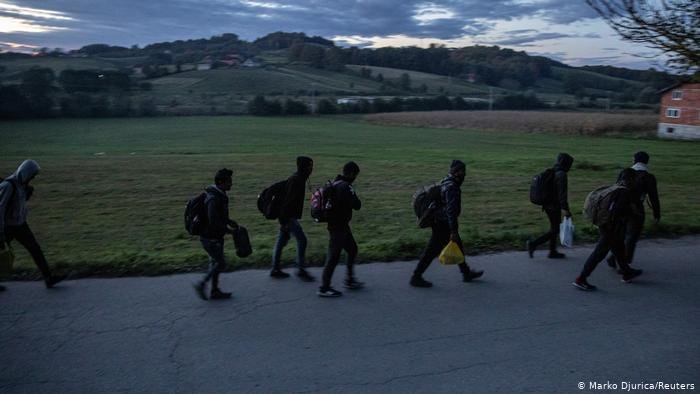
Many migrants are very afraid of being caught by police, he continued. Those who reach Italy have often experienced discriminatory and violent treatment by police or officials in Greece, Bulgaria or Croatia. Some report being robbed, having dogs set on them, mobile phones stolen or destroyed, or being forced to strip before being pushed back across the border.
Migrants in Croatia told the NGO Border Violence Monitoring Network (BVMN) that they were "treated like animals." A 29-year-old Afghan woman, Atefa, told BVMN that police had forced her and eight other migrants to collect rubbish before pouring water into their shoes. She also alleged that officers "groped women and made obscene noises. My breasts are still hurting me…and they did all that with a smile," said Atefa after returning to a migrant camp in Bosnia.
More migrants or not?
Last year, the Italian news agency ANSA reported that the Slovenian police detected over 32,000 migrants attempting to cross Slovenia in 2022. According to Slovenian national police, the numbers had tripled compared with those in 2021.
Although Slovenia claims that there have been large increases in the numbers of migrants attempting to cross its borders, the European Council of Refugees and Exiles (ECRE) pointed out in November that the Slovenian authorities had "criticized Austria [its neighbor] for installing internal control checks along its border, calling them 'ineffective' and 'disproportionate' measures in the 'prevention' of migration." Slovenian authorities said no increase in irregular crossings had been observed at the shared border with Austria."
According to Slovenian statistics published last year, the majority of migrants to Slovenia in 2021 and 2022 were Ukrainian refugees. Of a total of 17,939 foreign nationals entering in 2022, around 9,000 were from Ukraine. 36% of all migrants came from Bosnia and Herzegovina, followed by Serbia, Kosovo and Germany. Statistics for 2023 are due to be published in March this year.
Temporary detention
The Vatican’s most up-to-date migration figures (from 2021) show that more than 10,000 migrants were apprehended while trying to cross into Slovenia. The largest groups were from Afghanistan, Bangladesh, Pakistan and Turkey.
Most undocumented migrants apprehended in Slovenia are detained in a center in Postojna, according to the Vatican. In 2022, the Global Detention Project, a non-profit research group, noted that there were 1,929 detainees in the center, which had a capacity of 140.
The European border agency Frontex detected over 99,000 irregular border crossings on the Western Balkan route in 2023.
With AP, STA