
Spanish maritime rescue services picked up 108 people – mostly from North Africa – in boats off the island of Lanzarote on Monday. Meanwhile in a letter to the Pope, young migrants explained why they had to leave their homes and risk the journey to the Canaries.
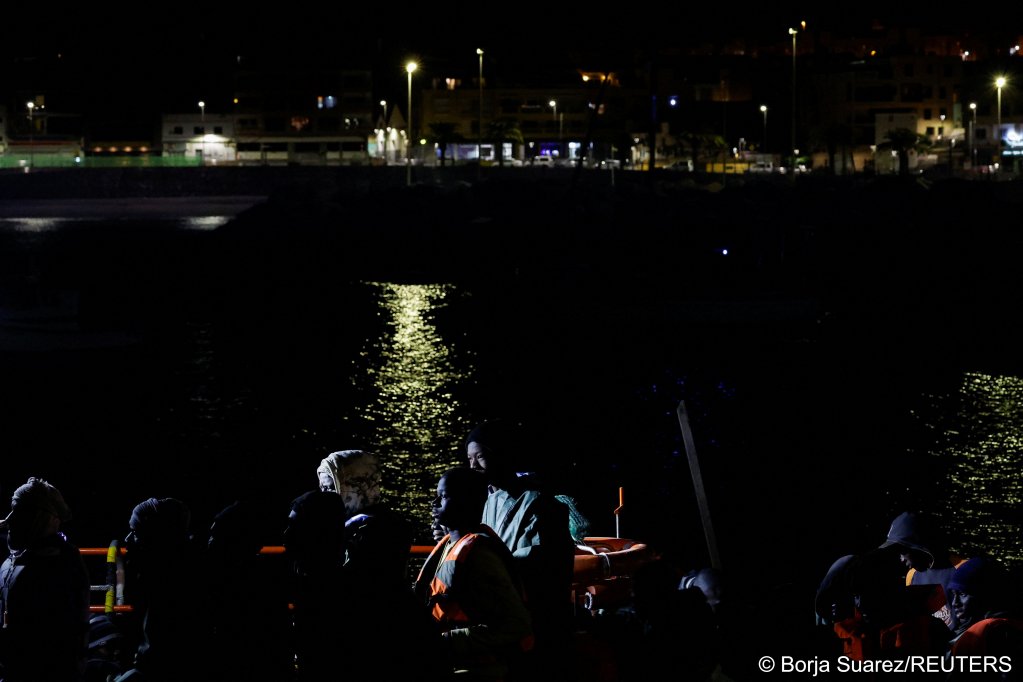
The Spanish rescue service Salvamento Marítimo on Monday (January 15) picked up 108 people south of the island of Lanzarote; an island in the Canary Islands archipelago in the Atlantic Ocean, off the coast of Morocco.
According to a spokesperson, an inflatable boat was spotted about 17 kilometers southeast of Arrecife. There were 56 people – mostly men – on board. Two were from countries in sub-Saharan Africa, while the remainder were migrants from North Africa, Spain's EFE news agency reported.
A second migrant boat was located a little later, about 25 kilometers south of the capital of Lanzarote. The boat was carrying 52 people, all of North African origin.
All the migrants were brought ashore safely on Monday afternoon in the port of Arrecife, where they were offered emergency care.
The arrivals on Monday followed four boats carrying a total 203 sub-Saharan African migrants who arrived on Sunday night into Monday on the islands of Gran Canaria and El Hierro.
Letters to the Pope
Meanwhile the president of the Canary Islands, Fernando Clavijo, visited the Pope in the Vatican to discuss migration. Clavijo brought with him two letters from migrants.
One of the authors of the letters, Mamadou Malal Diallo, from Guinea, appealed to the Pope to be a "voice for him and other African migrants who have landed on the Canary Islands," reported Vatican News.
Also read: 36 days at sea, a tale of death and survival on the Atlantic Ocean
Diallo said that he hoped that, given the Pope’s "privileged position" and the fact that he would be "heard all over the world," he could use this platform to "bring ... Africa and Europe closer together – culturally speaking, foster empathy, and spread it," Vatican News quoted him as saying.
Diallo arrived in the Canary Islands in 2008 and was met not only with the language barrier but also a huge culture shock, according to Vatican News. There is a "lack of opportunities that exist for people like me," he explained in his letter. Diallo now works as a cultural mediator and interpreter.
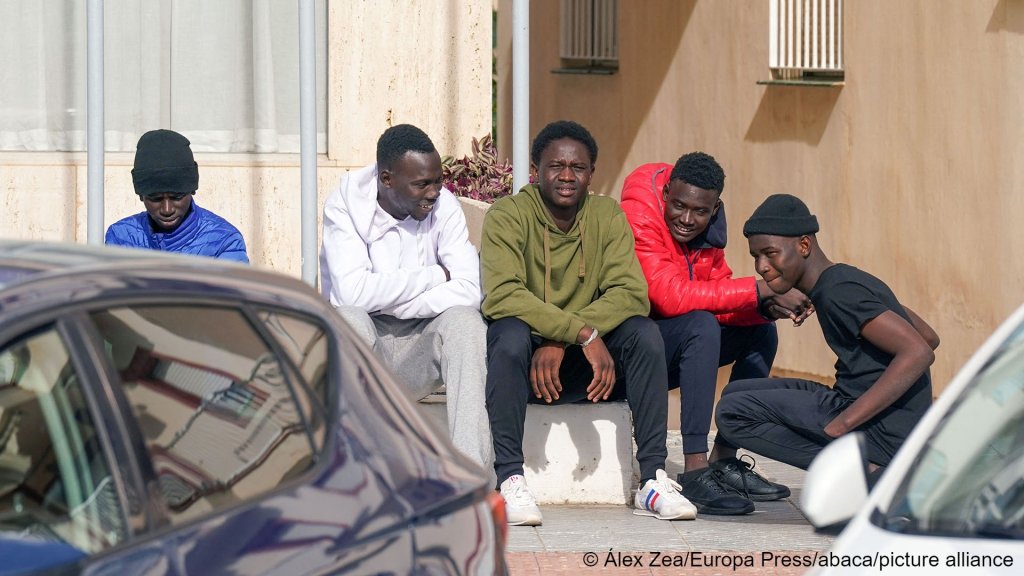
The second letter was from a group of migrants on El Hierro, the smallest of the main islands in the archipelago. Some of the group were unaccompanied minors.
The letter explained why they felt forced to leave their homes and families and embark on the Atlantic voyage. It thanked the people of El Hierro "from the heart," with the writers saying they feel supported and encouraged to "continue fighting to achieve our dreams." They said they hoped to study and then work in Spain in order to support their families back home.
Last year, more migrants began taking the long and dangerous route to El Hierro, avoiding islands closer to the African coast where patrols and surveillance had been stepped up. Last Saturday, reported Vatican News, around 650 migrants arrived on El Hierro.
Also read: Africans flee to Spain's Canary Islands in record numbers
Call for cooperation and development
Following the audience with the Pope, Clavijo told journalists that he was pleased to have been able to "talk about the fact that the problem of migration from Africa can be solved in Africa, that we need policies of cooperation and development."
Clavijo said that people on the Canary Islands recognize that those who arrive are "trying to escape hunger, death and misery, and that the people of the Canary Islands were once migrants as well."
Towards the end of last year, in a letter dated November 20, the Pope thanked the bishops and inhabitants of the Canary Islands for "opening the doors of your hearts to those who suffer." According to Vatican News, he acknowledged the solidarity shown by the people of the Canary Islands and praised "their commitment to the weakest and most disadvantaged."
Clavijo said that in 2023, 70% of all immigrants arriving in Spain arrived on the Canary Islands archipelago.
'Extremely saturated'
Also taking part in talks with the Pope, the vice-president of the Canary Islands, Manuel Dominguez González, said the islands' authorities needed help in order to support the migrants who were arriving. "We are extremely saturated; we are doing everything we can to assist [the migrants]," González said.
The Canary Islands leaders expressed the hope that their meeting with the Pope would help European institutions and the Spanish government, as well as other European countries, "become aware of the entity of Africa." Clavijo said his government had already been cooperating for a long time with countries on the African continent.
Also read: Spain, migration routes become busier in 2023
Focusing on the plight of unaccompanied minors the regional president also said that the growing numbers of arrivals "makes it almost impossible to guarantee their rights to integration, childhood and life projects."
Arrivals and deaths
According to the Spanish aid organization Caminando Fronteras (Walking Borders), which works with migrants, 6,618 migrants died trying to reach Spain from the African continent in 2023. Most of the deaths which occurred were en route to the Canary Islands. The figure includes 384 children, said Caminando Fronteras.
Spain’s interior ministry said that 55,618 migrants arrived in Spain by boat in 2023, almost double the number that arrived in 2022.
According to the UN Refugee Agency UNHCR’s figures, which were last updated on January 7, more than 1,784 migrants have arrived in Spain since the beginning of the year. 1,677 of these arrived on the Canary Islands.
With AP, EFE