
Climate change continues to threaten water supplies, agricultural resources and many other vital infrastructures all over the world. Millions of people are expected to be impacted by both rapid climate-related emergencies and the effects of slow onset climate change. But how much is this likely to lead to new migration patterns?
The term 'climate refugee' features ever more prevalently on the news, referring to people who have been forced to leave the place they call home -- either temporarily or permanently -- due to the effects of the climate crisis.
Those displaced by climate-related emergencies are sometimes also referred to as "climate or environmental migrants."
The impact of a warming planet is felt all over the world, with displacement and international migration becoming growing themes in this narrative.
But how big is the threat of climate migration in the long term?
More than just regional disruption
Global thinktanks such as the Institute for World Economics and Peace and organizations like the World Bank estimate that millions of people could have suffered severe displacement by 2050 due to a mix and overlap of environmental change, conflict, and civil unrest all linked to climate change.
Last year, aid agency Oxfam predicted malnutrition to increase 30% in countries hit the worst by the climate crisis. The charity estimated that there might be up to 216 million climate migrants at the global level by 2050.
According to the International Organization for Migration (IOM), weather-related events such as storms, floods and droughts already were responsible for 98% of the 32.6 million new internal disaster displacements in 2022. Such disasters are expected to only become more frequent as the planet grows hotter.
IOM identified the following five countries with the highest rate of internal displacement due to climate-related disasters in 2022: Pakistan (8.2 million), the Philippines (5.5 million), China (3.6 million), India (2.5 million) and Nigeria (2.4 million).
However, analysts say that there are many other factors and dynamics to also take into consideration when trying to forecast climate-related migration trends.
Migration is rarely an option
Jacob Schewe, head of the PIK FutureLab for Security, Ethnic Conflict and Migration, says in a press release that "(o)verall, migration related to climate change has increased -- but it has done so to a lesser extent than might have been expected."
According to Schewe, climate change hurts the poor the most, as its effects impact economic growth negatively in nearly all countries. For many, he explains, migration is not even an option:
"Many people in need who live in poor countries lack the means to migrate. They have no choice but to stay where they are," Schewe highlights.
A report by the Climate Migration Institute, a global research institute based in the US, meanwhile also disputes predictions that suggest "startlingly huge predictions of mass migration" to ensue as a result of global warming.
The evidence shows that movements due to climate-related disasters are internal rather than cross-border, and that they tend to be temporary rather than permanent in nature, said the report.
Short-term solutions and long-term problems
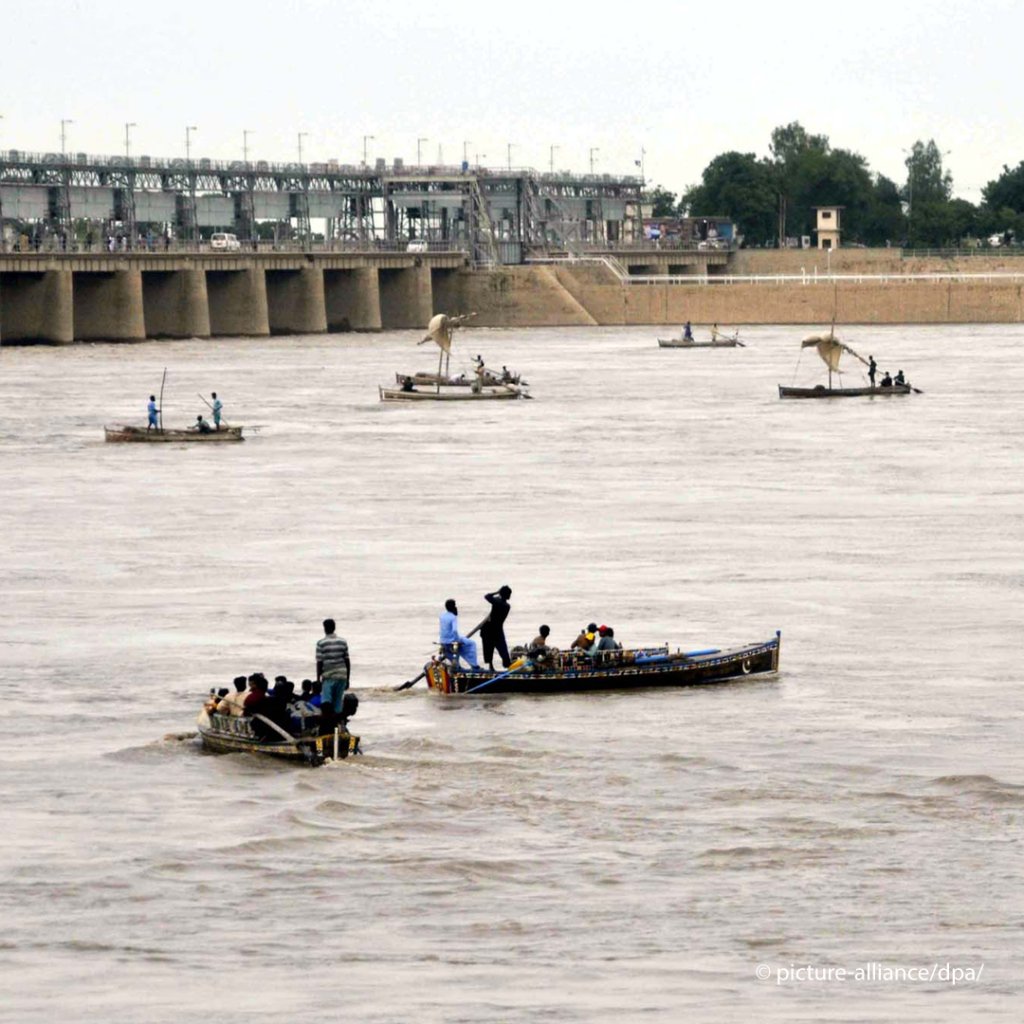
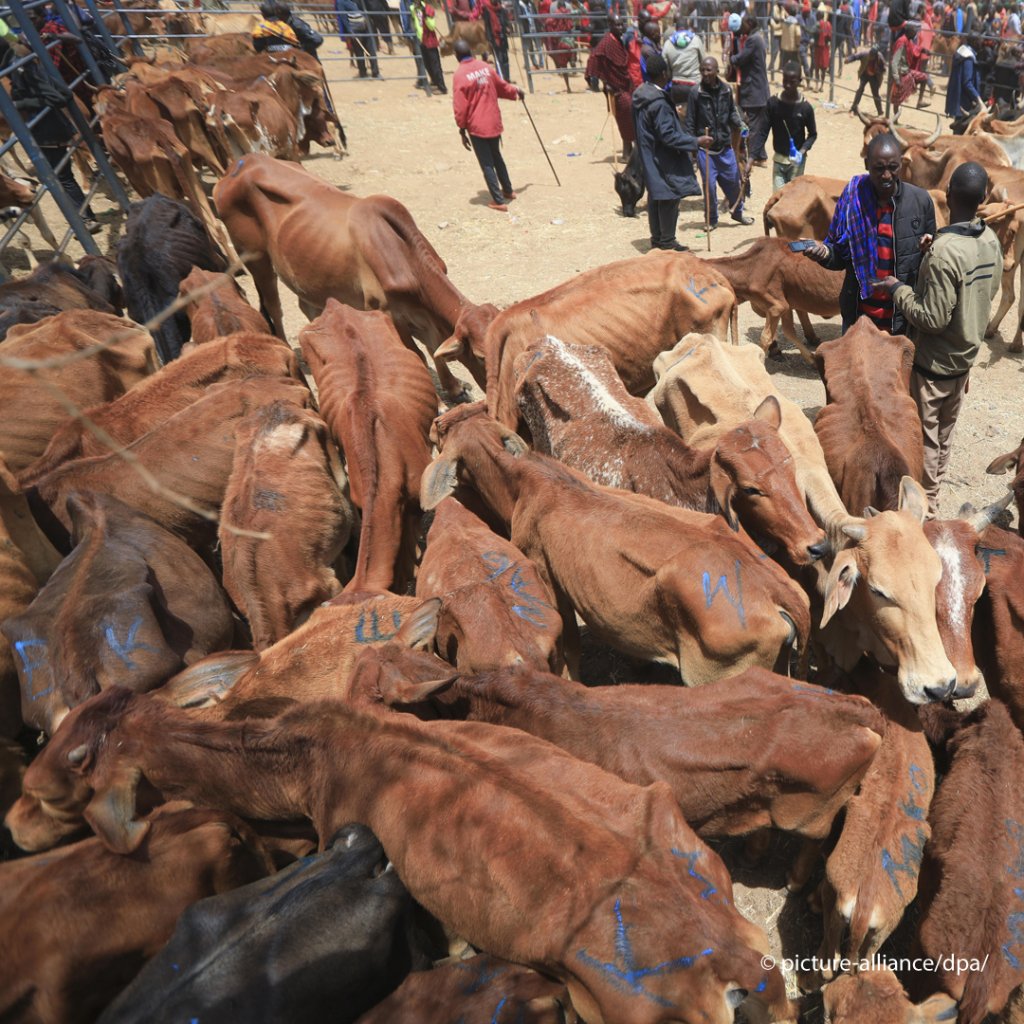
The report cited one of the biggest displacement situations in 2022 as an example for the limitations of migration: floods in Pakistan and droughts in East Africa caused people to seek shelter elsewhere within their countries.
However, by the end of that year, most of those who had been displaced as a result of these climate-related migration patterns had returned to their homes.
The Climate Migration Institute report explains that climate disasters tend to create emergency situations that necessitate immediate action which usually includes for people to move away -- but only initially and for a limited amount of time.
However, the document also stressed that repeated disasters may change that narrative:
"Rapid-onset disasters typically lead to short-term displacement. People may decide to move permanently or go farther away if events recur repeatedly or cause massive damage," according to the authors of report.
The Climate Migration Institute listed several factors that typically influence decisions to move farther away -- or for a longer period -- following climate-related events.
These include how vulnerable a community is to climate change as well as an individual's ability to access resources to move away, which include finances, transportation, social networks, and access to legal pathways of migration.
Migration as a lasting response to the climate crisis
In the case of a community’s level of vulnerability to climate change, some countries -- in particular island nations -- may face higher long-term risks because of rising sea levels, which inadvertently may result in different patterns of movement.
The Climate Migration Policy Institute report outlined how slower on-set climate change events such as rising sea levels or prolonged droughts may lead to more migration in those populations -- including migration across borders over time.
As climate change exposes and amplifies existing inequalities and insecurities, the most vulnerable are likely to be those who are left with little or no options to adapt to persistent climate-related disasters.
Also read: How Europe might cope with climate refugees

However, the distinction between the two types of climate-related disasters is becoming increasingly blurred, as sudden climate crises and slow-onset events now increasingly overlap, with their frequencies and severity intensifying, as the planet grows warmer and warmer.
"Mobility is one response to the impacts of climate change, but not an inevitable one, nor is this movement always a negative development. As climate change makes livelihoods harder and disasters more severe, displacement is likely to grow and become more unpredictable, although government action can help individuals remain in place or move in safer, legal ways," concluded the report.
Read the full report by the Climate Migration Policy Institute here.
If you are interested in learning more about the ways that the climate crisis intersects with migration, The Borgen Project, a US-based non-profit, has a list of organizations working on climate justice all around the world here.