
More than 200 people have been rescued in the central Mediterranean Sea in private sea rescue operations since the beginning of the year. After days at sea, the Sea-Watch and Sea-Eye NGO boats have reached their designated Italian ports to disembark the rescued migrants on board.
Search and rescue vessels operated by German aid organizations took on more than 200 people in distress on board their ships in the Central Mediterranean Sea over the past few days, German news agency dpa reported.
The Sea-Eye 4, which is operated by the Bavaria-based NGO of the same name, rescued 106 people in international waters south of the Italian island of Lampedusa on Tuesday (December 26). Among the rescued were 45 children -- some of whom were unaccompanied.
In a statement, Sea-Eye confirmed that the passengers and crew had finally reached the port in the southern Italian city of Brindisi.
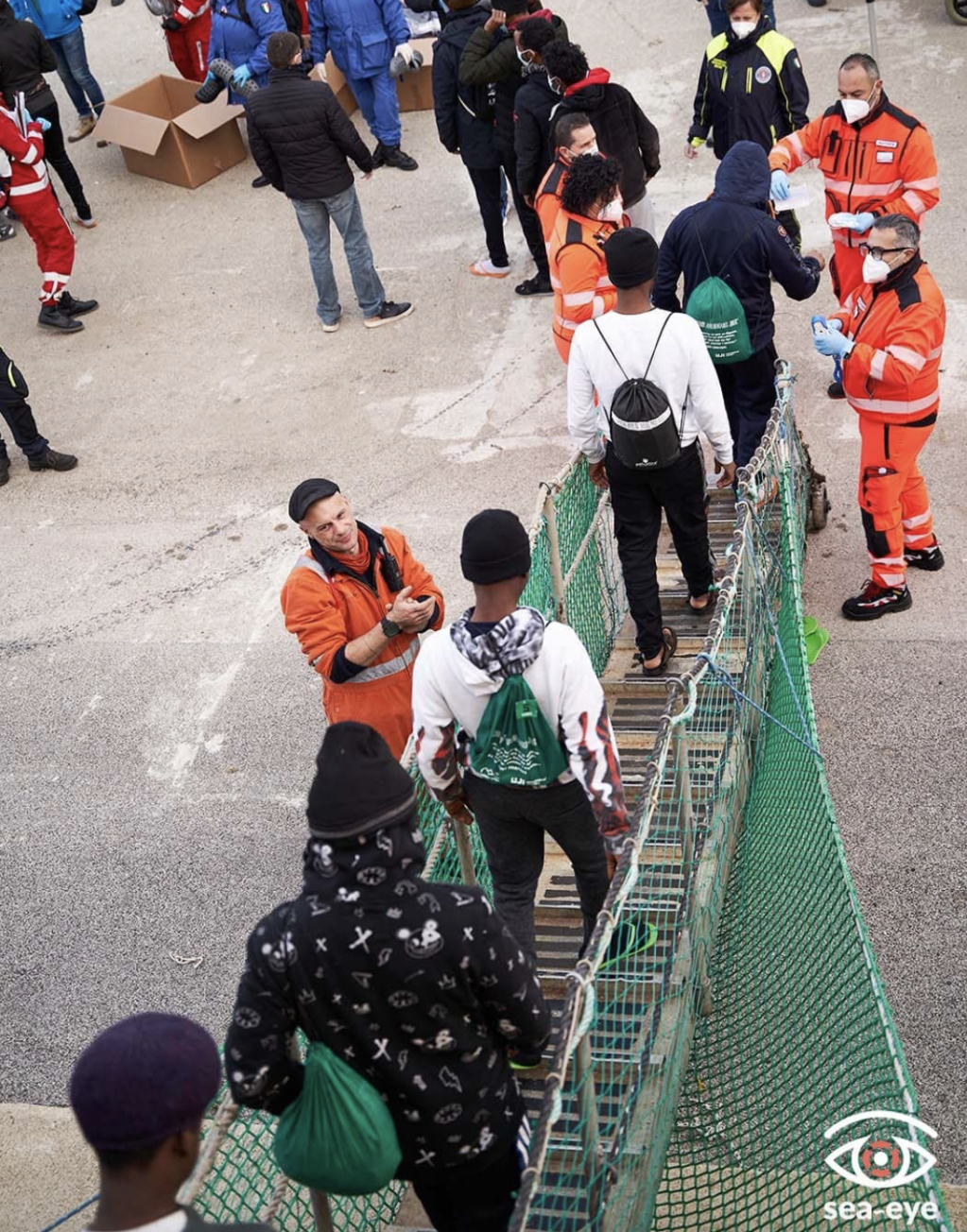
Taking those rescued to safety was however prolonged by an Italian decree issued last year, which requires rescue ships to travel to disembarkation ports that are far away from the original rescue site, as assigned by the Italian Coast Guard.
They also have to disembark migrants after each mission or risk impounding and heavy fines if they pick up more migrants between rescues.
Also read: NGO Emergency: Over 28,000 migrants have died at sea since 2014
No silent night for those who have to flee
Meanwhile the crew of another German rescue ship, Sea-Watch 5, rescued more than 200 people in the central Mediterranean at sea in two separate operations past week.
The crew saved 119 people in distress, taking them to the assigned port of Marina di Carrara in Tuscany on Thursday. Among the rescued were 32 unaccompanied minors, the youngest of whom was three years old.
Sea-Watch slammed the Italian authorities for assigning them a disembarkation port that is located about 1,150 kilometers away from the original rescue site.
"There is no silent night when people have to try to flee across the sea in search of safety," Anne Dekker, head of operations on board the Sea-Watch 5, said in a statement.
Also read: Italy fails to reduce sea crossings across via the Mediterranean
'Deadliest escape route in the world'
In 2023, the path from North Africa across the central Mediterranean to Italy became Europe's busiest migration route. The majority of departures, however, shifted from Libya to neighboring Tunisia.
Citing data from his ministry, Italian Interior Minister Matteo Piantedosi said that more than 155,750 people had arrived in Italy by sea in 2023. This marks an increase of nearly 50% from the previous year when an estimated 105,000 had arrived.
On its website, Sea-Eye calls the Central Mediterranean its site of operations and "the deadliest escape route in the world."
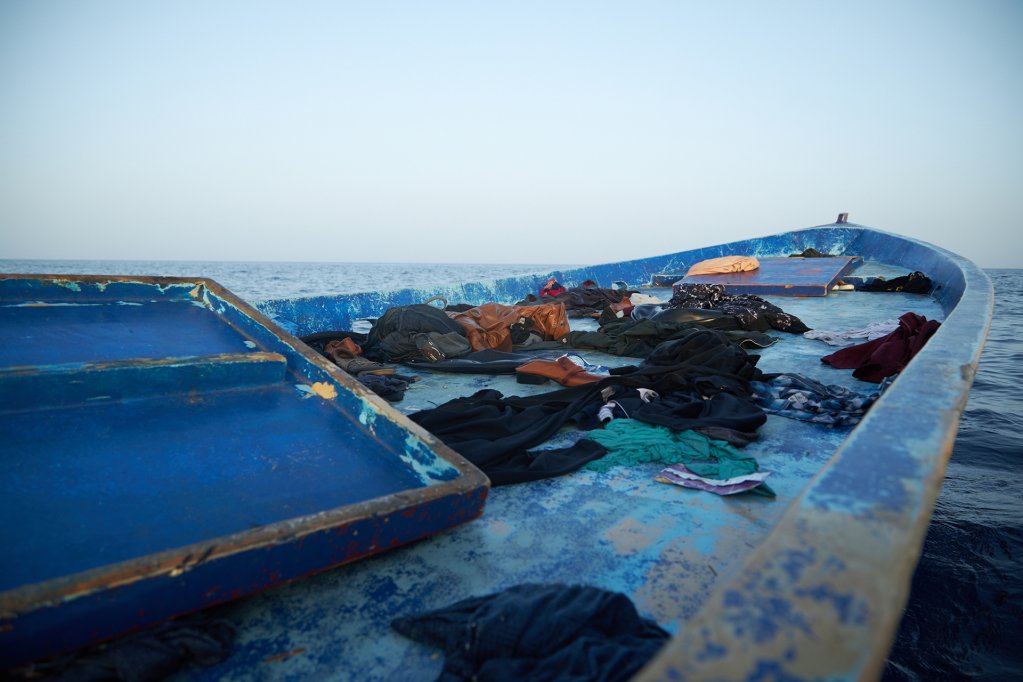
Thousands of people fleeing conflict, poverty, and political insecurity in their home countries attempt to enter Europe by crossing the Mediterranean Sea using irregular methods of migration, which often involve dangerous journeys on small boats that are no match for the tumultuous tides of the Mediterranean Sea.
Many crossings have resulted in boat accidents and shipwrecks; others in death or disappearance.
According to the International Organization for Migration (IOM), more than 2,750 people went missing and were presumed dead in the central Mediterranean last year alone. The IOM estimates that the real numbers are likely to be higher, as many instances of shipwrecks go unreported.
Also watch: "Route 4" -- a Sea-Eye short film on emotional rescue missions in the high seas