
Organized criminal gangs traffic women and children into the UK for large-scale shoplifting operations, according to a BBC investigation. Retailers in the country are estimated to have more than €1 billion due to shoplifting last year.
Organized crime groups are trafficking women and children into the United Kingdom and forcing them into shoplifting, an investigation by the BBC revealed last month.
Members of this gang have been arrested across several cities in the UK, such as London, Birmingham, Manchester, and Darlington.
According to the latest annual Trafficking in Persons (TIP) report issued by the US State Department, labor trafficking -- which includes forced criminality such as acts of shoplifting -- is the most common form of exploitation among adults and children in the UK.
The TIP report, which monitors trafficking activities across the world, also noted cases of "perpetrators forcing victims into shoplifting" in Northern Ireland.
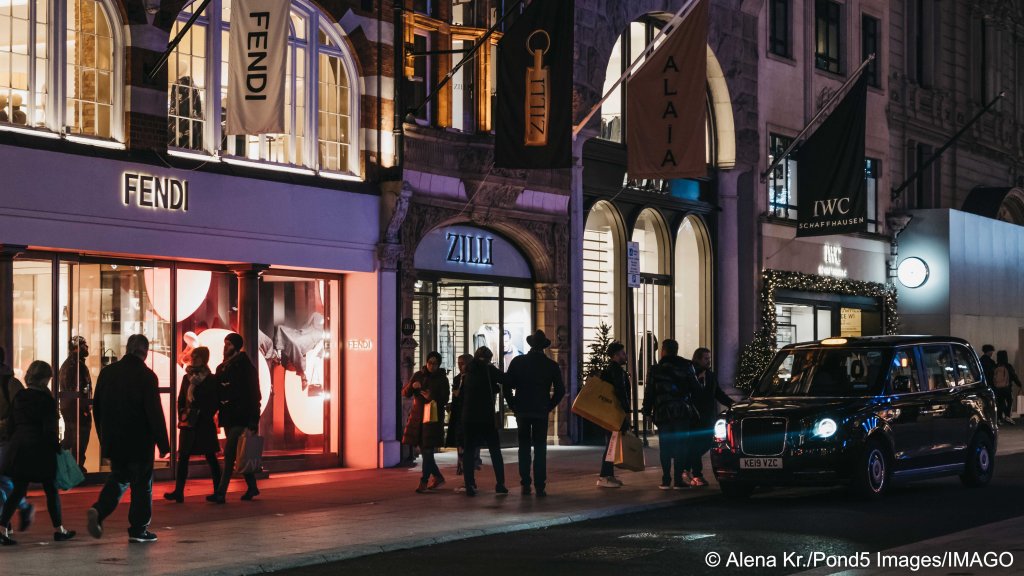
Choreographed shoplifting operations
Retailers Against Crime (RAC), a national crime detection and prevention NGO that works closely with police and UK retailers, said it was tracking 56 groups which are using shoplifting to fund organized crime, including activities that are linked to illegal drugs and firearms.
One company in Scotland identified a 154-person gang that travels across the UK stealing high-value items in bulk to sell or ship abroad.
Former police officer Adam Ratcliffe, who is now the head of the Safer Business Network, which works to reduce the impact of crime on businesses, went through hours of CCTV footage and police information to establish patterns on how these groups work.
He observed that cosmetics stores are reportedly a prime target in the crosshairs of shoplifting gangs. Perpetrators are alleged to steal keys to the cabinets where fragrances, high-value face creams, and cosmetics are stored. Groups of five to seven at a time open the drawers and fill their bags with high-end goods, Ratcliffe told BBC.
Male members who are involved in the schemes remain on the lookout, "running operations from a safe distance" he added.
Lured by higher wages and community support
According to the National Crime Agency (NAC), the UK's law enforcement agency focused on organized crime, British nationals are the most commonly identified victims of modern slavery and human trafficking reported in the UK.
Albanian, Vietnamese, Romanian, and Indian nationals -- many of whom are in the UK undocumented or have overstayed their visas -- are also high on the list of those likely to fall prey to such organized crime gangs.
Women and children, particularly those recruited by Eastern European crime groups, are reportedly chosen to carry out these crimes because security and shop staff are believed to be less likely to suspect them of being involved in criminal activities.
The NAC identified 7,936 potential victims of trafficking and exploitation in the UK in 2023, marking an increase of 10.3% from the previous year. The NAC stated that while the increase likely represents improved awareness and reporting of modern slavery, the actual number of cases remains underreported.
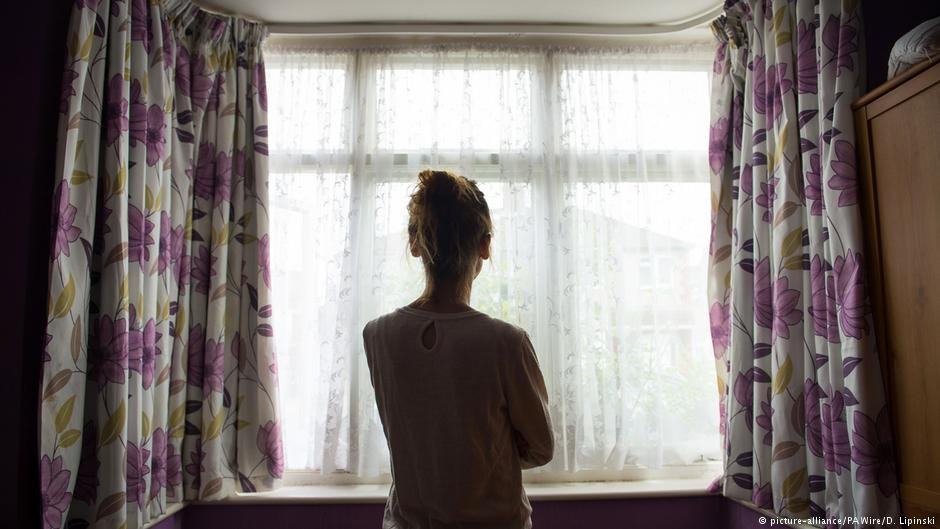
According to a 2023 House of Commons Report on the state of trafficking in the UK, there reportedly were many Romanian women among those who are lured to come to the UK, usually with the promise of work.
The presence of many Romanian communities already present in the UK also adds to the allure, as there's an impressions that they can help with integration.
Romania, along with other Eastern European countries, has low wage levels, widespread poverty, and limited access to higher education and government support, the report said. The monthly minimum wage in Romania is estimated at €60.
The report further cited interviews with trafficking survivors who said that despite their harrowing experiences, over half would still want to return to the UK because of its higher wages, better access to healthcare, and better treatment by law enforcement.
A 'god-awful life'
Former police officer Ratcliffe said that those forced into criminality are often at the bottom of the ladder, carrying the burden of risk while seeing little to no reward: "It's a god-awful life for these people, they are vulnerable and have been exploited," he explained.
"Their lives are horrific. They are living in houses of multiple occupancy, 30, 40 of them at a time, sleeping on mattresses in dirty rooms, being used and abused as criminals," Ratcliffe told BBC.
Retail loss due to shoplifting
The British Retail Consortium (BRC), a trade association representing retailers in the UK, estimates that shoplifting activities cost retailers £953 million last year, which is slightly more than €1 billion.
BRC data reveals that incidents of theft have increased by 27% across ten of the largest cities in the UK, with some cities noting an uptick in shoplifting by as much as 68%.
Statistics indicate that police recorded approximately 342,343 shoplifting incidents in England and Wales in 2022 and 2023, though the actual number is estimated to be significantly higher.
"More than not, [shoplifting] is linked to serious and organized crime ... involving organized crime groups traveling nationwide. There needs to be a change in the way retail crime -- in particular shoplifting -- is perceived, and it simply must stop being swept under the carpet and portrayed as a petty crime," the RAC told euronews in an interview.
With reports from BBC and EuroNews