
Libyan officials announced on Tuesday they had repatriated almost 1,000 migrants found to be in Libya "illegally” to their countries of origin, Egypt and Nigeria.
Libyan authorities bussed 664 Egyptians to Libya’s border with Egypt and sent around 300 Nigerians to the airport to be flown home, according to announcements made by the head of Libya’s "anti-immigration body" General Mohamad Bardaa on Tuesday (December 12), French news agency Agence France Presse (AFP) reports.
The group of Egyptians were taken by bus to the Libyan-Egyptian border post at Emsaed, around 1,400 kilometers east of the Libyan capital Tripoli.
Thousands of Egyptians have lived and worked in Libya for years, often without the correct papers, reports AFP. Many of them work in agriculture, business or the construction industry.
This is not the first time Libya has repatriated migrants present in the country. At the beginning of November, 600 Egyptians were sent back to Egypt.
Then, at the end of November, Chinese state news agency Xinhua reported that Libya’s "Illegal Migration Control Department" had repatriated 248 migrants -- 120 were flown back to Niger and another 128 back to Chad.
Regular repatriations
Libyan officials have described the repatriations as "humane and appropriate", reported Xinhua, because of conditions inside Libya, which has been ripped apart by civil war and unrest since the former leader Muammar Gaddafi was deposed in 2011.
In the summer, Libya flew 161 Nigerians back to their country of origin under a UN-backed scheme, reported the Qatar-based broadcaster Al Jazeera. They had accepted what the UN Migration Agency IOM calls a "voluntary repatriation."
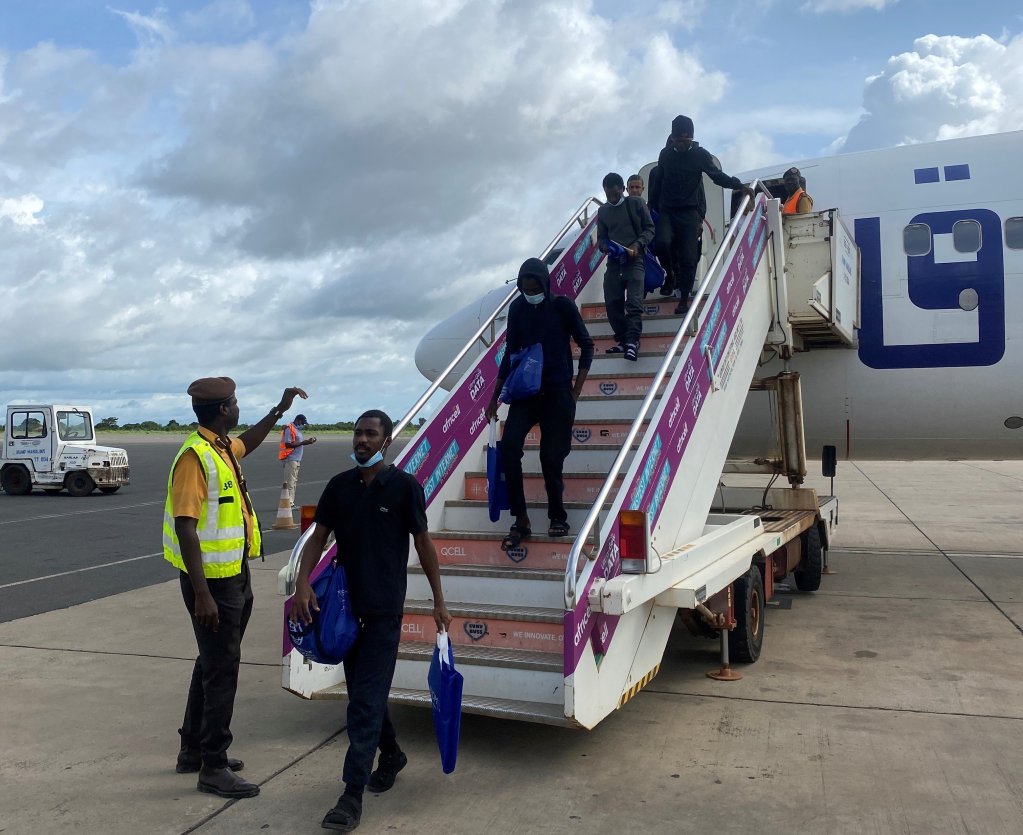
At the time, Al Jazeera said the repatriation flight was "one of about a dozen transports taking place this year."
"Migrant Rescue Watch", an account on the social media platform X apparently run by an Australia-based user named Rob Gowans, has been posting pictures, videos and what appears to be documents from the DCIM showing almost weekly deportations of migrants both across the land border to Egypt and by flight to various sub-Saharan African countries.
The authenticity of the documents could not be independently verified by InfoMigrants.
It is unclear what the account's motivation is, but some of the hashtags used suggest it may aim to deter migrants from making the journey across the Mediterranean.
Returned to Libya
Gambia has also been working to repatriate its citizens from Libya over the course of the year. In July, the Gambia repatriated 296 migrants, according to the country’s foreign ministry. Over half of those had been stranded in Libya, and others were returned from Senegal, Mauritania and Morocco.
Later in July, it was reported that the IOM had helped repatriate a further 127 Gambian migrants in both Tunisia and Libya "amid growing racism."
Towards the end of 2022, InfoMigrants also reported on Libya expelling "more than 200 migrants back across its land borders" with Egypt, along with Sudan and Chad.
Also read: More than 100 migrants 'collectively expelled' from Tunisia
The IOM keeps a regular tally of how many migrants are returned to Libya. In the period between December 3 to 9, they say 105 migrants were intercepted at sea and returned to Libya by the coast guard. So far, in 2023, over 15,000 migrants have suffered that fate. In all of 2022, some 24,000 migrants were intercepted and returned.
Many of the migrants who are returned to Libya end up in detention centers, either run by the government or various militias. Migrants who have spent time there report inhumane conditions, violence and torture, as well as regular extortion.
'Nowhere but back'
Migrants attempting to work and live in Libya, sometimes with the aim of gathering enough money to make the Mediterranean crossing, report frequent round-ups on the streets of the country, either by authorities or militias.
Migrants have reported finding themselves in detention centers, where they are expected to pay to be released, deported directly or offered a voluntary repatriation program by the IOM, which they often say they feel is their only option.
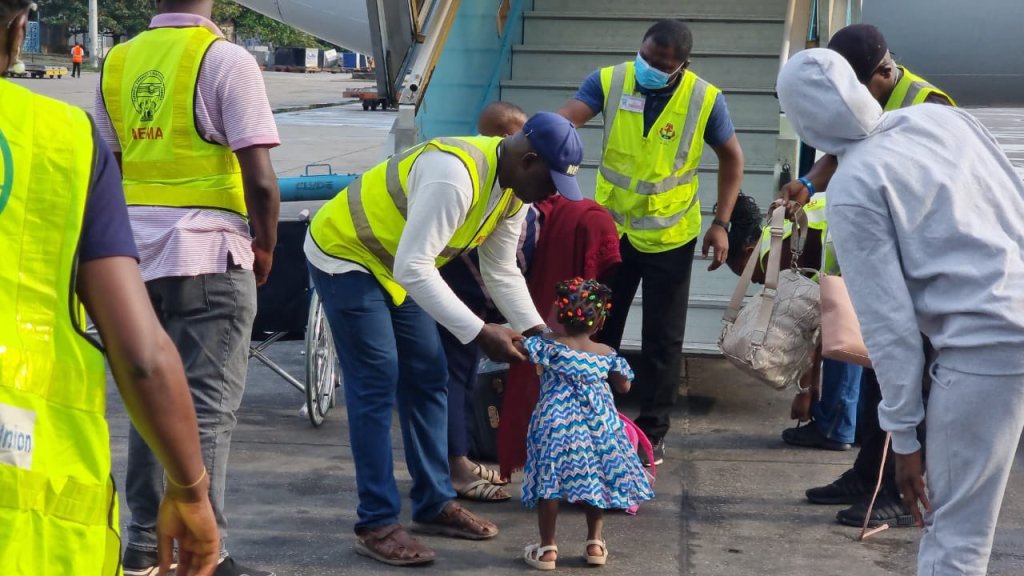
In November 2022, the Office of the High Commissioner of the UN’s Human Rights Agency (OHCHR) confirmed that many migrants feel the only way out of the violence in prison is repatriation.
"They brought me to a prison. But even at that point I didn’t think about going back. Then they entered the prison with a stick and were beating people like animals. Sometimes they would take your money and good clothes. They broke my teeth. So I accepted return," explains Lamin, a migrant from the Gambia.
Last year, OHCHR wrote that since 2015, "more than 60,000 migrants in Libya have been repatriated to different countries of origin across Africa and Asia through assisted return programs, including at least 3,300 Gambians."
'I did not decide to come back'
The OHCHR published a report "Nowhere but back: Assisted return, reintegration and the human rights protection of migrants in Libya," in which they analyzed the “human rights protection gaps in the context of assisted returns from Libya.”
When the report was launched, Deputy UN High Commissioner for Human Rights Nada Al-Nashif, commented: “This desperate situation requires all concerned to ensure that no migrant is compelled to accept assisted return to an unsafe or unsustainable situation in their country of origin.”
Another Gambian migrant told the authors, "I did not decide to come back. I was arrested at sea and taken to prison. In that prison, UN officials came and took my information, and from that prison I was deported to the Gambia. (..]They didn’t give me any information about the return. I just knew they were deporting me. I wasn't told what I was signing –I didn’t know."
The Libyan authorities have been working hard to establish more official mechanisms with the IOM to allow for the repatriation of migrants without papers from Libya, reported AFP.
With AFP