
Tunisia has intercepted some 70,000 migrants since January, according to officials, up 124% from the same period last year.
Over the past year, Tunisia has become as popular a departure point as Libya, where migrants have historically set sail on journeys across the Mediterranean.
According to data released by Tunisia's national guard, foreigners made up 78% of those intercepted in the first 11 months of 2023, while the rest were Tunisian. That is up from last year, when just 59% of those departing from Tunisia were foreign, the French news agency Agence France Presse (AFP) reports.
There are many reasons why Tunisia has become a more attractive point of departure for foreign migrants. Racist statements made by Tunisian President Kais Saied in February spurred much of the movement.

In response to the president's insinuations that migrants were part of a "criminal plan" to change the demographic composition of Tunisia, many sub-Saharan migrants were kicked out of their homes, released from their jobs and found themselves subject to sometimes brutally racist attacks in everyday life. In late March, migrants took up protests outside Tunis's UNHCR building, where some remained for months.
African countries Ivory Coast, Mali and Guinea repatriated some of their migrants living in Tunisia to help them escape what had become a dangerous and hostile environment.
In the summer, Tunisia was accused by NGOs of dropping African migrants off in the middle of the desert on the Algerian side of the border. Similar reports were made from desert areas along Tunisia's border with Libya. At least 100 migrants expelled from the country in this fashion reportedly died in response to the sweltering heat and lack of water, according to AFP.
Altered smuggling routes
However, there are other reasons for the increased number of departures from Tunisia.
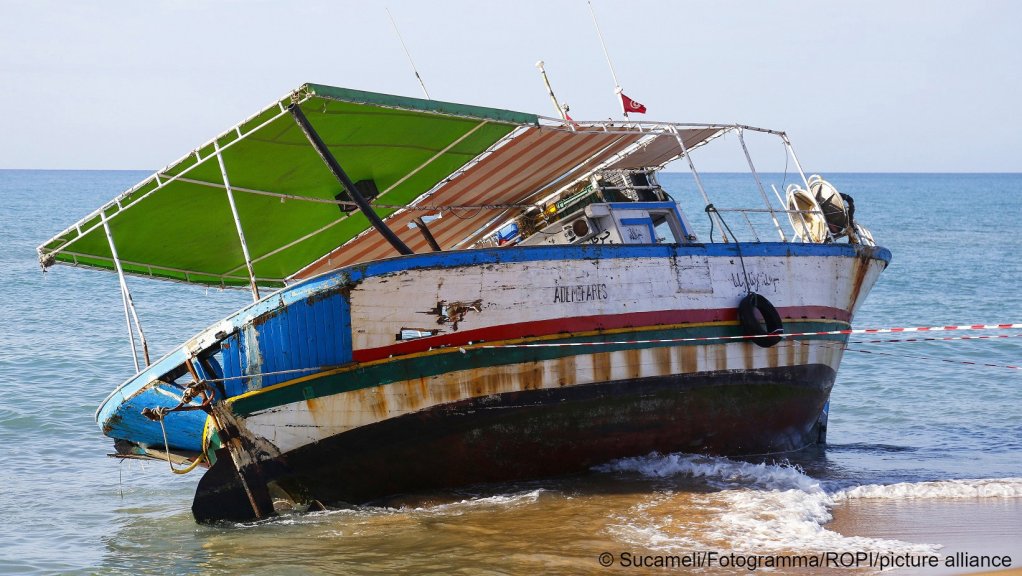
Salvatore Vella, a state prosecutor in the Sicilian region of Agrigento, which includes the small Mediterranean island of Lampedusa where many migrants first land, told InfoMigrants in April that the migrants departing from Tunisia were arriving at Lampedusa upon crudely built, 10-meter-long boats constructed of sheet metal.
These makeshift boats are flimsier than those used by migrants departing from Libya, he said.
"We call them 'sailing coffins' because they are extremely unsafe and unstable," he said. "And the moment they capsize, they sink."
Vella said he started noticing more and more non-Tunisian migrants — who, he said, traditionally exclusively depart from Libya — arriving upon the Sicilian shores starting in late 2022, even before Saied officially launched his anti-migrant campaign in February 2023.
He said he suspects that smugglers started changing their networks to go through Tunisia rather than Libya because it is less heavily surveilled. Migrants consulted by InfoMigrants often spoke of being smuggled across the Libya-Tunisia border to depart from Tunisia.
It is unclear how these figures will look in 2024. A migration pact between Tunis and Brussels that would offer Tunisia funding to better patrol its coasts took a hit earlier this fall after Saied said pledged funds from Brussels weren't enough. Meanwhile, the migrant situation remains dire in Tunisia --- InfoMigrants receives reports of brutal mistreatment on a regular basis from migrants located in the country.
With agencies