
Germany’s Commissioner for Disabilities Jürgen Dusel has expressed concern that the planned reform to the naturalization process could discriminate against migrants with disabilities.
The rights of migrants with disabilities could be infringed upon in the government’s planned changes to the naturalization process, Germany's disabilities commissioner Jürgen Dusel warned Monday (December 11).
The changes to the naturalization process are meant to lessen the hurdles to becoming a German citizen -- in particular by lowering the amount of time one needs to have resided in Germany before being able to apply for citizenship.
However, the amount of money one needs to have in their bank account to prove self-sufficiency will be raised, which could serve as a barrier to people with disabilities who receive social benefits.
Currently only those who do not claim social benefits can apply for citizenship.
Dusel, who is a member of the German SPD party, wants citizenship criteria to be reformulated in order to give everyone, including those with a disability, a realistic chance at becoming a German citizen, reported the German news agency epd.
New law expected before year's end
Germany's governing coalition, which includes the SPD, the Green party and the liberal FDP party, hope to pass the law related to changes in citizenship before the end of the year. The Interior Affairs Committee, responsible for discussing the changes, met on Monday afternoon.
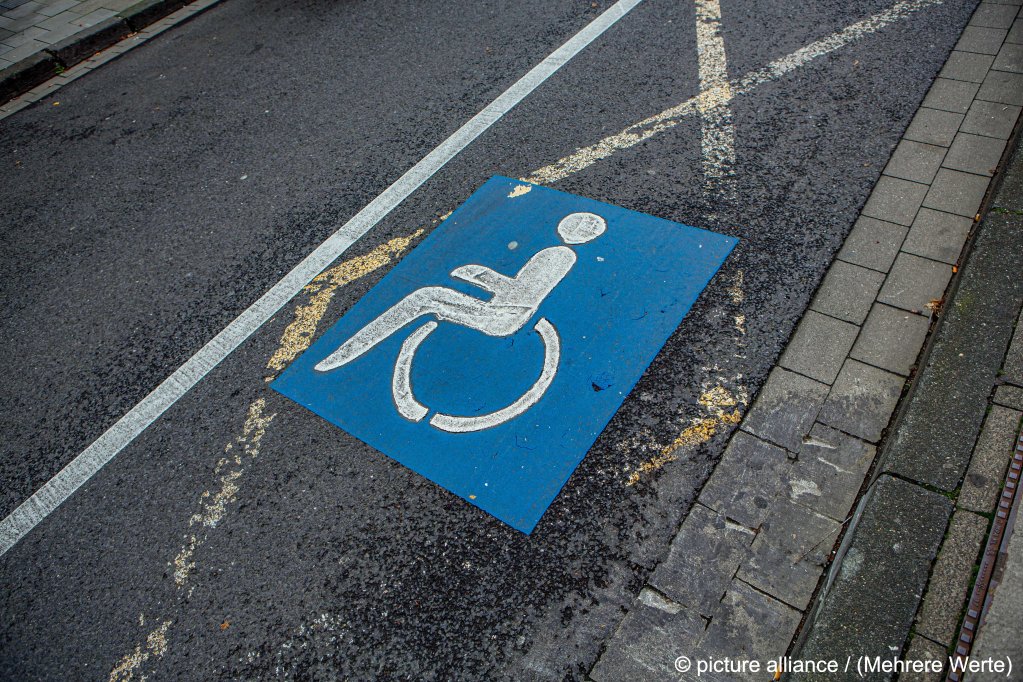
The increase in the amount of money one needs in their bank account to apply for citizenship could also discriminate against women, and single mothers in particular, some legal experts say.
After Monday's discussions, the committee decided that exceptions would be made for some categories of people who claim social welfare benefits, including: the partner of a full-time worker, full-time workers who still need to rely on some social welfare payments and anyone with a child under the age of 18 at home.
Exceptions not enough, claims legal expert
But legal expert Sina Fontana told the committee that these exceptions still aren't enough to make access to the naturalization process fair for everyone. She said the law would still discriminate against those who receive low incomes or live in "precarious conditions." Anyone who has caring responsibilities would find it difficult to work a full-time job, Fontana told epd. She said this was the reality of life for many people and should not just be covered by an "exception."
Fontana said the new law contradicts Article 3 of the German constitution, which provides that all should be treated equally: "No person shall be favored or disfavored because of sex,parentage, race, language, homeland and origin, faith or religious or political opinions. No person shall be disfavored because of disability."
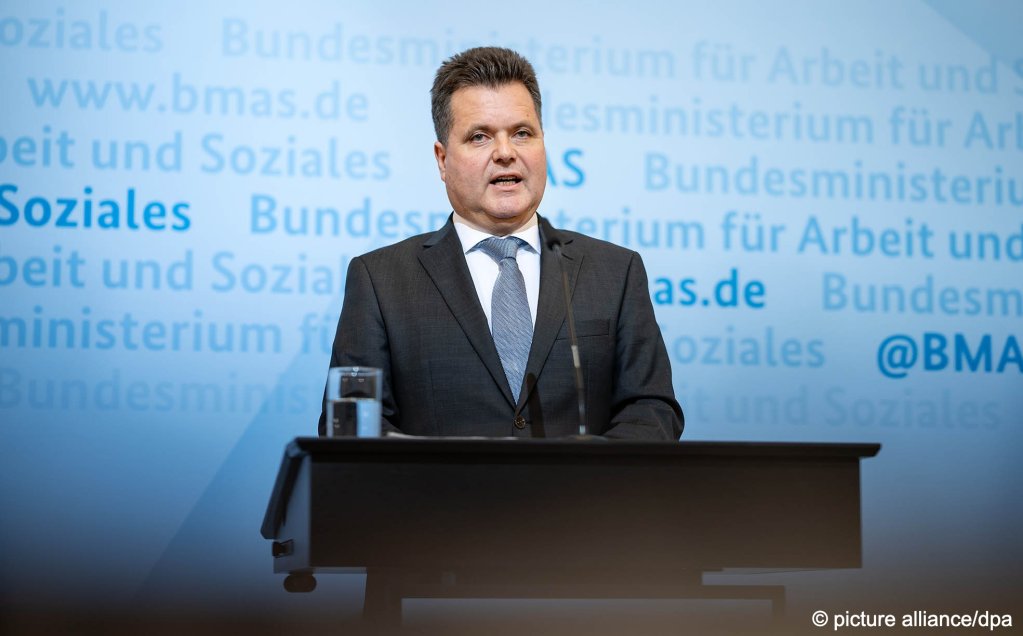
Gerd Wiegel from the German Federation of Unions (Gewerkschaftsbund) also criticized the planned changes in the law in a testimony to the committee. He said the new law was designed to give more people the chance to exercise their rights to democracy by being able to vote once they were German citizens. However, the right to do this should not be based on income or whether or not you need social welfare benefits.
Multiple citizenships could compromise democracy, think critics
The proposed changes in the law are also being criticized by the opposition. Matthias Friebe, an expert in state law, said he thought it could be problematic if those who became German citizens in the future were allowed to keep the citizenship of their country of birth. He said that multiple citizenships could become problematic, especially when linked to authoritarian regimes.
Friebe also pointed out that it could become complicated if dual German citizens were required fulfill a military service obligation for another country, whose citizenship they also held, either through place of birth or heritage. Friebe noted that Russian citizens with dual citizenship was a case in point, given the current conflict between Russia and Ukraine.
Currently, Germany expects most new citizens to give up their former citizenship rights in order to take on German citizenship. An exception is made for dual citizenship with other EU countries, since it is judged that countries within the bloc are not at odds or enemies of Germany or the democratic rights it stands for.
With epd