
At least one in three asylum seekers in Germany suffers from a mental illness, a media investigation found. However, only a fraction of them have access to therapy, despite the risks that untreated psychological disorders can pose, not only to those suffering from them but sometimes to society as well.
"Sometimes I suddenly can't see anything anymore. I pause and then I come back to reality."
Ibrahim Willeke, a gay man who fled Lebanon in 2015, was severely traumatized by the homophobic violence he encountered in his home country.
When he arrived in Germany after traveling thousands of kilometers on the Balkan Route, he thought the worst was over. But hate and harassment came back to haunt him at his shared accommodation facility near Bonn -- and with it, the flashbacks and panic attacks.
Despite his suffering, Willeke had no place to turn to: "There was no support, no psychosocial counseling, nothing," he told the non-profit research network Correctiv.
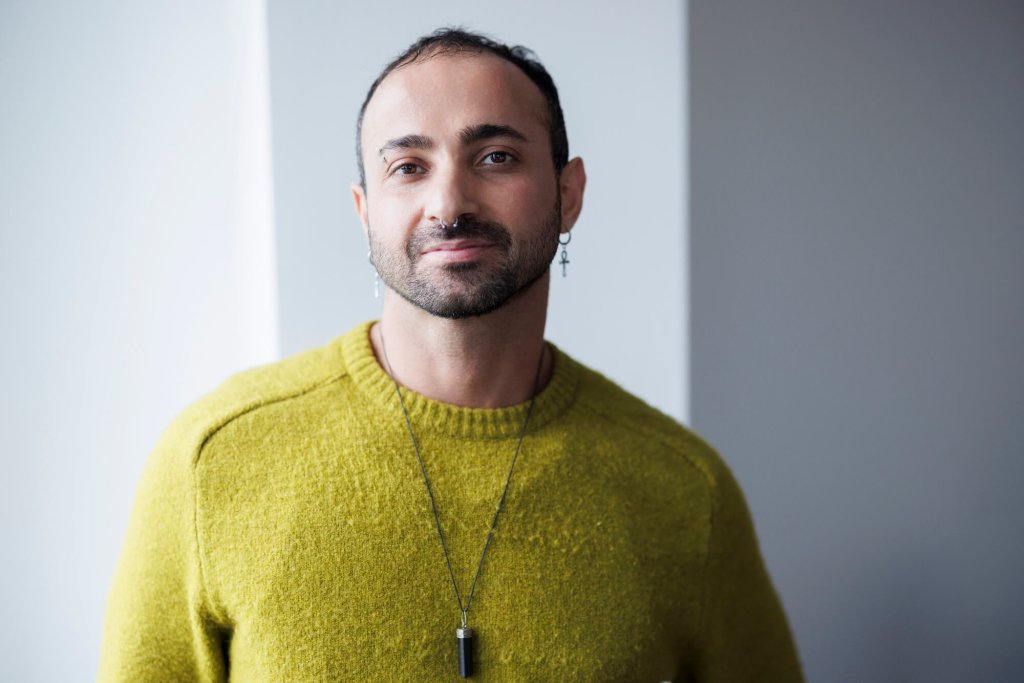
Ibrahim Willeke's situation exemplifies the challenges faced by roughly one million asylum seekers in Germany with a mental illness: According to a recent study, 30% of people seeking protection in Germany suffer from post-traumatic stress (PTSD) and 40% from depression.
However, only a tiny fraction of them have access to therapy, a months-long investigation from Correctiv published Wednesday (December 6) found. The absence of treatment for widespread traumas often leads to mental illnesses and also hinders the integration of asylum seekers into society, the research network said.
What's more, those affected can pose potential dangers to themselves and, at times, to others.
Read more: UNHCR: more mental health support needed for refugees
Absence of (mental) health examinations
Correctiv identified three major problems that contribute to the deficit in mental illness support. The first, according to Correctiv, is the insufficient funding by the federal government, the federal states as well as municipalities for both the identification and treatment of mental health issues.
This deficit is at its worst at the initial reception facilities like the one Ibrahim Willeke stayed at, Correctiv reports. Under EU law, the 16 German states that run these facilities are responsible for examining newcomers' health conditions -- which explicitly includes their mental state.
However, an inquiry by Correctiv sent to the federal states found out that these examinations rarely take place, which means that illnesses of the soul are rarely detected.
Lack of resources, therapy spots
The second major problem, according to the Correctiv investigation, is a severe lack of support and available therapy spots for traumatized asylum seekers suffering from PTSD and/or depression.
Only around 4% of those asylum seekers who potentially need therapeutic help can be treated at so-called psychosocial centers, the government-funded German Association of Psychosocial Centers for Refugees and Victims of Torture (BAfF) said recently. Therapists, social workers and interpreters help asylum seekers at 47 such facilities across Germany.
BAfF Managing Director Lukas Welz called this an "appalling failure" by the government.
"Germany is obliged to provide humane care for people who have survived torture -- this is stated in various agreements and laws to which the state is committed," he's quoted by Correctiv.
Albeit poor overall, the supply situation varies across Germany's 16 federal states. While one in ten asylum seekers who needed therapy received a spot in Berlin, one in 100 had the same luck in North Rhine-Westphalia -- and only one in 200 in Saarland.
What's more, many asylum seekers lack a perspective due to factors like an unclear residence status or a work ban. "This means that Germany is not only abandoning people with the traumas they have brought with them. It is also responsible for further damage," the Correctiv authors wrote.
Read more: Traumatized migrants could lose access to 'essential' psychosocial support in Germany
Psychotherapists in short supply
The third major problem the Correctiv journalists identified is a general lack of trained psychotherapists, which affects all people in Germany.
On average, people with a mental illness have to wait for five months before they can start therapy.
Unsurprisingly, the hurdles are even higher for asylum seekers and refugees. For one, there's the language barrier: Finding a therapist who speaks Arabic, for instance, requires patience and luck. Then, there are bureaucratic hurdles for therapists who cater to refugees.
Another challenge, according to Correctiv, is that not every therapist is trained in the field of trauma therapy.
Also read: Traumatized Yazidis build a new life in Germany
Dangers often go unnoticed
The worst-case consequence of untreated mental illnesses among asylum seekers is the potential for them to become a security risk to others, as the cases of fatal stabbings in Brokstedt from January this year and Würzburg in 2021 showed.
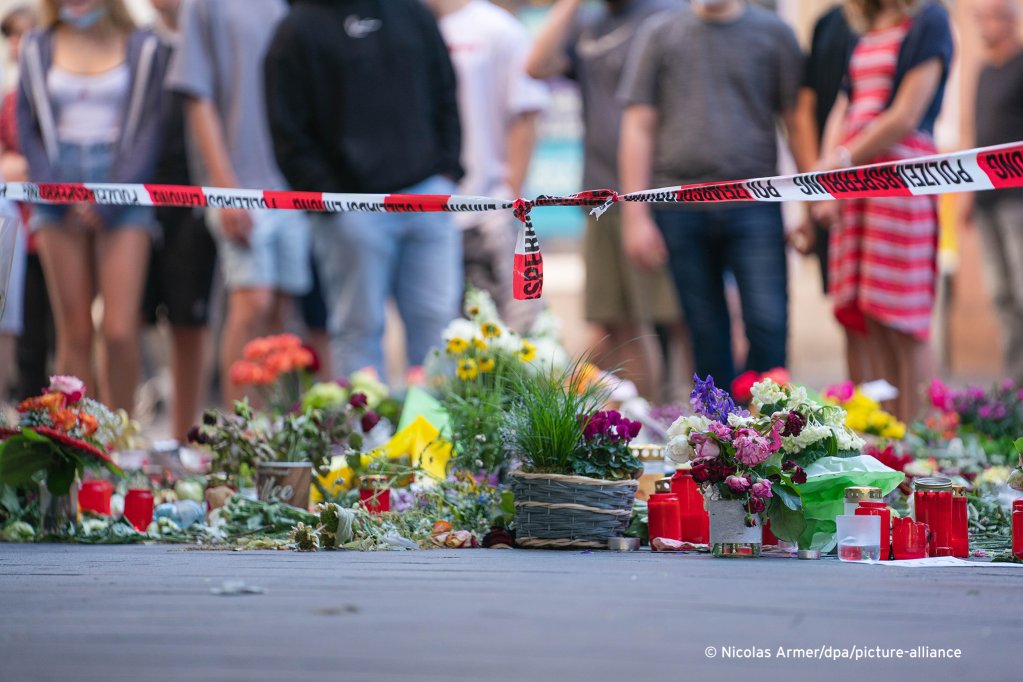
In both incidents, asylum seekers with symptoms of psychosis attacked and killed people at random. Authorities failed to recognize the threat potential of Ibrahim A. prior to the Brokstedt killings, according to the Correctiv investigation.
In most cases, however, asylum seekers with mental illnesses pose a risk to themselves. Many commit suicide, others neglect their children. "In many cases, those affected develop secondary illnesses and become a burden on the German healthcare system," the Correctiv journalists conclude.
Ibrahim Willeke, the gay Lebanese who sought refuge in Germany, is faring relatively well by now. He became a German citizen and married a German. However, he knows he's an exception.
"The way it went for me," he told Correctiv, "it only happens in one of a thousand cases."
Read more: Deadly knife in Germany attack prompts call for better mental health care