
A recent fashion show in Rome showcased the work of eight emerging refugee designers including from Bangladesh and Afghanistan. The initiative wrapped up a course dedicated to them with the support of local health authority ASL 1 as part of the project 'LGnet2'.
A group of political refugees, mainly women between the ages of 30 and 50 hailing from Afghanistan, Bangladesh, Congo, Palestine and Russia on December 1 showcased the clothes and jewelry they designed at a fashion show in Rome.
The Linee (lines) collection, created by eight emerging designers during courses organized by the Center SaMiFo-Salute of the local health authority ASL Roma, debuted in the Sala Alessandrina of Santo Spirito in Sassia.
The collection featured vibrant shades such as orange, olive, sage green, hazel brown, and melange patterns. The designers utilized various fabrics, including wool, cotton, and neoprene, to craft mini dresses, long skirts, asymmetrical dresses with essential lines, and adorned with intricate handmade decorations like macramé. Statement bracelets were among the showcased jewelry.
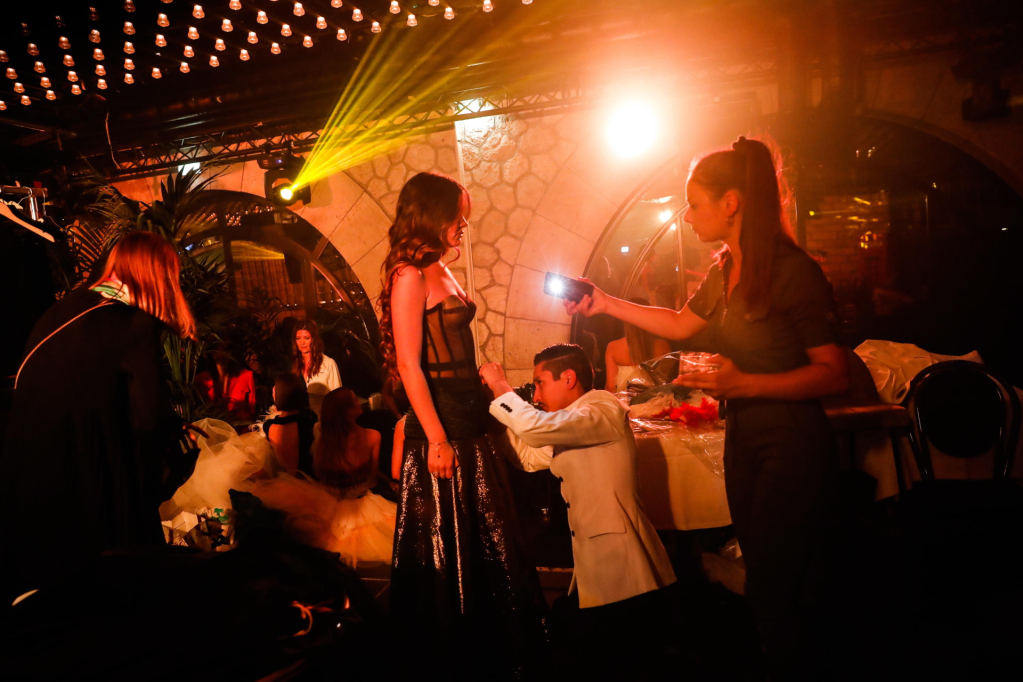
Training program completed in spite of inexperience, language barrier
The refugees were inspired by their personal stories and their culture in designing the clothes and jewelry. The fashion show wrapped up a training program dedicated to migrants to provide experience in the world of tailoring, design and fashion.
The haute couture collection worn by professional models was showcased to launch the aspiring designers who have fled dramatic situations. Once in Italy, they had the opportunity to attend the professional training course in the couture sector held at the fashion school 'Maiani Accademia Moda' under a team of professional teachers.
"I believe that high-level professional training can provide a chance and new inspiration to those who have survived difficult life experiences", said Maria Maiani. "The collaboration with ASL Roma 1 allowed the students in just six months to create high fashion clothes in spite of their initial lack of experience and language barriers", she added.
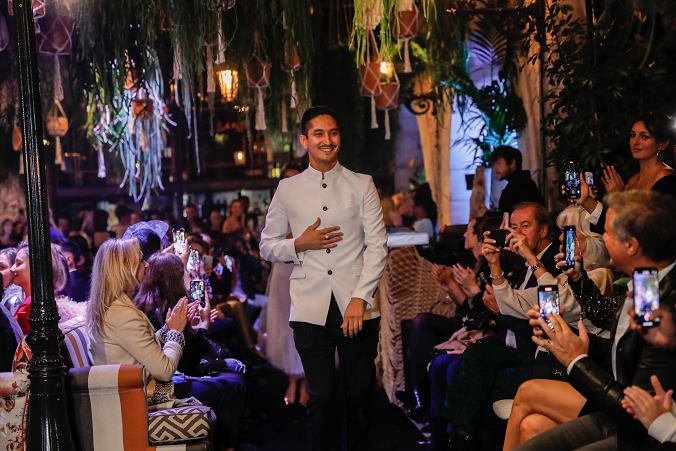
300-hour-long course benefited refugees' health
The fashion show served as the culmination of a 300-hour-long course that not only enriched the refugees' skills but also positively impacted their health. Giancarlo Santone, director of Uosd Health Centre for Forced Migrants of ASL Roma 1, emphasized the broader impact of the project, stating, "We hope it can be the first step towards inclusion in our society, showing that refugees are capable of carrying out useful jobs resulting in products of extreme beauty."
The event showcased the outcomes of five laboratories covering multimedia, cuisine/restaurants, jewelry, fashion, and garden maintenance/social agriculture.