
Thousands of migrants have arrived in Britain after crossing the Channel in small boats in the last seven days. Over the weekend, French authorities also rescued over 200 migrants off the coast of Calais. Crossings have hit the second-highest level on record.
Migrant crossings in the Channel over the last few days have increased once more. According to data from the British government, 1,264 migrants reached the English coast after crossing the Channel in small boats between November 26 and December 2.
The French authorities also picked up 190 migrants off the coast of Calais and brought them back to land after their boats got into trouble on December 2, reported the news agency Reuters. The prefecture for operations in the Channel and the North Sea later added that they had rescued an additional 28 people "at the end of the day."
In a post on X (formerly known as Twitter), the prefecture said that they had been alerted to 28 people in difficulty off the coast of Neufchatel-Hardelot. They said after bringing them on board a French naval ship, they brought them back to land at Boulogne-sur-Mer. They said once there, they were taken in hand by the emergency services and the border police.
Also read: UK loses track of 17,000 asylum seekers
A 'busy day' in the Channel
Since the beginning of this year, more than 28,000 (28,453) migrants have crossed the Channel in small boats, almost rivaling the total for the entire year of 2021: 28,526. This is set to be the second-highest level on record after 2022 saw 45,755 migrants making the crossing, reports the Independent newspaper.
Sunday (December 3) was a "particularly busy day in the Channel," wrote the Independent. All four British Border Force patrol ships were engaged in "escort and collection duties at the same time."
The right-wing tabloid The Daily Mail reported that eye-witnesses had seen "at least seven boat-loads" of migrants "being brought back to Dover by Border Force patrols on Saturday [December 2]."
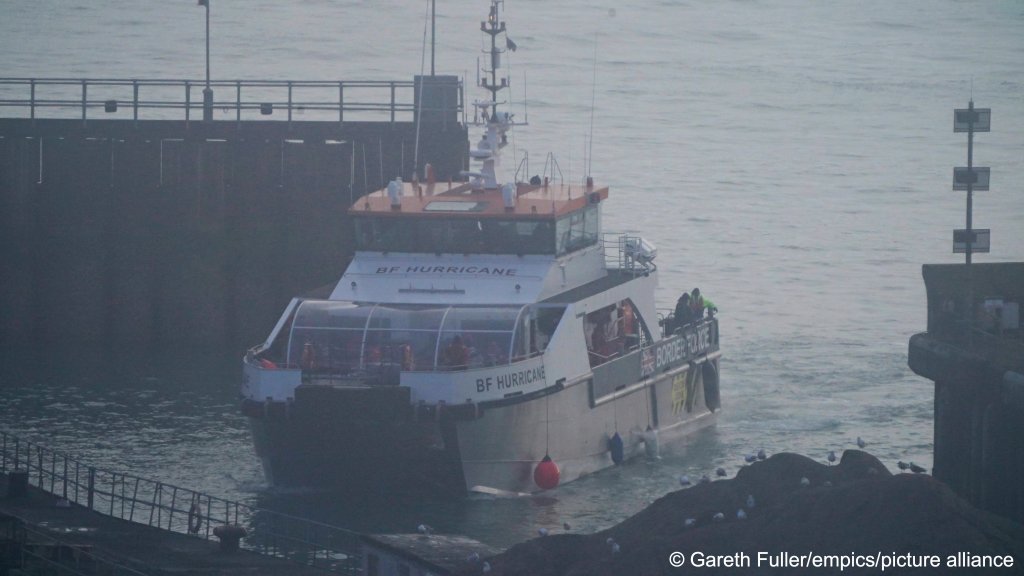
Government promised to 'stop the small boats'
The ruling Conservative government has repeatedly pledged to "fix the broken asylum system" and "stop the small boats crossing," but many of their hardline policies don’t yet appear to have delivered on their promises.
The opposition Labour Party criticized the government for its "asylum chaos." The current Home Secretary James Cleverly, however, said that as a result of the government’s "illegal migration" law and other policies, they had reduced the number of crossings by a third and successfully targeted many of the people smuggling gangs, in joint operations with European police forces and Europol.
A Home Office spokesperson told the Independent: "We are in the midst of a global migration crisis, and that challenge is growing. It is affecting countries across Europe whose numbers continue to grow, but ours are falling. Our priority is to stop the boats – and due to the work of the Small Boats Operational Command, alongside our French partners, small boat crossings are down by a third from the same point last year."
The spokesperson also pointed to the "two tragic deaths in the Channel" in November, and said that was another reason why the government "must disrupt the gangs driving this evil trade."
Also read: Thousands of homeless refugees expected before year's end
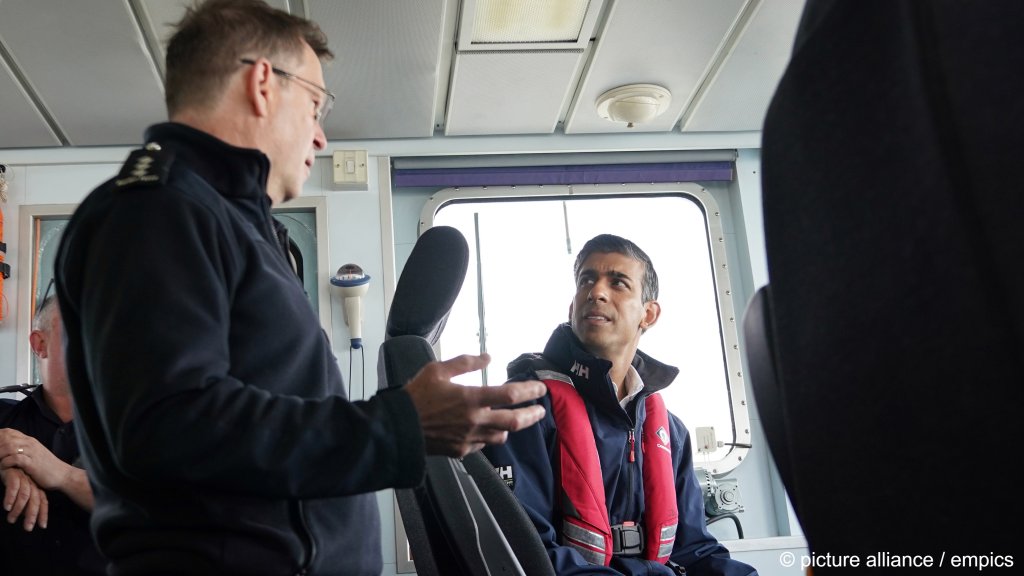
New Rwanda plans?
Last month the Supreme Court ruled the plan as it stands would be unlawful, but the government hopes to show that Rwanda is a safe country and that its new deal should go ahead.
According to reports across several UK media houses, including LBC radio, the government is expected to pay an extra £15 million to Rwanda to seal the new deal. The government has already reportedly paid the Rwandan government between £120-140 million (between around €140-163 million) based on the last round of agreements which were signed by former Home Secretary Priti Patel in April 2022.

According to reports in the right-wing Sunday Times, the current Home Secretary (Interior Minister) James Cleverly is set to fly to Kigali, the Rwandan capital, on Monday or Tuesday this week to finalize the new agreements.
The government hopes that if it can provide enough evidence to prove Rwanda is a safe country, then it might be able to get its new legislation regarding the Rwanda plan through parliament by early spring 2024. It hopes the first flights might take off by mid-April 2024, reported LBC.
'Focus on the mission, not the methods'
Some members of the Tory Party are questioning whether trying to push the Rwanda plan through is really the solution to managing migration. Alicia Kearns, the Conservative chairperson of the Foreign Affairs Select Committee, which examines foreign affairs in parliament, expressed her reservations to the Sunday Times: "We need to move away from the fixation with Rwanda as a silver bullet to tackling illegal migration, as these reports make this even more plain. The findings of the Supreme Court are not easily overcome and it is not beyond the capability of parliament to resolve the challenge in a legally compliant way."
Also read: Thousands 'living in swamps' after extreme weather in northern France
Britain is expected to go to the polls at some point next year. Although a date has not yet been announced, speculation is that an election could be held between May and November 2024. Cleverly himself has also implied that Rwanda is not the "be all and end all" for controlling migration, reported LBC.
"The mission is to stop the boats. That’s the promise to the British people. Never lose sight of the mission," Cleverly told LBC. "There are multiple methods. Don’t fixate on the methods. Focus on the mission."
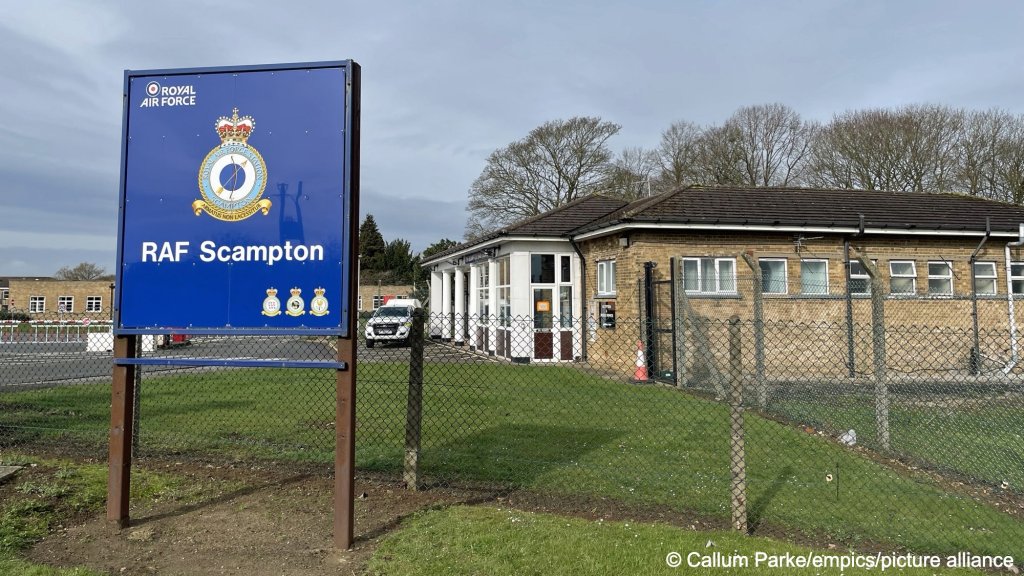
Closing asylum hotels?
Meanwhile, the government is also attempting to relocate as many asylum seekers as possible from expensive hotel accommodation. Government sources claim to be spending more than £8 million (about €9 million) a day on hotel accommodation.
Under current promises, the government hopes to shut down 50 asylum hotels by January. However, according to a BBC report, published late last week, when migrants are moved out of one hotel, they are merely sent to another one.
In a specific instance cited by BBC South East, asylum seekers were moved from a hotel in Folkstone, Kent, to hotels in London and Bournemouth along the south coast. According to the BBC, such moves disrupt the efforts of asylum seekers to integrate, with many being moved from the locations and people they had got to know in one hotel.
Also read: UK charities claim government pushing thousands of refugees into homelessness
One Afghan asylum seeker, who arrived on December 14, 2022, had a traumatic time during his crossing. He spent 25 minutes in the water, and on his boat, where 39 people were rescued, four were confirmed dead, and four were reported missing.
At his hotel in Folkestone, Ahmadi had formed strong bonds with some of the others who had undergone the same experience. He says he went to language school in Folkstone, but in the new location, he doesn’t go out and says he is "not happy."
The Chief Executive of Kent Refugee Action Network, Razia Shariff, told the BBC: "moving them from one hotel to another –especially if it is out of the area—does not deliver on the government’s target of reducing the costs, nor does it help the young men in their transition and integration to life in the UK."