
The French coast guard rescued 201 migrants who got into distress in the English Channel near Calais over the weekend.
France’s maritime prefecture announced on Monday (November 13) that it had rescued a total of 201 migrants off the French coast near the town of Calais over the weekend.
In the case of one group of migrants, reported the German news agency dpa, the engine on one of the boats had stopped, but as the French rescue vessel neared it, some of the migrants on board managed to restart their engine and refused to get on board the French rescue vessel. They then traveled on towards the UK.
In such instances, a statement from the French authorities notes, migrants cannot be forced to board their rescue boats because of the potential risks involved, such as falling into the sea, thermal shock or trauma. For this reason, authorities allowed the migrants to continue on their route, observing them from a safe distance to make sure they didn’t get into any further trouble.
More than 26,000 have made the crossing since January
On November 12, 615 migrants made the crossing from France in 12 different boats, according to UK government data. Since the beginning of the year, more than 26,000 migrants have made it to the UK across the Channel.
Also read: Housing asylum seekers is costing the UK £8 million per day
Data from the French interior ministry show that French authorities stopped a total of 81,000 migrants from making the crossing between January 2018 and August 2023, according to the news site Politico. In that same period, more than 111,000 migrants were recorded to have completed the crossing to the UK. The actual number may be higher, dpa notes, since not all methods of crossing are discovered by the authorities.
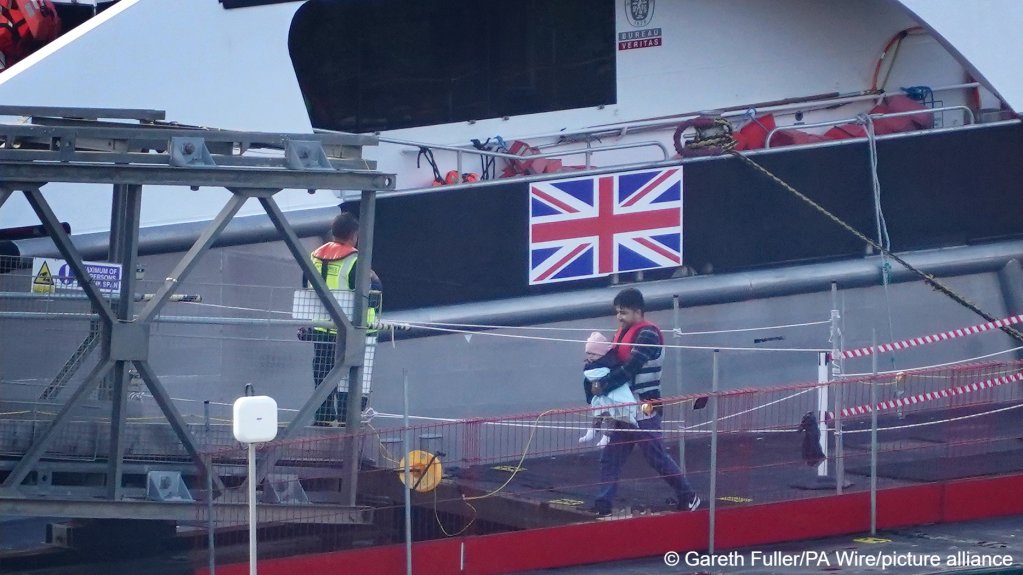
The French authorities noted that hundreds of migrants attempted the crossing on November 11 and 12 during a break in two storms which have been passing over the British Isles and the western part of Europe in the last couple of weeks.
Simon Jones, a BBC journalist who reports regularly on the Channel crossings, noted that the 615 migrants who did make it to the UK did so on former Home Secretary Suella Braverman’s final day in office. Braverman has made it a feature of her time in the post to crack down on migrant crossings to the UK, and is still hopeful that the government’s plan to fly some asylum seekers to Rwanda to have their applications processed there will come to fruition after the Supreme Court ruling on the policy, expected on Wednesday (November 15).
Several different rescue operations
A press statement from the French Prefecture for the Channel and the North Sea on Monday (November 13) said the coast guard had been called the previous evening to help a boat carrying 67 migrants. The group was returned to the port of Calais, arriving in the middle of the night.
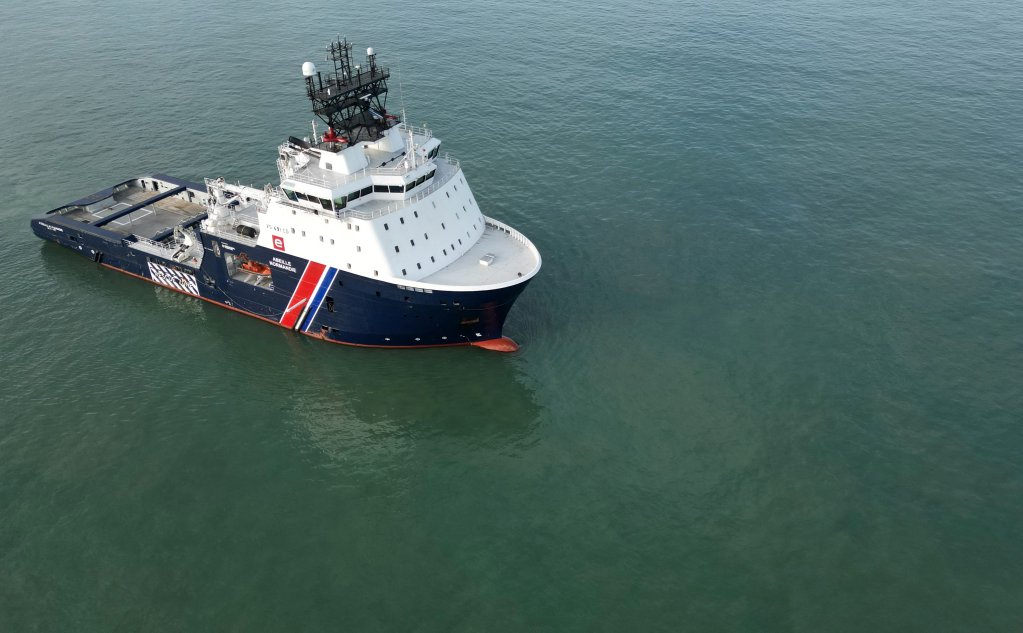
In a separate statement the coast guard said it had assisted another 134 people on November 11 and November 12. One boat was spotted in difficulty off Dunkirk and 21 people from that boat were taken back to port on Saturday night.
Later, in the early hours of Sunday morning, two migrants in a small dinghy were picked up and taken back to Calais. Another boat with 15 people on board was also intercepted. Later that day, another coast guard patrol ship carried out several rescue operations.
On one of the boats, discovered on Saturday night, some of the people were suffering from hypothermia and one fainted due to the cold.
Wet conditions on land too
The situation on land in the area around Calais and Dunkirk has also been described as "catastrophic" recently, after Storm Ciaran ripped across the French coasts last week. Now Storm Debi is expected to release even more heavy rain over the next few days.
Also read: Migrants 'living in swamps' after storms hit northern France
Organizations that work with migrants in and around Calais, like Utopia 56, told InfoMigrants that they have never seen anything like it. They are running out of dry sleeping bags and tents and that "everything is soaked" –tents, the ground, sleeping bags and the migrants themselves. One volunteer described the areas where migrants pitch informal camps as "like living in a swamp."
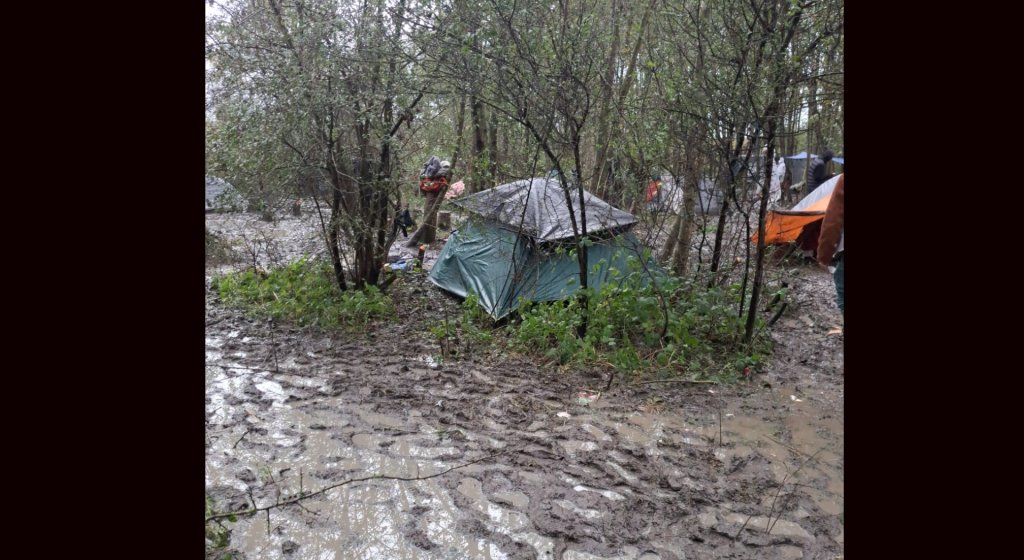
On Monday, the area around Calais was once again put on orange alert because of expected bad weather.
Numbers on each boat are increasing
The British government has pledged to pay more than €500 million to the French authorities to help stop migrants getting into the small boats. But the head of the Office against illegal trafficking of migrants, OLTIM, Xavier Delrieu, told InfoMigrants French in August that the smugglers are "very adaptable" and "know all the police’s strategies to try and stop the boats. The smugglers know our techniques," explained Delrieu.
Also read: UK could fit asylum seekers with electronic ankle tags
The smugglers, said Delrieu, had started to deploy "taxi boats" to board migrants at sea, and avoid leaving inflatable dinghies hidden in the sand dunes, which were often discovered, and destroyed, by the authorities before the smugglers could use them.
French authorities said at the end of this summer that they had noticed that the numbers of migrants being loaded on to small boats was gradually increasing. The average on each boat now tended to be 53, which was double the number on a boat in 2021, they said.
The overall numbers of those crossing in 2023 has been described as "more contained" by Delrieu than 2022 when more than 40,000 people managed to make it to the UK coasts.
With dpa, AFP