
Britain’s major cities are expecting thousands of newly recognized refugees to be made homeless by the end of December, reports the street newspaper, The Big Issue.
Newly recognized refugees in the UK are falling into a gap that could see thousands left without shelter before the end of the year. Under the current government rules, asylum seekers are provided with accommodation and housing, but they have to leave their accommodation when their status changes from being an asylum seeker to having their refugee status confirmed or denied.
The British government has been complaining that asylum seeker accommodation costs up to £8 million per day (about €9.2 million).
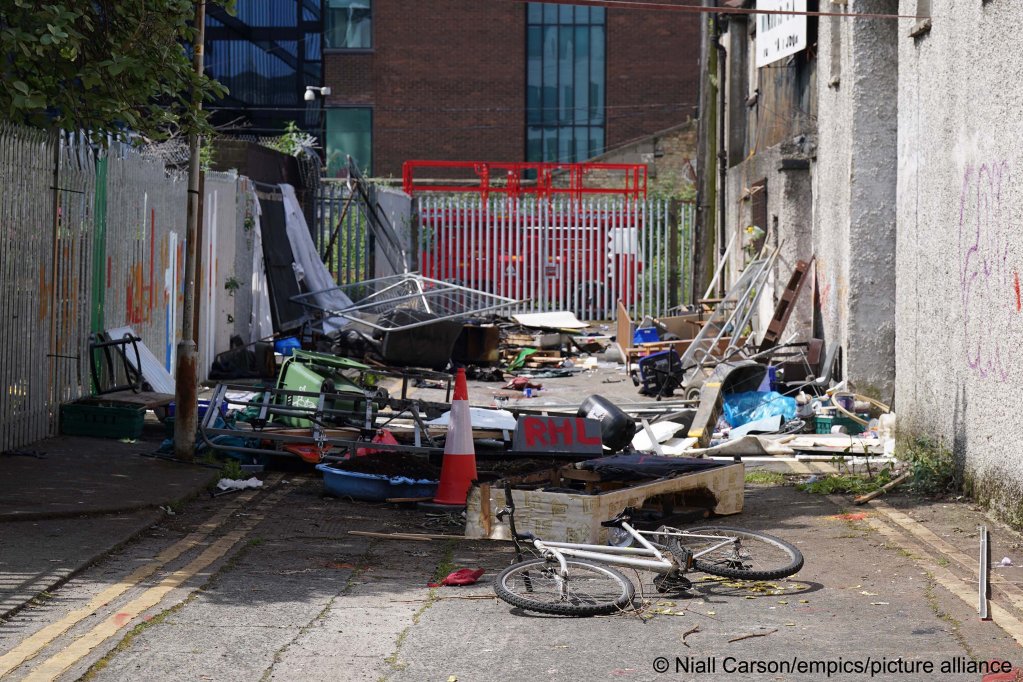
Charities have pointed out that the problem for thousands of people in this position is that there is often at least a 30-day gap between the day they are forced to leave their asylum seeker accommodation and when the new welfare provisions attached to being a refugee kick in, meaning that they become homeless in the interim.
Tens of thousands could be at risk of homelessness
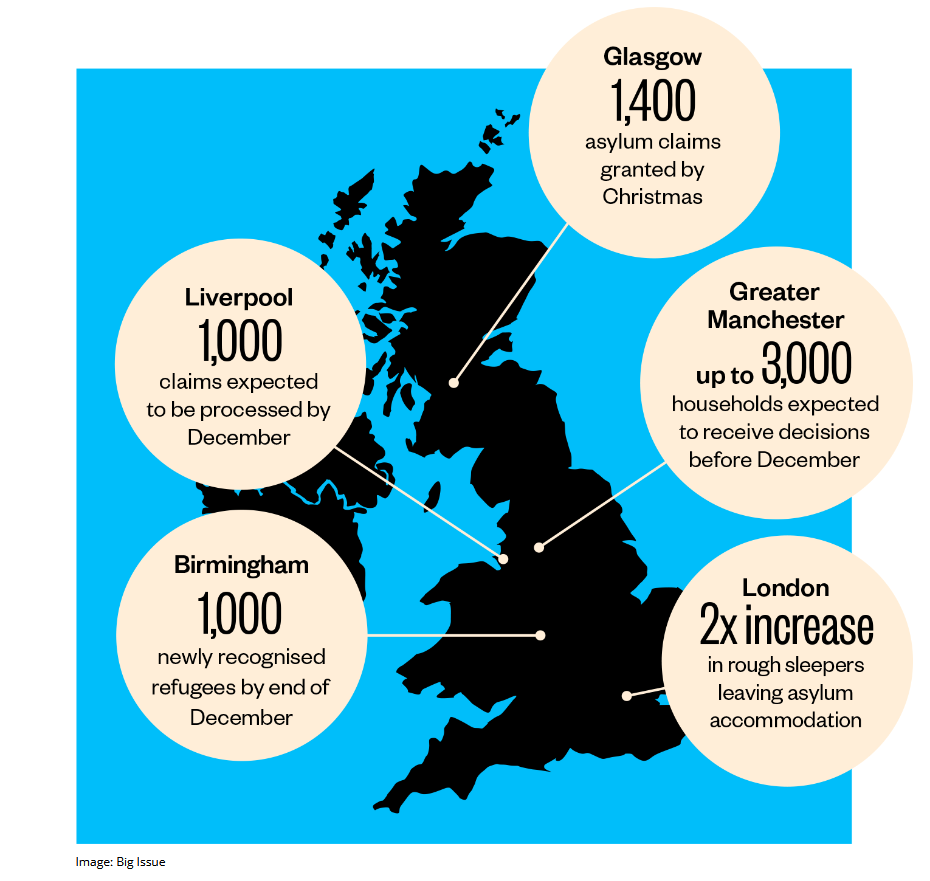
In a recent report, the street paper and social enterprise The Big Issue said the government has warned big cities that at least 6,900 people are likely to receive decisions and therefore be evicted from asylum accommodation by the end of the year.
Liverpool and Birmingham are expecting at least 1,000 asylum seekers to have their claims processed and potentially fall into this problem by the end of December. In Glasgow, numbers will be 1,400 and in Greater Manchester, up to 3,000 asylum seekers are expected to receive decisions by the end of the year.
Also read: Accommodation troubles continue for Afghan refugees in the UK
But according to the Big Issue, in reality, the figures could be much greater. The Home Office promised in August to get through over 55,000 asylum decisions by the end of December. That could mean that tens of thousands of newly recognized refugees and rejected asylum seekers could be at risk of homelessness, reports The Big Issue.
Voluntary services are "running out of food, turning destitute refugees away, and resorting to handing out sleeping bags," reports the paper. Leaders of local government councils around the country have written to the British government to outline their concern and ask for changes in the policy.
Attacks on homelessness by former Home Secretary
The former home secretary, Suella Braverman, who was sacked on Monday, recently suggested that homelessness was a "lifestyle choice."
Her controversial statement came to explain why she was pushing to restrict tents for rough sleepers on Britain’s streets. But while she claimed there were "options for people who don’t want to be sleeping rough," many local authorities have said they find it difficult to provide for the numbers being rendered homeless by government policy. They have also pointed out that as an asylum seeker is ejected from Home Office-supported accommodation, they then get added to the list of homeless that local authorities are required to pay for, thus moving the funding required from government coffers to local authority coffers.
Also read: Homeless migrants targeted by UK government's new immigration rules
Huge asylum backlog
The UK government has repeatedly promised to clear a huge backlog in asylum processing by appointing more staff. But now the claims are being examined, a new problem has opened up, even for those who receive the news that they will be recognized as refugees.
"To minimise the risk of homelessness, we encourage individuals to make their onward plans as soon as possible after receiving their decision," the Home Office told The Big Issue. But for thousands, including an Iraqi family interviewed by the paper, a new housing solution can be hard to find.
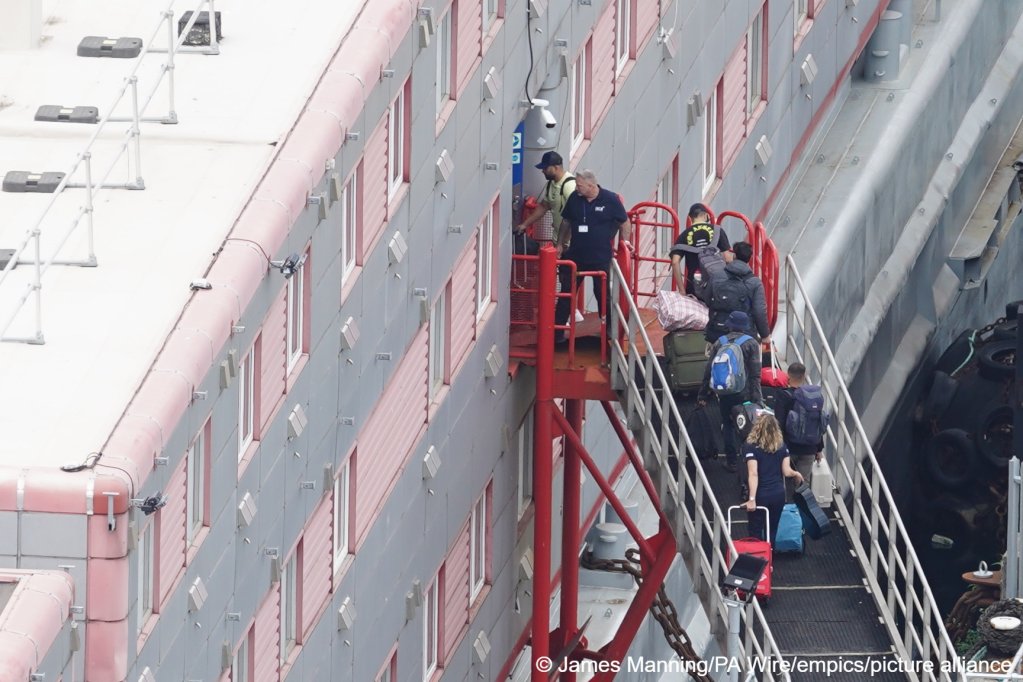
"I am really worried for my pregnant wife," explained Ali*, an Iraqi who arrived in the UK in August 2021, and was granted refugee status earlier this year and told to move out of the accommodation provided to him, his family and his young son in September.
Ali's story
Since then, Ali and his family have been moving between hotels, unable to find anywhere more permanent to live. His wife needs to have frequent hospital appointments for complications with her pregnancy. "She has to go to the hospital for appointments but it is not good for her to travel such long distances," explains Ali. "She is crying every day, I don’t know what to do or how to help her. I feel like we are living a nightmare," he told The Big Issue.
Ali and his family are being supported by the charity Freedom from Torture in the UK, which helps survivors of torture. Ali says that they have lost any sense of safety in the UK and have no idea where they will be moved to. "I feel we have been treated worse than when we were asylum seekers," he says. "We had no time to prepare or plan to move, to sort our finances or our belongings. We have less stability right now."
Ali and his family are not alone. Charities have been highlighting this issue for months and calling on the government to extend the time between issuing someone with an asylum decision and asking them to move out of the accommodation provided.
Extend the transition period, urge charities
In an open letter, charities asked the government to provide at least 56 days grace period, instead of the current 28 days, to allow for newly-recognized refugees to obtain the residency cards (Biometric Residence Permit --BRP) they need to apply for the new welfare system they would be governed by once they are refugees.
The problem has been further exacerbated, say charities, because the Home Office begins the 28-day countdown once a decision has been issued, and not once the refugee has received the BRP. Sometimes the first a refugee hears about needing to leave the accommodation is when they receive a final-seven day notice to quit.
Also read: UK charities claim government policy pushing thousands into homelessness
Refugees cannot apply for accommodation, welfare, or benefits without the BRP card. In a statement to InfoMigrants in September, the Home Office said that anyone who hadn’t yet received a BRP could remain on support, but in reality, charities say that many are falling through the cracks and remaining destitute after being turned out of their accommodation.
Fearing eviction
In August, one woman told The Guardian newspaper that she had been granted refugee status after being found to have been a victim of human trafficking. She said her hands "were shaking" when she was given seven days to move out of her accommodation along with her 13-year-old daughter.
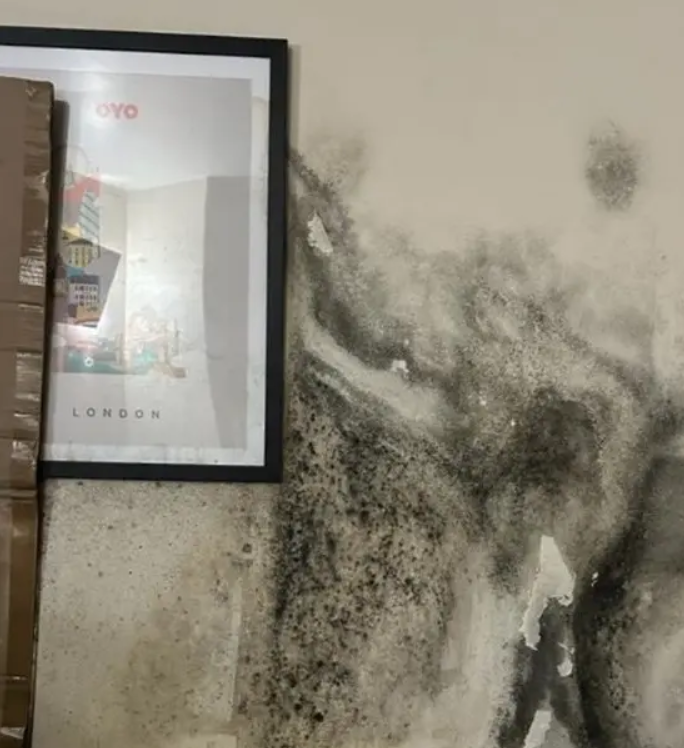
The woman said she had immediately started packing but couldn’t sleep as she knew how long council house waiting lists are. Church charities in London have also reported that more and more refugees are arriving at their welcome centers either already sleeping rough or fearing eviction as their status changes.
Also read: London churches express alarm at numbers of homeless refugees
Another problem can arise when refugees and asylum seekers are provided with temporary housing, but this new accommodation is a long way from the schools, networks and support they established in the areas where they had been staying as asylum seekers.
Ravishaan Rahel Muthiah, the communications director of the Joint Council for the Welfare of Immigrants called the situation "another ill thought out, disingenuous and frankly obscene measure to improve figures on asylum without any regard to the human cost." The Council’s lawyers say they have seen a “distressing” increase in clients at risk of homelessness.
'Cynical and inhumane'
"Despite recognizing the legal right of these people to be here, the government is willing to condemn them to homelessness. This can only be described as cynical and inhumane," council authorities in Birmingham told The Big Issue.
In Liverpool, a center helping asylum seekers and refugees, Asylum Link Merseyside, said that for the first time its kitchen, which cooks food for at least 200 asylum seekers a day, had run out of food at lunchtime. Ewan Roberts, an employee at the center, said that they had resorted to giving out sleeping bags to help protect people against the cold weather.
In 18 years working at the center, Roberts said he had never seen anything like it. "Something’s rotten," he told The Big Issue. "It’s utterly shocking that we allow people to get into this state."
Because he has constantly had to move, Ali is now unable to make his hospital or therapy appointments. "I feel so confused, and I have lost the ability to think clearly or plan, or even believe things will get better," he said.
"Day by day things are getting worse. Where is the help for us? Where is the security and safety of my pregnant wife and child?"
This article was based on one published in the Big Issue by journalist Greg Barradale
*Name changed by The Big Issue to protect his identity