
After one of the most violent anti-migrant marches in Cyprus in recent years, migrant business owners targeted by the xenophobia on the island’s second-largest city, Limassol, have called for peace.
Molos Avenue, Limassol - As the light becomes softer and the heat subsides at the end of the afternoon, the first customers of the evening sit down at the outdoor tables of restaurants. A man behind the plastic tables of Cairo Food applies layer after layer of white paint on the wall with a roller, trying to erase the black traces left by smoke on the restaurant’s façade. On the other side of the terrace, the small glass wall separating the Egyptian restaurant from the sidewalk is broken. The signs of a xenophobic protest which took place here three weeks earlier are hard to remove.
Around 200 Cypriots marched down this major seafront strip on September 2 to protest against the presence of foreign nationals in the city. After chanting racist slogans at the beginning of the demonstration, the participants began vandalizing property. The damage in the aftermath of the protest stretches several hundred meters, with the windows of restaurants and grocery stores run by non-Cypriots cracked or completely smashed. Burnt leaves and a carbonized tree trunk are evidence of the Molotov cocktails used that night.
Anticipating the demonstration, the owners of one of Syrian restaurants lining the avenue had closed the establishment the evening of the protest. "Around 9pm, I received a call. I was told to come to the restaurant," says one of its employees, who prefers to remain anonymous. "I arrived at the same time as the firemen. There was a lot of smoke inside, and most of our windows were broken."
Also read: Cyprus: migrant community reels after violent racist attacks
'The police didn’t do anything'
The surveillance footage of Cairo Food, situated just a few minutes away, shows the events of the evening: demonstrators first smashed the windows with heavy objects. Following the initial breach, the protesters then threw Molotov cocktails inside, setting the establishment alight. "Fortunately, the flames didn't reach the kitchen, where the gas is stored," said the owner Mohamed. "But all the tables and chairs on my terrace were burnt."
Besides restaurants, the mobs also targeted certain individuals. A Syrian man sitting nearby on the beach was severely beaten. "We're going to throw you into the sea," shouted his attackers, according to witnesses quoted by the Cyprus Mail.
According to Yiannis Papadakis, professor of sociology and anthropology at the University of Cyprus, the attacks took place "in front of the eyes of the police, who were over-armed, but who stayed 150 meters away from the procession and did nothing." Papadakis confirmed he had seen "hooded men smashing windows and setting fire to stores and garbage cans" from the balcony of his apartment overlooking the avenue on September 2. Some were carrying "Refugees not welcome" signs. While no arrests were made that evening, 13 people linked to the rampage were arrested the following day.
"Of course I was scared that night," said the employee of the Syrian restaurant that was set on fire. "We never wanted all of this. We’ve never had any problems, and we don't want to cause any. But since that night, we've installed cameras."
'Too many foreigners'
The violence perpetrated in Limassol, the country's second-largest city, is not a first for the island. Similar demonstrations took place a few days earlier, on August 27, in Chloraka, a city 70 km away. The villagers marched through the streets, protesting against the "ghettoization of their village." Like in Limassol, small groups of protestors, faces hidden by balaclavas, ransacked businesses run by foreigners and assaulted people. Among those targeted by the violence was a Cypriot woman trying to protect a Syrian child, according to the region's former deputy Charalambos Pittokipitis.
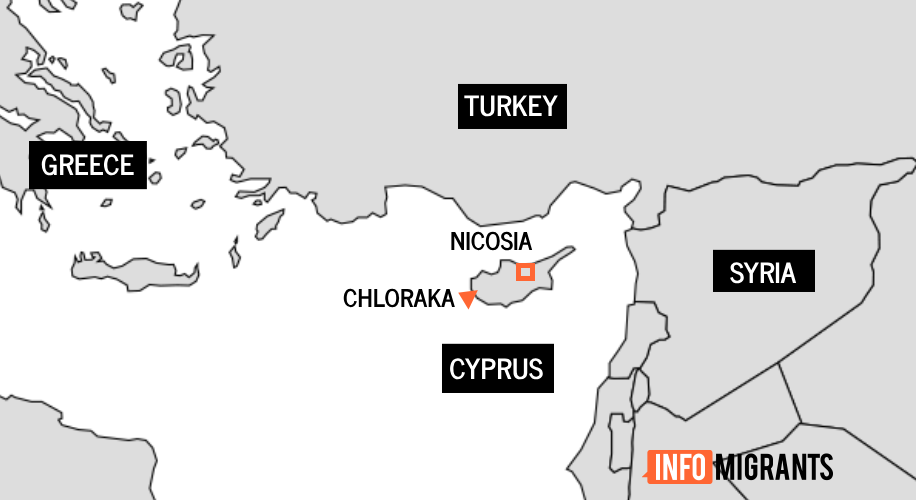
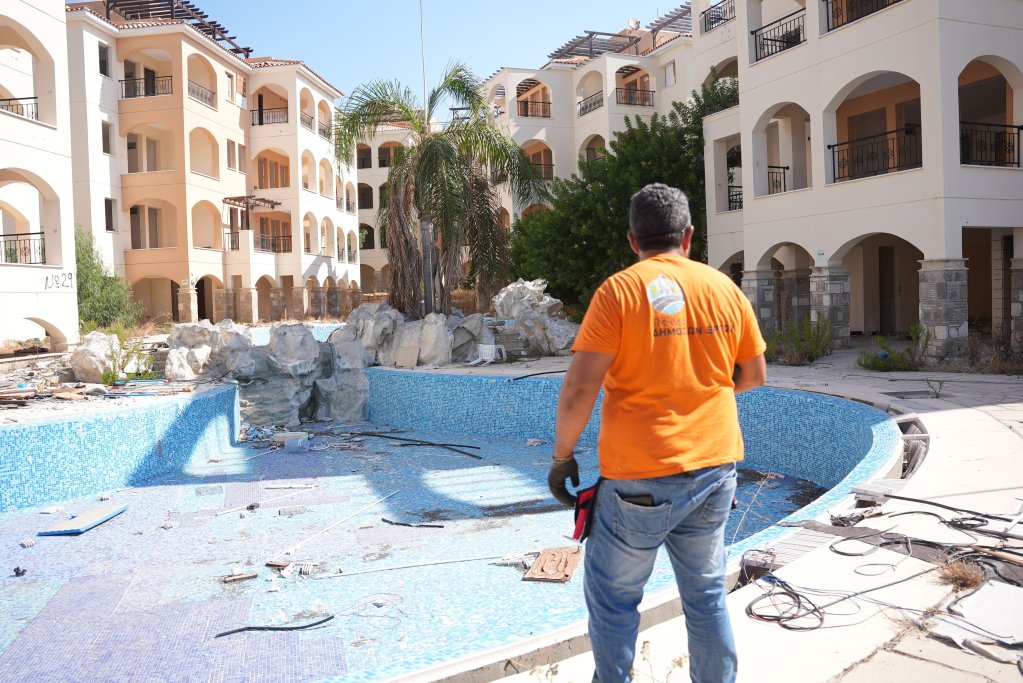
The demonstrations came after Cypriot authorities removed around 600 asylum seekers from a condemned apartment complex five days earlier. The apartment complex of nearly 30 buildings had been a refuge for asylum seekers from Syria and sub-Saharan Africa since 2020.
In recent months, tensions have been growing in the village, with each "side" deploring their situation: the asylum seekers demanded to be housed with dignity after the municipality cut off the water and electricity within the complex, while the locals called for the rapid eviction of the building’s residents.
On August 22, the authorities finally responded to the resident’s demands, evicting the migrants from the complex, without offering them alternative housing. Today, "the apartment complex is completely empty", said a police officer based in Paphos, a town which borders Chlorakas. Workers were putting up a wire fence while a police patrol ensured that no one entered the area. "The problem here is that there are too many foreigners," he says. "It’s true, we need some. But not this many."
The Cypriot authorities since 2021 have been hosting the largest number of asylum seekers in the European Union, in proportion to the population. According to Nicosia, asylum seekers now account for almost 5% of Cyprus's population of 915,000 inhabitants.
'Xenophobic policy'
This state of affairs has been "regularly put forward and used by the government over the last few years to serve its xenophobic policy," said Papadakis. "When the former minister of the interior says asylum seekers are a weapon used by Turkey, the sworn enemy of Cyprus, it inevitably instills hostility and even racism in people's minds." The former interior minister, Nicos Nouris, accused Ankara of "instrumentalizing" migrants and encouraging them to cross the border in February 2022.
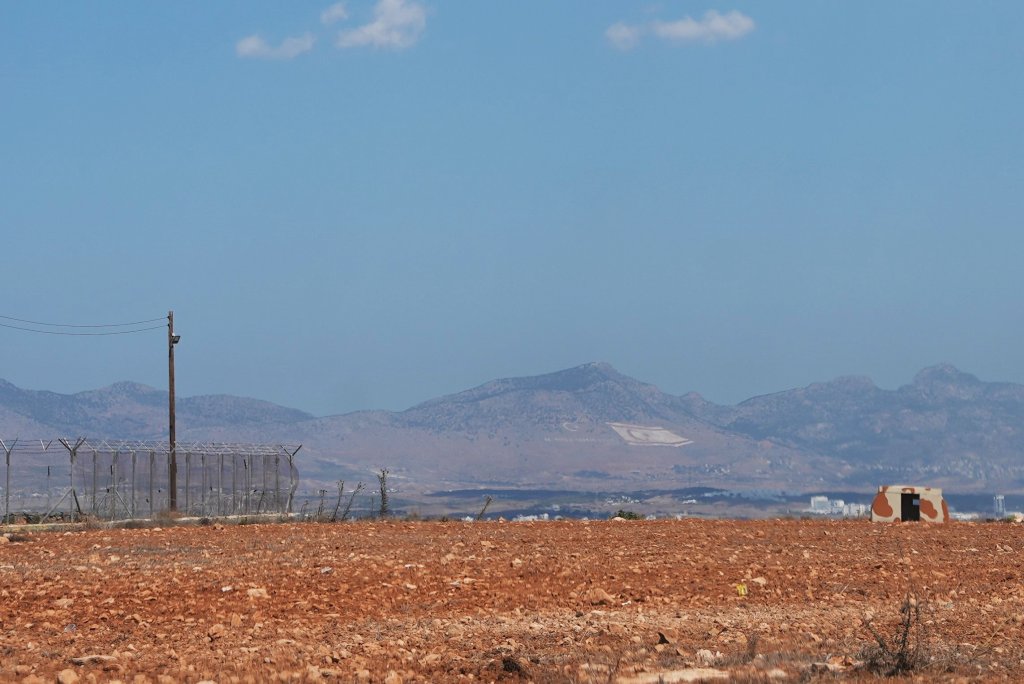
The vast majority of migrants arrive on the island of Cyprus from its northern part, administered by the Turkish state. Syrians from Turkey disembark by boat, while sub-Saharan Africans arrive on student visas paid for in their countries of origin. All of them then proceed in crossing the "green line", the border that separates the Turkish and Greek territories.
After the violence in Limassol, the government "failed to act", said Papadakis. "The state did not admit that violent racist attacks had taken place, and did not formally condemn them. Yet what happened here in Limassol is very serious. It is one of the most violent political events Cyprus has seen in decades."
The Minister of Labor, Yiannis Panayiotou, provided yet another point of view. "Without migrant workers, the Cypriot economy would collapse," he told the Cyprus Mail on September 4. "A total of 110,000 third-country nationals are currently working legally on the island — and paying social security contributions, compared to 340,000 Greek Cypriots," the minister added.
On Molos Avenue in Limassol, Karim hasn't changed his habits and "doesn't want to hear about the riots anymore." The young Syrian who arrived in Cyprus three years ago runs a barber shop. "The violence won't happen again," he said, while cutting off a strand of his customer's dark hair. "We Syrians are part of Cypriot society, we don't want to cause trouble. We just want to live in peace."