
Children and families seeking asylum in the UK face inadequate living conditions in government-provided temporary housing, according to Human Rights Watch. A report by the organization says this affects their health, well-being, and education.
Seven people sharing one room, rats, mold, and unsafe environments are some of the conditions regularly experienced by asylum seekers placed in temporary accommodation in the UK. In a report published on September 14, the organizations Human Rights Watch and Just Fair have called out the "dire conditions" in which many asylum seekers are being asked to live in government accommodation.
"Here we feel penned in like we are animals," commented one family from El Salvador who had been living in a hostel for eight months in 2022. A 15-year-old in the family likened their room to a "prison. I have no space to myself, and no privacy from my family. I do all my homework in my room. We eat all our meals on the floor of the room. I am sick of living like this."
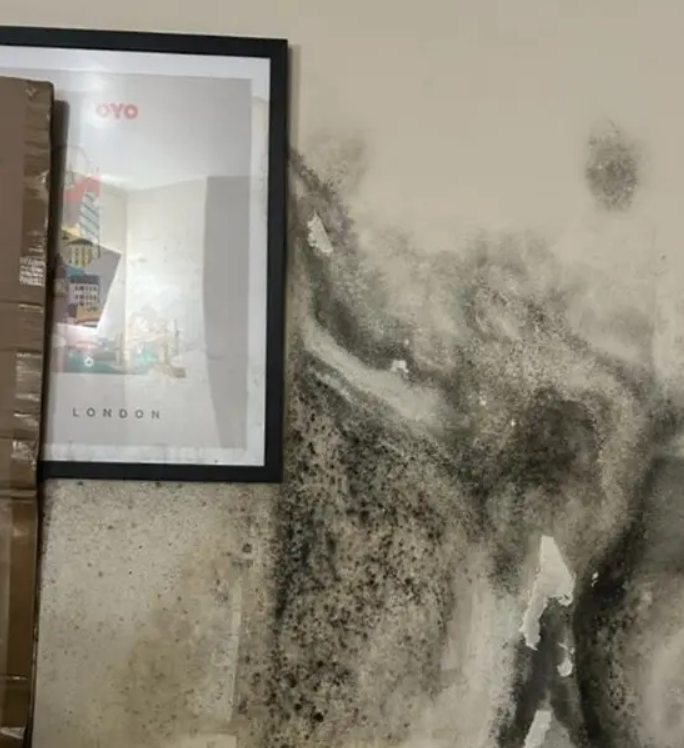
A 14-year-old boy from Iran who was living with his mother told the report authors "I feel very claustrophobic, like I am suffocating." His mother added that they spent their lives on their two beds. The close quarters had also affected her relationship with her son. The lack of privacy created a lot of arguments between them on arrival in the UK.
Mice run around on the floor
Another boy from Iran and his mother were assigned a room with just one double bed after they refused the first room with two singles on the grounds it was so dirty. The son left the bed for his mother and said he sleeps on the floor on a blanket where mice regularly run around.
Also read: Backlog of asylum applications in UK reaches record high
The organizations criticize the British government for "longstanding policy failings and wasted resources" as well as "funding cuts," all of which have created a perfect storm, meaning that many children and families seeking asylum are living in inadequate conditions in temporary housing.

In the government’s guidelines, families should only be placed in temporary accommodation for a maximum of 19-days, but HRW say they are often living in temporary emergency accommodation for a year or more.
'Six hours a day spent traveling is making me so tired'
One couple from Vietnam with their three children aged 1, 11 and 17, arrived in the UK in March 2021 claiming asylum because of political persecution in Vietnam. The family was housed in various London hotels for over two years. For the first nine months, the 17-year-old had a two-to-three hour commute by bus each way to reach the school in which they were enrolled.
The journey took such a toll that she was worried she would fail her A-Level exams (taken at 18 in the UK and needed to enter university.) "Six hours a day spent traveling is making me so tired…." she said. "I get home after the long journey and have no energy or concentration left to study. I just want to sleep."
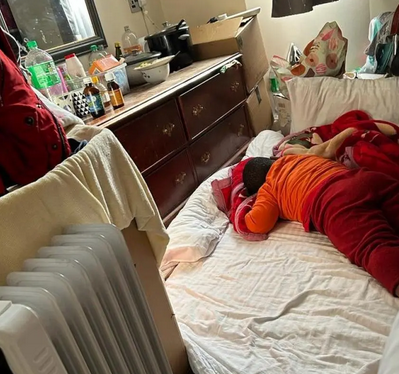
The conditions are "affecting their health, well-being and access to education," according to the report. In some places there are no facilities to cook, and children often refuse to eat what is provided. This can lead to mental and physical health problems and cause serious disruptions to children’s education, it says.
'Government policy directly damaging their health and well-being'
Jess McQuail, director of Just Fair, says that "government policy is directly damaging the health and well-being of vulnerable children and their families who have come to the UK seeking safety."
Just Fair and HRW found that the British government had wasted some of its resources set aside for asylum seekers on efforts to send them to Rwanda and had also made cuts to legal aid and other funding.
The two organizations interviewed more than 50 people seeking asylum in the UK, including 27 children. All of them had been living in temporary housing in towns across England. All of the interviewees said they appreciated the support from the government, but that their mental and physical health had been affected by the conditions in which they had been placed.
Also read: UK government to fine those employing unauthorized migrants
Health professionals are warning that an "increasing number of children in temporary housing suffer from malnutrition and other health issues," the report said. Many of the parents interviewed reported weight loss in their children after living in temporary accommodation.

One father of a family staying in a hotel in east London said that he had resorted to going to two different food banks every week to source fruit and vegetables for his daughter.
Other children have reported similar experiences. The food on offer has been described variously as "insufficient and unhealthy." Some people said it was undercooked.
'He's crying all the time, sometimes he won't leave his room for two days'
A woman from Libya spent four months in temporary accommodation with her family. She said her 14-year-old son found things particularly difficult. "He’s crying all the time; sometimes he won’t leave his room for two days," she said.
The woman said that her four children all missed at least a month of school when they were first assigned accommodation. After the first month, she and her husband managed to enrol three of the children in a local school, but her eldest child was told there was no place for him.
Later, the family were moved 125 kilometers away to another town, where the family once again had to wait a month before the children could be enrolled in school.
Access to education has become a huge issue for many families. According to the report, the Home Office "does not appear to take into account the educational needs of children when it assigns temporary housing."
That means children in some cases have to wait for the remainder of the school year before they are able to sign up to classes. "I feel so hopeless and heartbroken about this," commented a 14-year-old boy from Afghanistan, who had been unable to attend school for several months on arrival in the UK.
Human rights concerns
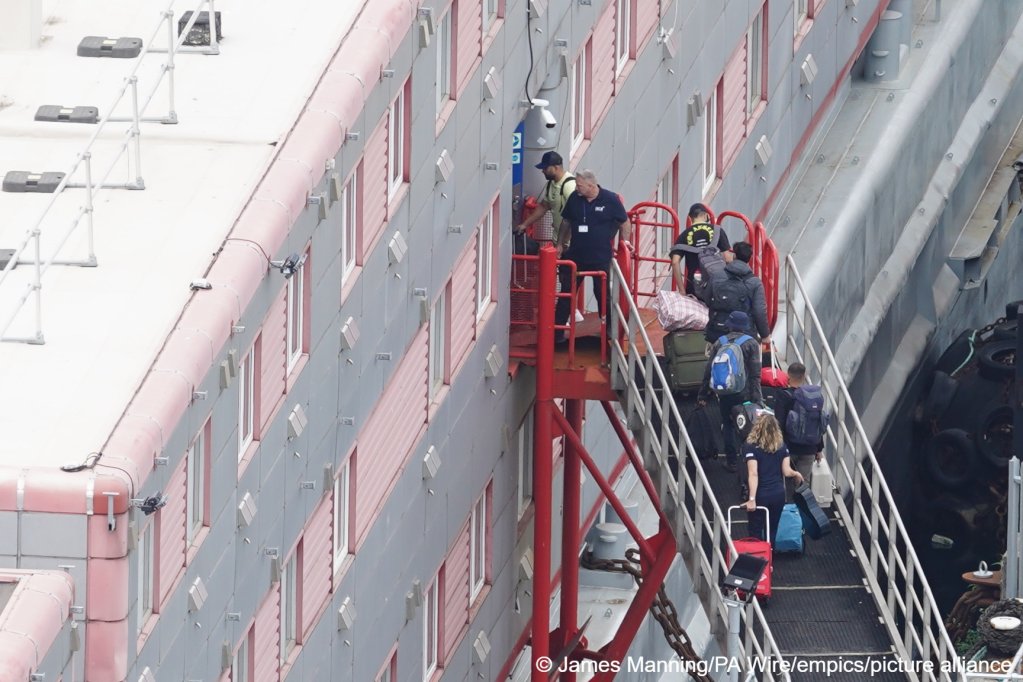
The organizations say the government’s overall approach to asylum raises human rights concerns. They cite the example of trying to accommodate adult male asylum seekers on board the Bibby Stockholm barge moored in Portland harbor.
The barge took longer than they had predicted to refurbish, then as asylum seekers were due to move on board in August, fire officers warned of "safety concerns" likening the vessel to a "potential deathtrap." Eventually, after some of those concerns were addressed, a small number of asylum seekers were moved on to the barge, only to be moved off again days later, after inspectors found traces of the Legionella bacteria in its water system.
HRW has called on the government to ensure that asylum seekers, in particular those with children and families, are moved into long-term houses and flats as quickly as possible.
The report add: "Barges, barracks and similar large-scale institutionalized settings share the serious shortcomings of repurposed hotels and should not be used as asylum housing in the UK."