
Endemic corruption in Bulgaria affects many levels of society – and migration and asylum processes are not immune. InfoMigrants investigates an illegal industry "too profitable" to be stopped.
The Balkan country of Bulgaria is located on a major route for migrants from the Middle East and Asia hoping to reach other European countries.
Corruption plays a significant role in migrant smuggling, border crossings and refugee settlement in Bulgaria. Paying out bribe money to border police to continue a journey to western Europe – or paying government workers to secure a faster asylum settlement – is nothing new in the Balkan country.
Diana Dimova heads the Bulgarian human rights organization Mission Wings and has worked with migrants for 10 years. She says corruption in Bulgaria is rampant and permeates "all levels" of society, adding that she has encountered many horror stories in her consultation room.
"The figures are staggering. We have thousands of stories," she told InfoMigrants on August 22.
"In morgues, information about the deceased is being traded [for cash] --Diana Dimova, Head of Mission Wings
"We have recently heard the shocking information that even in morgues, information about the deceased is being traded [for cash]," she said, referring to testimonies they have gathered from refugees and migrants.
A woman from Afghanistan, who had been searching for her missing brother for 11 months, shared with Mission Wings that she had been coerced into giving nearly €2,000 ($2,150) to various officials responsible for identifying and storing the bodies.
"For showing one photo of a deceased person – between €30 and €40 [$32-$43] – for opening one folder or file of a deceased person – €100 [$106]," she said.
Smugglers, traffickers way more advanced than authorities
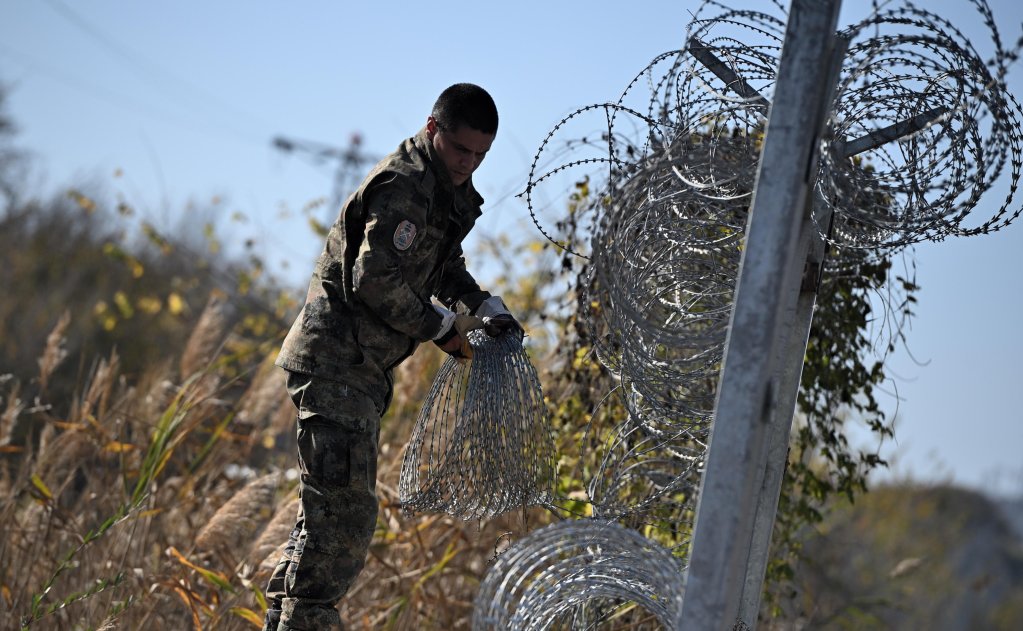
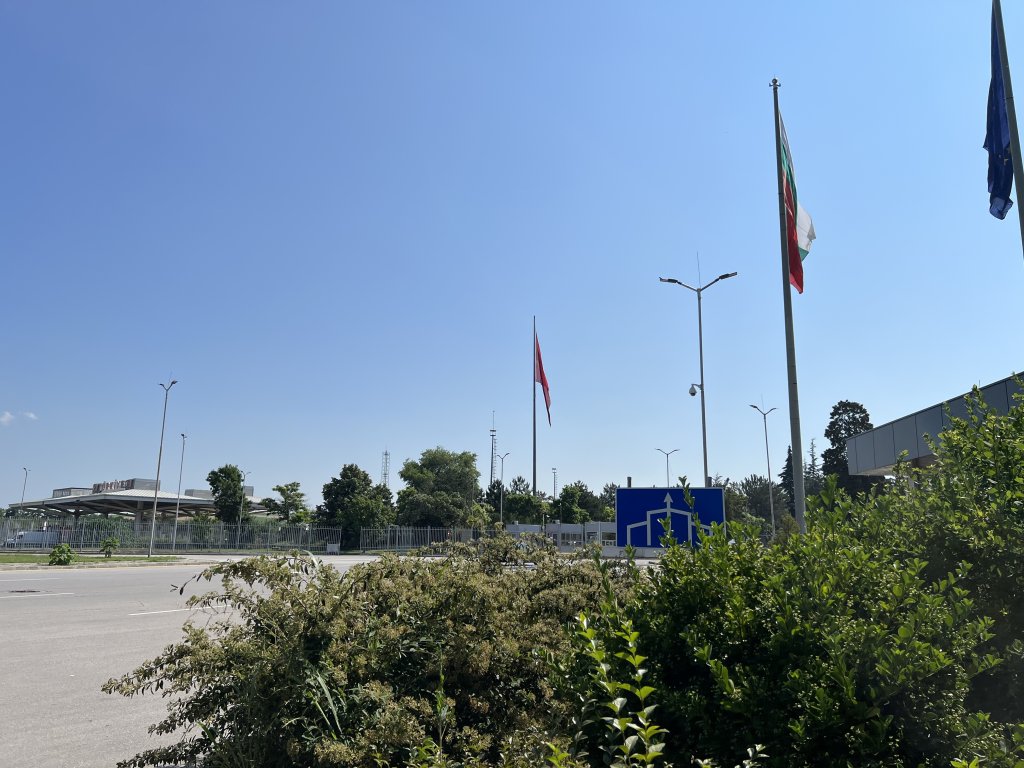
Bulgarian authorities in the past year have bolstered surveillance and security at the country's border fence with Turkey. Bulgaria is seeking to be admitted to the Schengen visa-free travel zone by the end of 2023 – and must first promise to stem irregular migration flows to the rest of the continent. But with the help of human traffickers and smugglers – as well as corrupt officers – many migrants still manage to enter.
Abdullah* is a young Syrian awaiting his asylum status at the Harmanli Refugee Reception Center close to the border with Turkey. When he is granted a temporary visit to Sofia, he uses the opportunity to do odd jobs and earn some money. He arrived in Bulgaria almost a year ago empty-handed.
"People who arrived are all victims of smuggling, which means that they paid money to get here," he told InfoMigrants. As with many other Syrians at the camp, relatives abroad in countries such as Turkey and Saudi Arabia send him money every now and then to support him.
"The Bulgarians are taking [money] from us" --Abdullah, Syrian migrant in Bulgaria
"We know that the European Union is giving money to the Syrians, like aid, but the Bulgarians are taking it from us," Abdullah told InfoMigrants.
Bulgaria: High levels of perceived corruption, Transparency International
Hamid Khoshseiar, a coordinator and interpreter at Mission Wings, warns migrant smugglers and human traffickers are "working much better" than any authoritative body or NGO in the country.
"They have a very good network of finding people and they know the procedure very well," he told InfoMigrants.
Bulgaria ranked 72 on Transparency International's 2022 Corruption Perceptions Index – it has one of the highest levels of perceived corruption among EU member states.
The country has seen five electoral cycles in the last two years, with discussions about high-level corruption dominating the nation's politics. Boyko Borissov's rule during the majority of 2009-2021 was marred by corruption scandals. The former prime minister was arrested in March 2022 on suspicion of misusing EU funds.
Endemic corruption in Bulgaria has also been connected to the judiciary's lack of independence, with the prosecutor's office long accused of acting as a machine of Bulgaria's ruling elite to block investigations into their own members and target their opponents.
Corruption at the border
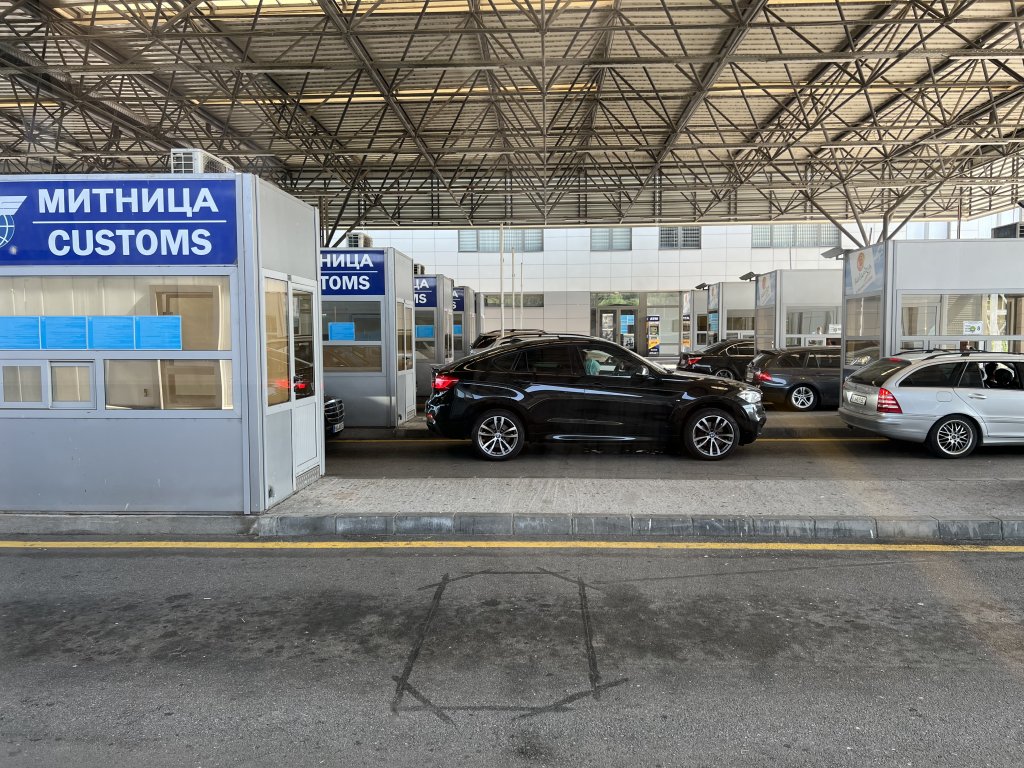
Bulgaria has seen numerous investigations into border police officers who have taken part in migrant smuggling and trafficking schemes, Dimova from Mission Wings said.
Paying bribes to Bulgarian police is commonplace, but even more typical is paying out third parties. This usually involves somebody who is connected to the police, for instance former policemen, relatives of policemen, or felons with whom police have worked with in the past.
"They could be anybody...corruption at border crossings is a very big problem in Bulgaria" --Krassimir Kanev, Chair of the Bulgarian Helsinki Committee
"They could be anybody…corruption at border crossings is a very big problem in Bulgaria," Krassimir Kanev, chair of the Bulgarian Helsinki Committee – a Sofia-based human rights non-profit – told InfoMigrants. "It's usually not just one police officer – It's a chain of police officers who get proportional amounts of these amounts [bribes]," he explained, adding that cross-border corruption is one of the major reasons Bulgaria sees high figures of irregular arrivals.
Corruption among those in power is enabling smuggling and trafficking networks to thrive in the country, which has become an increasingly popular transit state in the "business." Authorities and human smugglers work hand in hand to transport migrants into and throughout Bulgaria, usually with the desired end destination being western or central Europe.
How do smuggling networks operate?
Just one of those networks appears to be masterminded by a person advertizing in Arabic on the social media platform TikTok. Marin Nikolov is a Bulgarian investigative journalist working for the private local broadcaster bTV in the capital Sofia. In May, he and his colleague stumbled on some TikTok videos showing a man cutting the fence at the Bulgarian-Turkish border. So they decided to consult an Arabic translator. The videos provided a Bulgarian country code and mobile number – and a contact nicknamed "The Kurdish Baron."
"The 'Kurdish Baron' transports people on relevant roads – E79, etc., which are recognizable as highways and roads in Bulgaria," Nikolov told InfoMigrants, adding that the so-called Baron would advertize "a new excursion everyday" at the price of €150 ($161).
Nikolov collaborated with an Arabic-speaking person to go undercover and made a phone call to the Kurdish Baron.
"We don't know if it was the baron himself [who answered], but it was a man who explained in Arabic what he was offering as a service: to be illegally transported from Bulgaria to Germany," Nikolov said. The man told Nikolov's undercover assistant that it would cost €5,000 for two people to be transported from Bulgaria to Germany, and to make the payment at the "office in Sofia." He was offered two options – crossing the border with Romania or the border with Serbia.
When Nikolov's assistant asked where to find the office in Sofia, the man responded: "Ask and anyone can tell you." So that's what they did.
"These 'offices' are in the center of Sofia...we are talking about small shops that are otherwise involved in other types of activity." --Marin Nikolov, Bulgarian investigative journalist
"What I can say about these 'offices' is that they are in the center of Sofia... In these two cases in particular, we are talking about small shops that are otherwise involved in other types of activity," Nikolov told InfoMigrants.
Small shops operate as 'offices' for payments to smugglers
Aspiring migrants hoping to continue on to a different country in Europe receive a numerical code at one such "office" in exchange for the payment. These "offices" typically run as small stores in downtown Sofia at places around Lion's Bridge, Women's Market and the Tsar Simeon street – selling goods such as fresh produce, drinks and cigarettes, Nikolov said.
The journalist explained that the migrant passes this code on to the smuggler, who then contacts someone at the "office" to release the money so that the smuggler can make the journey. The smugglers may change as migrants pass through different countries to reach the final destination. The smugglers typically reassure them that they would provide shelter and make the journey as comfortable as possible.
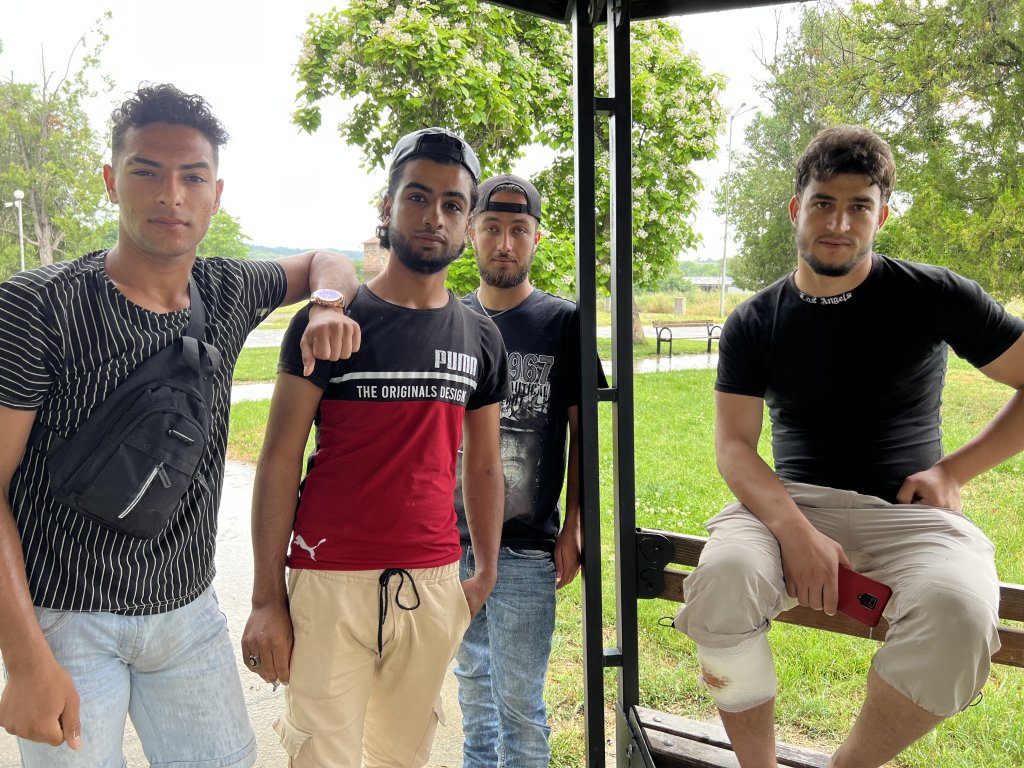
"There are often many stranded migrants in different parts of Bulgaria." --Marin Nikolov, Bulgarian investigative journalist
"Unfortunately, this is very often not the case," Nikolov said. "There are often many stranded migrants in different parts of Bulgaria and on the routes from Turkey to Western Europe in general… There are also an awful lot of migrants being detained when they try to enter."
Smuggling rings are 'open secrets' in Bulgaria
What frustrates Nikolov is that, with a little digging on social media, he came into contact with a smuggling ring that appears to be an open secret in central Sofia. "So why hasn’t the GDBOP [General Directorate for Combating Organized Crime] called this phone and walked our path to crack down on this activity, which we all know is illegal and a crime? The Ministry of the Interior does nothing," he said.
According to Nikolov, it is widely believed there exists an "umbrella of protection from the top" in Bulgaria's people smuggling network, adding that he himself "cannot rule it out."
"It is likely that certain officials working for the authorities are covering for certain representatives" --Marin Nikolov, Bulgarian investigative journalist
"I would say it is 90% likely that certain officials working for the authorities are covering for certain representatives of traffickers" and smugglers, he said.
The journalist added, however, that it was important "not to criticize the police for everything," as they are finding it increasingly difficult to do their job due to the "overwhelming flow of migrants to Bulgaria."
Last year alone, an estimated 5,270 migrant pushbacks affecting 87,650 people occurred at the Bulgarian-Turkish border, according to the Bulgarian Helsinki Committee. Actual numbers, however, are believed to be much higher. The figure is almost double the number registered in 2021 – around 2,510 pushbacks involving nearly 45,000 people. In 2020, the Committee reported that around 15,170 people were affected.

But there is another dimension. Bulgaria enforces "weak sentences" for smugglers – "There is a kind of impunity," Nikolov told InfoMigrants. Though Bulgaria's penal code has many setbacks – proposals for reformation are pending.
"[Reforming corruption] has turned out to be a very difficult and cumbersome process." --Marin Nikolov, Bulgarian investigative journalist
"It has turned out to be a very difficult and cumbersome process," however. "I suppose there are opponents to these changes. It is quite possible that there is also a hidden level of lobbying that this [smuggling] business will continue in one form or another," the journalist said.
Smuggling goes unpunished because it's just 'too much of a profit'
Maria Cheresheva, another Bulgarian investigative journalist based in the capital Sofia, agrees with Nikolov that smugglers have a "very high incentive" to continue their lucrative business.
Bulgaria has seen multiple cases of border guards arrested for participating in smuggling schemes over the years, and increasingly high-level officials have also been arrested, Cheresheva told InfoMigrants. The journalist has worked on videos capturing smugglers involved in violence, kidnappings and demanding families ransom.
"In Bulgaria [smuggling and trafficking] is not heavily punished." --Maria Cheresheva, Bulgarian investigative journalist
"The problem is that in Bulgaria this [smuggling and trafficking] is not heavily punished," she said.
Migrant routes from Afghanistan and Iran for instance, which continue through Turkey then Bulgaria, have also acted as drug trafficking routes for decades and have evolved into well-established channels. But Cheresheva said she has not yet been able to prove that Bulgarian police have been directly involved in trafficking through these channels.
Bodies found in truck
In February, police found 18 bodies of migrants from Afghanistan, including that of a child, in an abandoned truck near Sofia. The truck, which was transporting timber, carried around 40 migrants in its compartments. All of the survivors were found in very poor condition and sent to hospital. Some of the victims had suffocated. One of the four suspects detained had already been sentenced for human trafficking, according to a senior police official.
"Here smuggling is not very well investigated…They just get away with a fine and continue because they earn tons of money out of this business," --Maria Cheresheva, Bulgarian investigative journalist
"Here smuggling is not very well investigated…They just get away with a fine and continue because they earn tons of money out of this business," Cheresheva said.
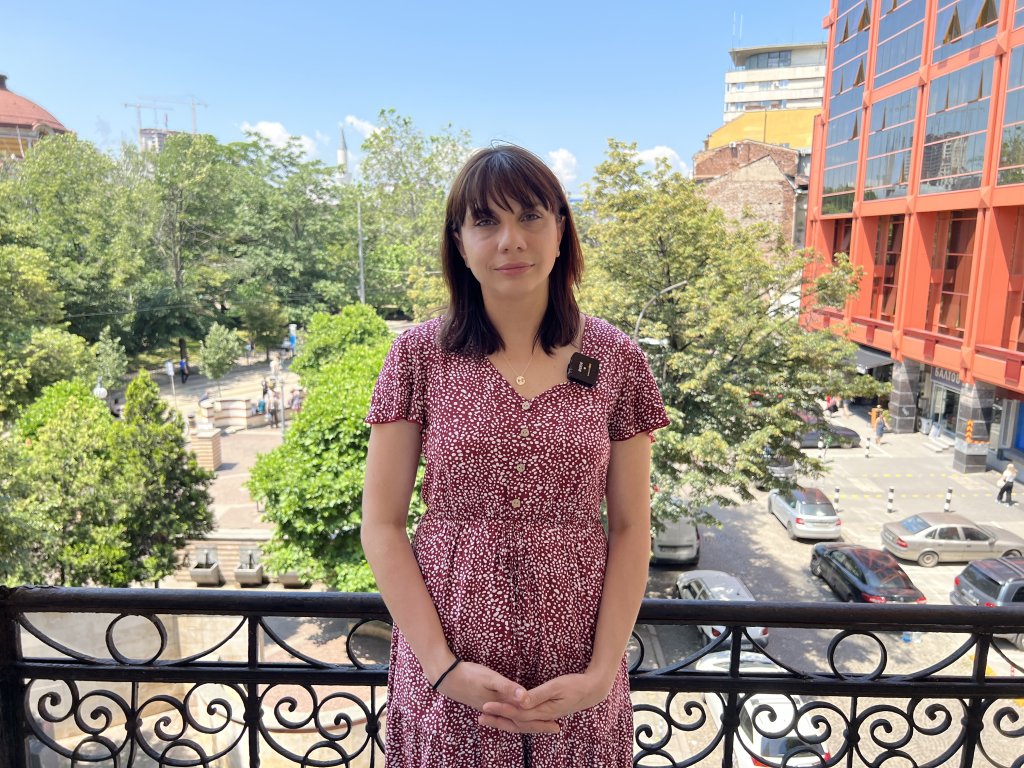
The journalist noted that stronger punishments for smuggling would not put an end to the clandestine business anyhow.
"The problem is with the whole border management – if one smuggling network is cut down, another will open," she said, adding: "It's a very low level [of effort] for the people organizing this criminal network and it's too much of a profit for them."
Corruption at refugee centers
The Bulgarian NGO Mission Wings has also received numerous complaints from migrants about being blackmailed by staff and interpreters at refugee centers. Dimova told InfoMigrants that staff were accused of demanding payments of €50 to €750 for relocations to a better room, or the speeding up of an asylum status procedure or family reunification process.
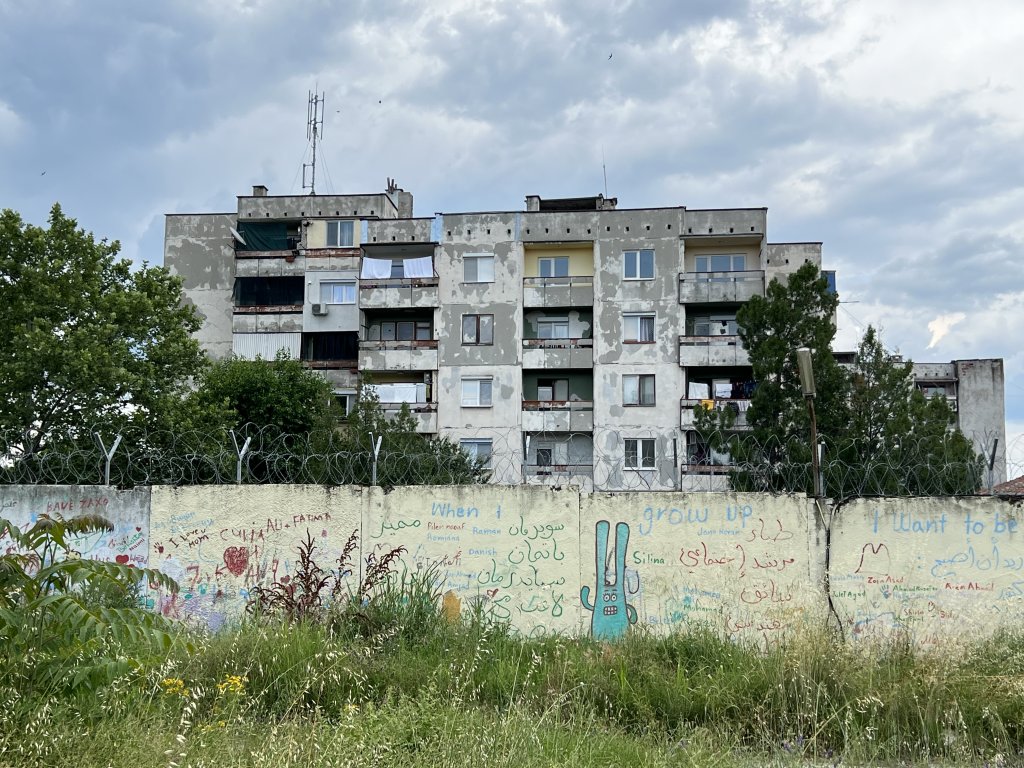
Vladislav Damyanov is a project manager at the Catholic charity Caritas Sofia – he works with refugees on a regular basis. When asked about corruption in Bulgaria's refugee settlement system, such as the paying of bribes in exchange for faster or better services and procedures, he told InfoMigrants:
"Sometimes we ourselves are surprised how some people receive [refugee] status very quickly at the expense of other people who wait sometimes for years."--Vladislav Damyanov, Caritas Sofia
"Sometimes we ourselves are surprised how some people receive [refugee] status very quickly at the expense of other people who wait sometimes for years."
Bulgaria's Ministry of the Interior did not respond to InfoMigrants' request for comment on border corruption, state officials and police accepting bribes from smugglers and traffickers, and blackmailing and bribery within refugee camps and the asylum system.
Bulgarian border police told InfoMigrants an interview cannot be granted "due to national security" – adding that the chief of border police was fired at the beginning of summer and that the agency was undergoing a transition.
*All research and interviews were conducted between June and August 2023, with field reporting in Bulgaria carried out between June 18 and 24, 2023.