
Many people passing through Niger on their way to other countries are stuck after land and air borders were closed in response to a coup in late July.
Political turmoil that broke out in Niger late last month has left thousands of migrants stranded in the country, the Associated Press (AP) reported today (August 23).
Land and air borders with neighboring African countries were closed in response to the July 26 coup that resulted in the ousting of the country's president, trapping thousands of migrants passing through.
The landlocked country is an important transit route for those attempting to enter Libya as their launch pad to Europe and for those returning to their homes from other countries.
The African Union has suspended Niger from all of its institutions and activities “until the effective restoration of constitutional order”.
The 55-nation bloc also called on other member states and the international community to reject the “unconstitutional change of government and to refrain from any action likely to grant legitimacy to the illegal regime in Niger.”
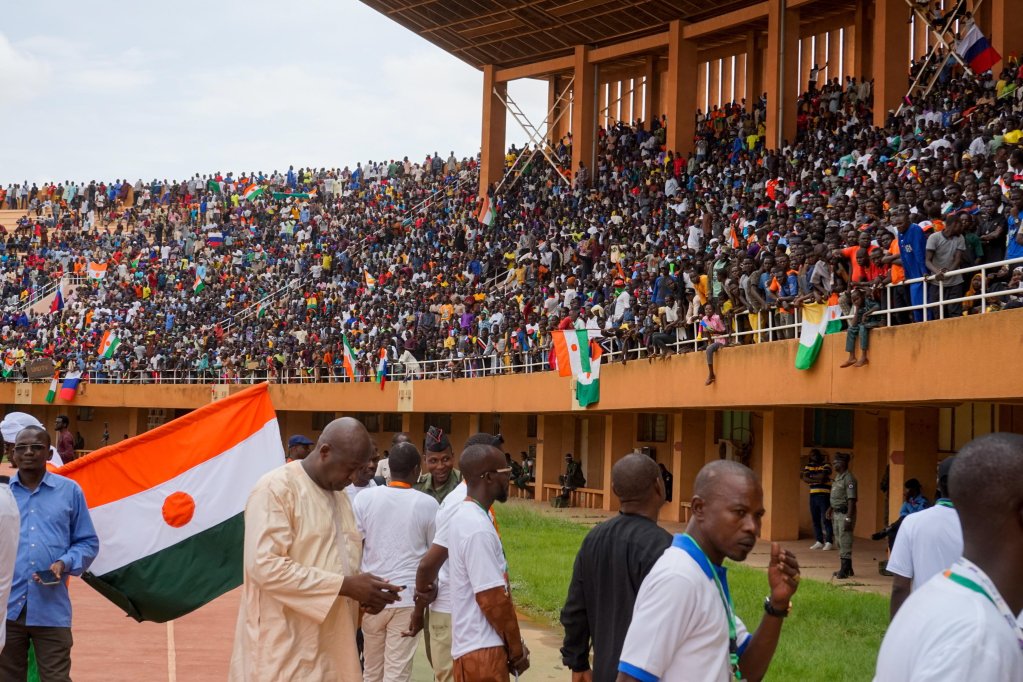
Passing through countries in hope of escape
Sahr John Yambasu, 29, wanted to try his luck and cross the Mediterranean Sea as a way to enter Europe. Now, he is among the thousands stranded in Niger and trying to find his way back to his home in Sierra Leone.
Yambasu told AP that he left Sierra Leone in June to escape political unrest. He had his sights set on Germany and hopped on various modes of transport across the region until he arrived in Libya. From there, he boarded a boat along with about 200 others. The boat was at sea for a few days before it was intercepted by the Libyan Coast Guard and escorted back to Libya.
Some people had died while they were at sea, leaving Yambasu shaken by the experience. With the help of aid groups, Yambasu has managed to make it as far as Niger, but is currently unable to go further.
United Nations (UN) officials reportedly told him that he had to wait for the overcrowded migrant centers to decongest before he could be sent back home.
According to an International Organization for Migration (IOM) study that surveyed about 88,000 migrants traversing through Central and West Africa, people on the move were predominantly male, aged around 29, single and traveling to nearby African countries to find better economic opportunities or seasonal work. Their primary motivation to move was economic, and only 10% intended to travel to Europe.
Overcrowded migrant centers
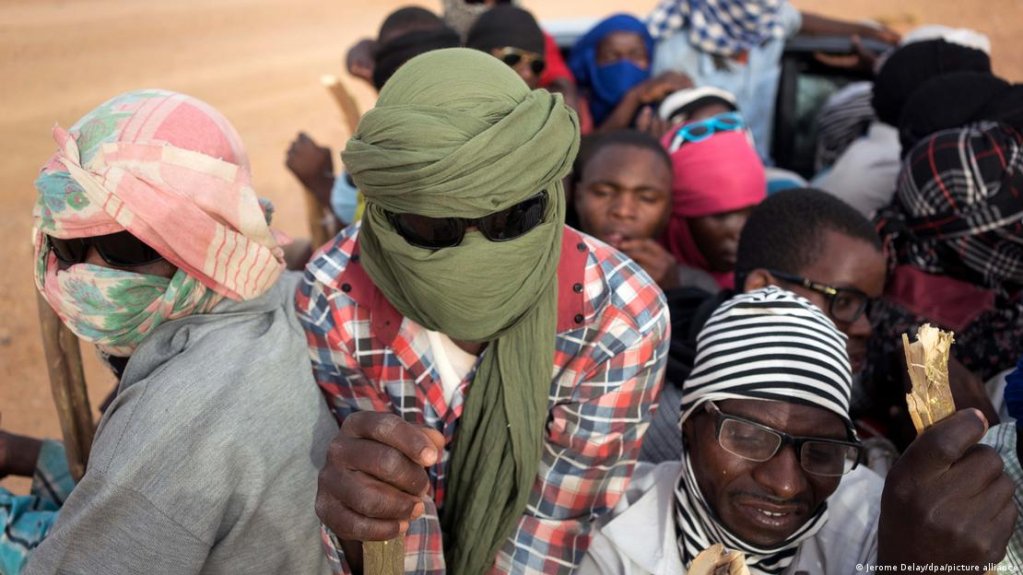
The UN estimates that the migrant centers currently hold about 5,000 people trying to get home.
Paola Pace, acting interim chief of mission for the IOM in Niger, told AP that the closure of borders and airspace has forced the agency to temporarily suspend returns. Its centers are now jammed at 14% over capacity, she said.
COOPI, an Italian aid group that provides shelter for migrants in Niger’s northern town of Assamakka near the border with Algeria, said an additional 1,300 people have entered its center trying to return home since the start of the coup.
The humanitarian NGO has warned that its supply of food and water is critically low because the shuttered borders have also prevented the transport of food and medical supplies.
Morena Zucchelli, head of mission for COOPI in Niger, told AP it has only enough food stocks to last until the end of August.
Gripped by a wave of military takeovers
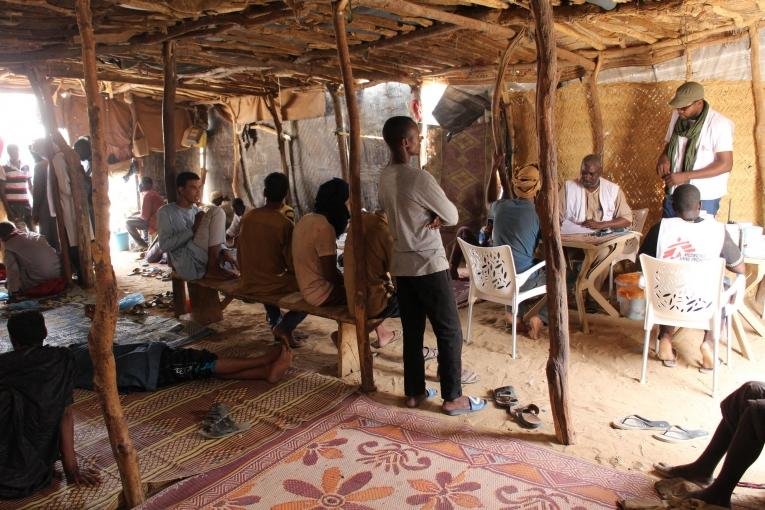
The July 26 coup is the fifth successful military coup in Niger since the country regained its independence from French colonial powers in 1960. Over the last three years, a wave of coups has brought down the governments of neighboring countries Mali and Burkina Faso.
The country's former president Mohamed Bazoum, who was toppled in the coup, wrote in an essay published by the Washington Post: "I write this as a hostage. Niger is under attack from a military junta that is trying to overthrow our democracy, and I am just one of hundreds of citizens who have been arbitrarily and illegally imprisoned."
Bazoum and his family have been under house arrest since the military took over and are reportedly without electricity and running water. On Sunday, France 24 reported that Bazoum's doctor was permitted to see the family and bring in food supplies.
Bazoum made an impassioned plea to the US government and the international community to restore constitutional order in the country.
"Fighting for our shared values, including democratic pluralism and respect for the rule of law, is the only way to make sustainable progress against poverty and terrorism. The Nigerien people will never forget your support at this pivotal moment in our history," wrote Bazoum.