
Senegalese authorities have repatriated 37 people rescued off Cape Verde a month after their boat ran adrift.
Senegalese authorities have repatriated 37 people rescued off the coast of Cape Verde last week after their boat was left adrift in the Atlantic Ocean for about a month, news agency Reuters reported today (August 22).
The 37 survivors, mainly from the Fass Boye fishing village in eastern Senegal, were transported by military plane and landed on an air base in the center of Dakar on Monday evening. Some survivors were reportedly carried on stretchers, as they were too weak to stand.
According to earlier news reports, four children between the ages of 12 and 16 were among the rescued.
A Senegalese doctor who helped authorities with the translation of the survivors' accounts said the pirogue boat they were traveling in had run out of fuel and was adrift at sea until a Spanish fishing vessel found and rescued them on August 16. By then, it had been more than a month since they had first set sail.
Accounts of the survivors vary, with some saying the fuel lasted 8 days, others 12. The doctor, Medoune Ndiaye, told reporters that according to the survivors, “Their food ran out very fast.”
Senegal's foreign affairs minister Anette Seck said 38 people were rescued out of the 101 who had reportedly boarded the pirogue. One survivor was not fit to travel.
Read more: Senegal villagers mourn dead after latest migrant shipwreck
Violence and outrage in Fass Boye

Spanish NGO Walking Borders (Caminando Fronteras) reported that it had told authorities in four countries about the vessel on July 20, about ten days after it had departed Fass Boye to set sail for the Canary Islands in Spain.
“The relatives of the people onboard informed us that they had left on July 10 and that 130 people were onboard. We activated our organization’s search protocol, informing the authorities of the corresponding countries [Senegal, Mauritania, Morocco and Spain] in the rescue of the route between Senegal and the Canary Islands,” Walking Borders said in a statement, as reported by British newspaper The Guardian.
The journey to cross the 1,700 kilometers from Senegal to the Canary Islands usually takes between four and seven days.
Violence broke out in Fass Boye following the news that the boat had been found, as anguished friends and relatives grieved the loss of their loved ones.
Local media reports indicate that young people took to the streets, targeting public buildings. Their anger was directed at Senegalese authorities who they accused of inaction despite the plea from worried relatives.
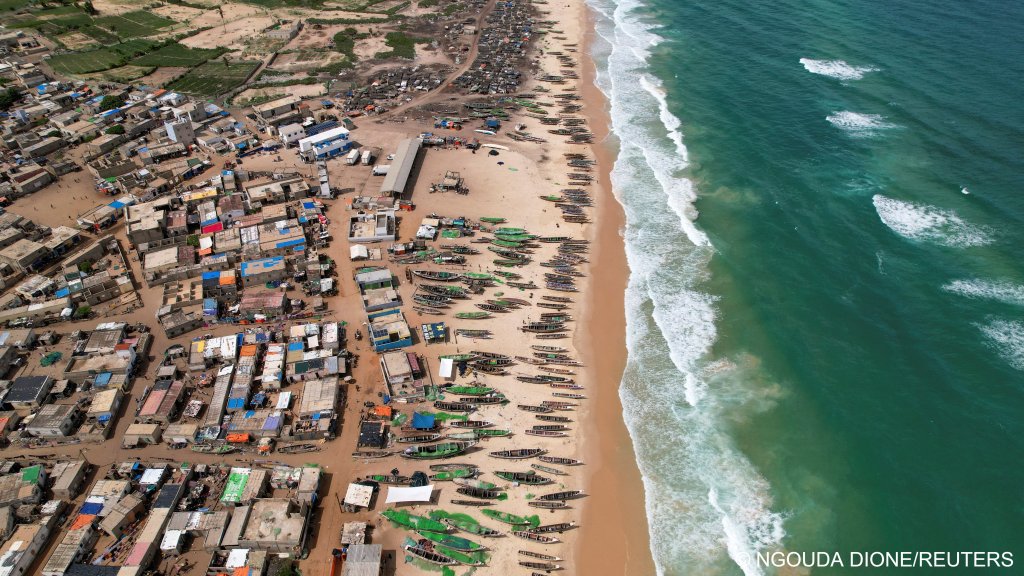
Village du Migrant, a Senegalese NGO, has reported an increase in departures from the shores of Senegal to Europe in recent months.
Dire economic straits, compounded by inflation, depletion of fish stocks and financial scars left by the COVID crisis are among the intersecting reasons more young people -- especially young men -- are setting their sights on Europe.
Just as dangerous
According to The Guardian, only one in three boats carrying people from West Africa reach the Canaries.
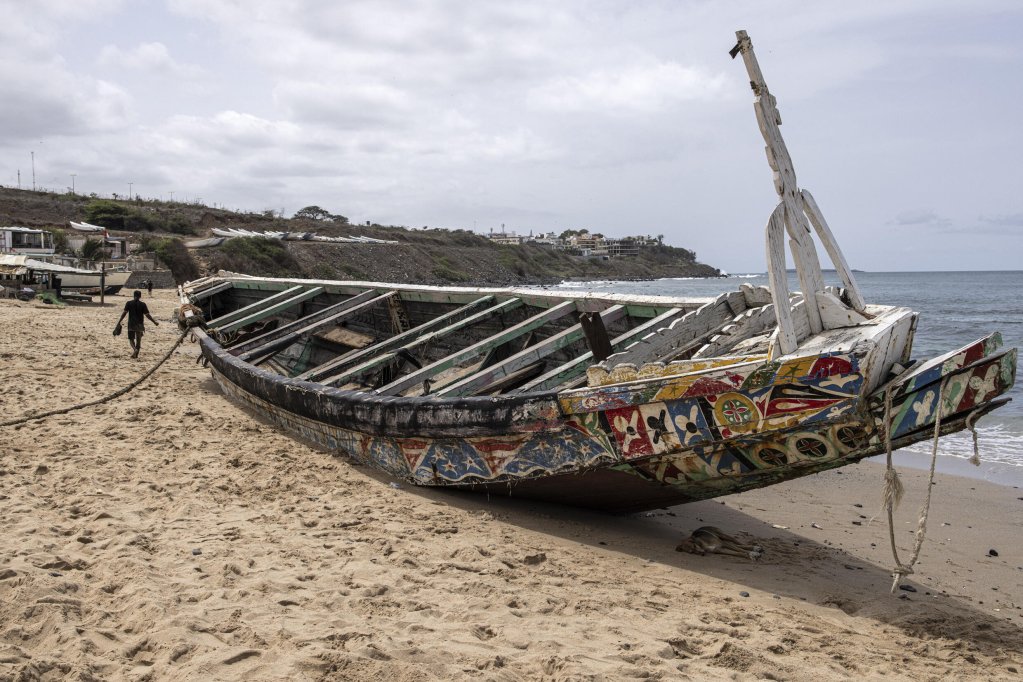
The International Organization for Migration (IOM) estimates that since the start of the year, over 300 people have perished while attempting to reach the Canary Islands from West Africa. Walking Borders said the actual number could be almost three times higher.
While the Central Mediterranean route into Europe is touted as the most perilous sea crossing in the world, IOM told The Guardian that the route from Senegal to the Canary Islands is equally dangerous.
“While the central Mediterranean migration route – from North Africa to Italy – is considered the deadliest one, this one from Senegal to the Canary Islands is just as deadly. The only difference is that we have little information because this route is poorly monitored. These are long journeys, subject to strong Atlantic winds and only a few of those who leave arrive at their destination. We just don’t know what happens to the missing. Surely there are large numbers of so-called ghost shipwrecks out there, incidents that we know nothing about,” Flavio Di Giacomo, Spokesperson at the IOM Coordination Office for the Mediterranean told The Guardian.
According to IOM data, at least 559 people died attempting to reach the Canary Islands last year. During the first six months of this year, about 126 people died or went missing on the same route, with 15 shipwrecks recorded.
With Reuters and The Guardian