
Undocumented migrants jailed in Bulgaria risk violence and abuse inside the Bulgarian prison system. Those at even higher risk are migrants arbitrarily forced into secret cage-like detention centers dubbed Europe's "black sites" before being pushed back to Turkey.
*This article is the third in a four-part series. Click here for part one and here for part two. All research and interviews were conducted between June and August 2023, with field reporting in Bulgaria carried out between June 18 and 24, 2023.
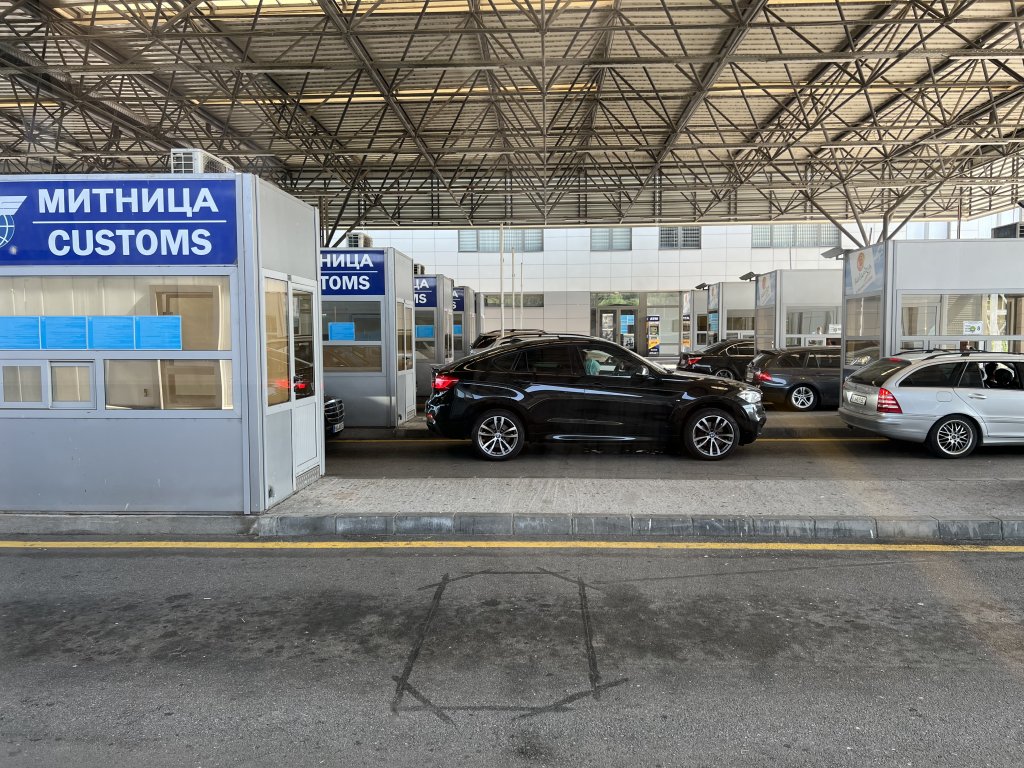
Migrants journeying the Balkan route hoping to reach Western or Central Europe are often caught while crossing the Bulgarian-Turkish border and immediately convicted in Bulgaria.
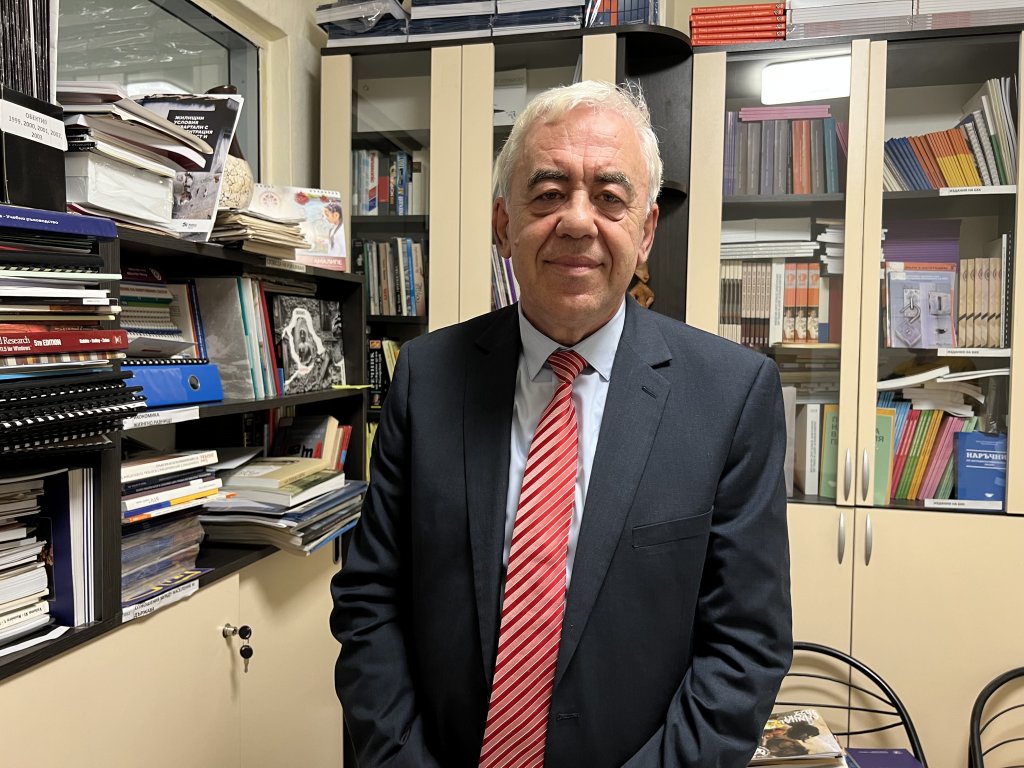
"This is a crime," Kanev from the Bulgarian Helsinki Committee said.
He explained that "if it is just a border crossing...they are usually held in custody for three days." In these types of cases, migrants are typically sentenced to conditional imprisonment, meaning they would not be sent to prison unless a new offense is committed during the sentence.
Criminal proceedings are concluded by a plea bargain and – with a lawyer present – the person signs agreeing they accept the conviction. They would then be released.
However, if this person is deported, to Turkey for example, and they try to cross the border again and are caught – this would be considered a repeated offense. Judges often prefer a conditional prison sentence because many migrants can't afford to pay the fine, according to Kanev.

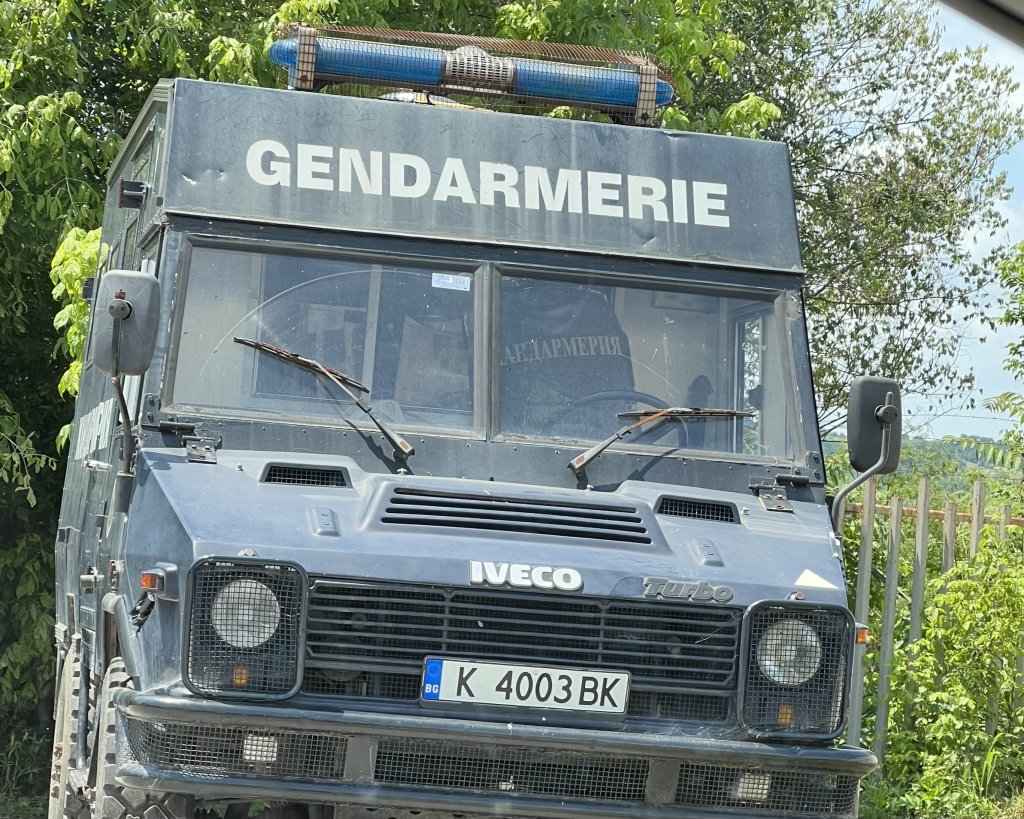
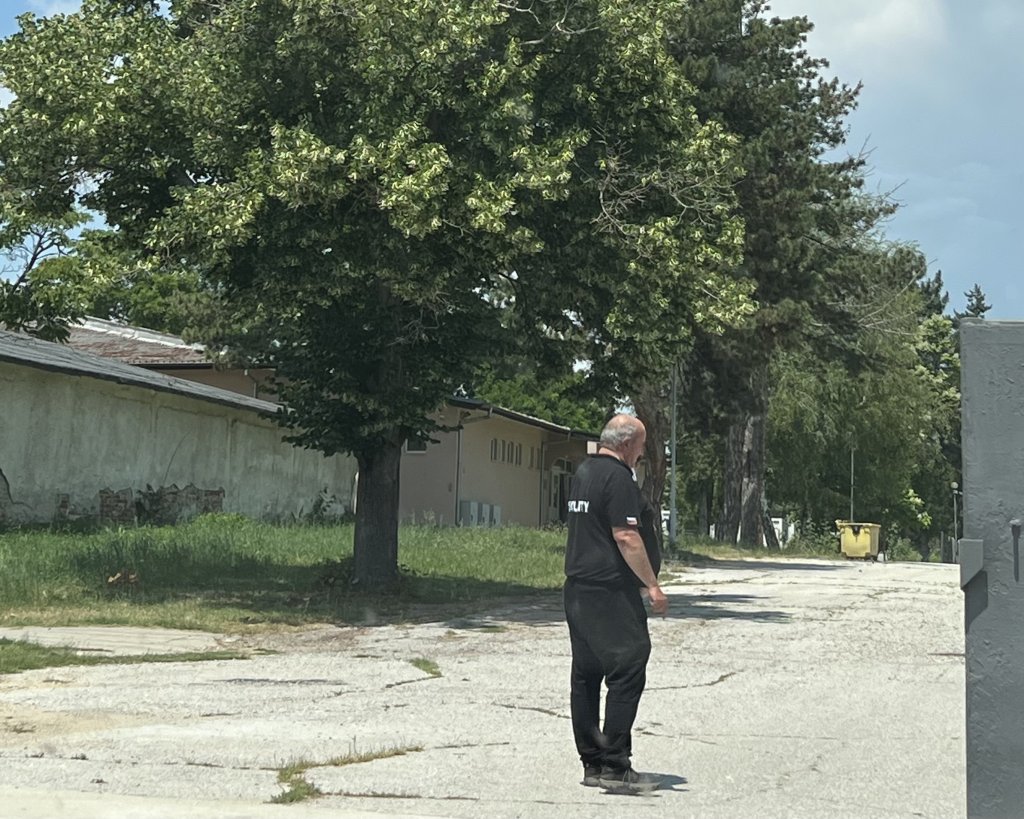

Risks of abuse and violence in Bulgarian prison
Sometimes, migrants are not aware they have received a criminal conviction until they go to another European country and the respective authorities inform them. Or migrants end up placed in a van in Turkey and find themselves in the hands of police on Bulgarian territory. To avoid conviction, they must convince authorities they had no intention of crossing the border irregularly.
In instances where migrants are caught with drugs or are involved with people smuggling – or if they use force against police officers or if they injure somebody – they could face a more serious conviction.
Once in jail, Kanev says, they are more likely to be beaten and physically abused than Bulgarians. "And they have lack of access to resources and no legal assistance. If someone who is illegally in Bulgaria gets accused of a crime, they get put in a jail in Bulgaria, then they get sent back or put in a migrant camp."
Refugees detained in illegal 'black sites'
Investigative journalist Cheresheva, who has interviewed scores of migrants in the past decade, confirmed some migrants are "sent back immediately after they crossed the border or even before."
She also spoke of cases where Bulgarian authorities intercepted irregular migrants who had already found work in the country, then took them to what she described as "black sites" – unofficial secret detention facilities used to "systematically detain people seeking refuge before illegally deporting them."
"We started finding a lot of testimonies that they (irregular migrants) are kept in a place for a while before being driven back and pushed back to Turkey," Cheresheva told InfoMigrants.
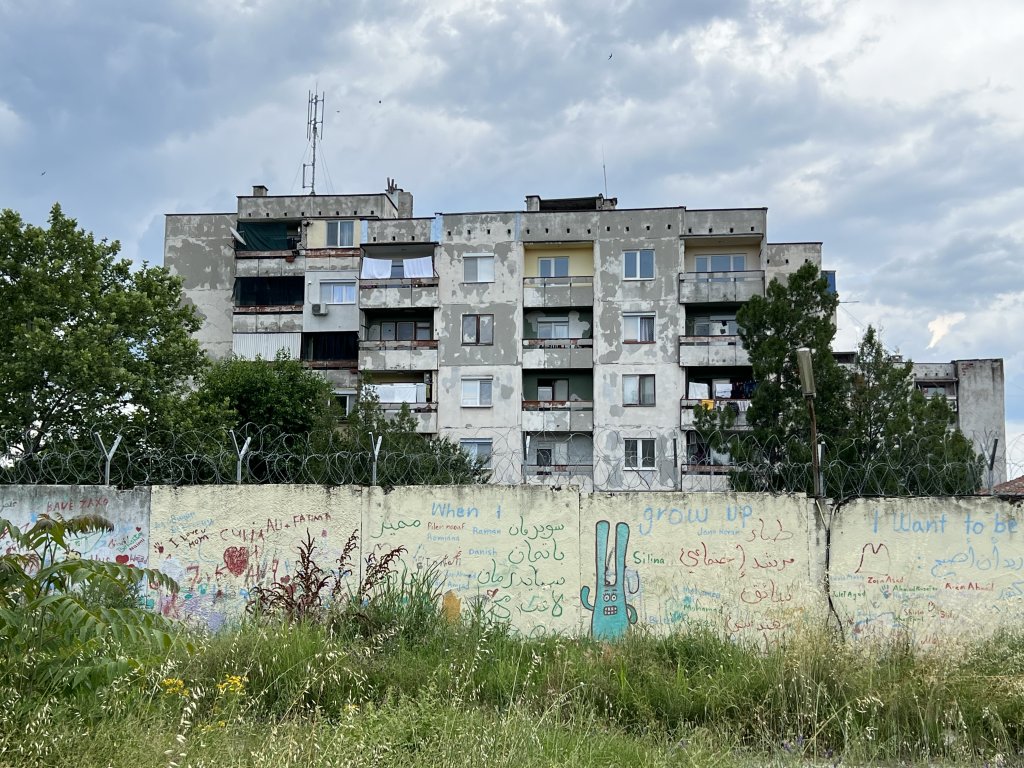
Migrants spoke of clandestine detention locations in Sredets, a small town close to the Turkish border and the Bulgarian coastline.
"We found this place, a cage-like structure in the border police department in Sredets," Cheresheva confirmed. Her team managed to film detained migrants on five separate occasions. The captured migrants stand no chance of applying for asylum, or even to be arrested and detained in the official detention system of Bulgaria, she said.
"If I'm able to see from the street that this place is full of people who most probably have no legal grounds to be kept there, then it's probably a public secret for the people that are working in this field," the journalist told InfoMigrants.
Illegal detention sites are 'inhuman and degrading'
Kanev from the Bulgarian Helsinki Committee told InfoMigrants his organization is aware of many of these types of structures.
"We have had lots of such cases of people being detained in such types of conditions...They (Bulgarian authorities) can apprehend these people anywhere. And they need to detain them for some period of time while the appropriate authorities come," he said.
"There may not be a police station or other place of detention or reception center or other such facility around. And this is why they resort to such facilities, although it's totally illegal."
Kanev said the conditions of detention may be "very bad, inhuman and degrading" with "no toilets, no places to sleep, nothing."
Frontex spotted at illegal detention sites
According to its December 2022 report, the team of Lighthouse journalists, including Cheresheva, photographed European Border and Coast Guard Agency (Frontex) branded cars parked within a few meters of a cage detaining migrants on three occasions.
The journalists also said they obtained internal documents showing there are ten Frontex officers based in Sredets as part of Operation Terra, the agency's largest land operation.
"Have I seen a Frontex officer pushing back or beating a person with my own eyes? No, but I saw the presence of Frontex and we managed to confirm that there are Frontex officers working in the same building where this black site was located," Cheresheva said. "They've (Frontex and Bulgarian authorities) been working on a common European mission."
The journalist said she and her colleagues alerted Frontex about the unofficial detention sites, which prompted the EU body to start an internal investigation.
"We still have not seen results out of it. We hope to see it published. Too many questions, too few answers."
Jan Zietara from the Frontex Press Office told InfoMigrants on August 1, however, that the EU border watchdog is "not aware of any 'unofficial migration centre' in Bulgaria," adding: "All detected migrants are handled by the host country's authorities."
InfoMigrants reached out to the European Commission for comment on unofficial detention centers for migrants in Bulgaria. The spokesperson for Home Affairs Anitta Hipper responded on August 16: "Under the Reception Conditions Directive, Member States must provide asylum applicants with material reception conditions, in particular housing, either materially or through financial assistance."
She added: "People who do not have the right to reside in the EU and are subject to a return procedure under the Return Directive are entitled to basic conditions of subsistence, defined according to national legislation and in respect of their human dignity."
Click here for part four.