
"If you want to abuse a migrant on the Bulgarian-Turkish border, no one is going to hear. No one is going to care about such a person." InfoMigrants probes the phenomenon of violence against migrants in the Balkan state.
*This article is the second in a four-part series. Click here for part one. All research and interviews were conducted between June and August 2023, with field reporting in Bulgaria carried out between June 18 and 24, 2023.
Police brutality, lack of accountability and impunity are main drivers of pushbacks and violence against migrants in Bulgaria, according to the Bulgarian Helsinki Committee.
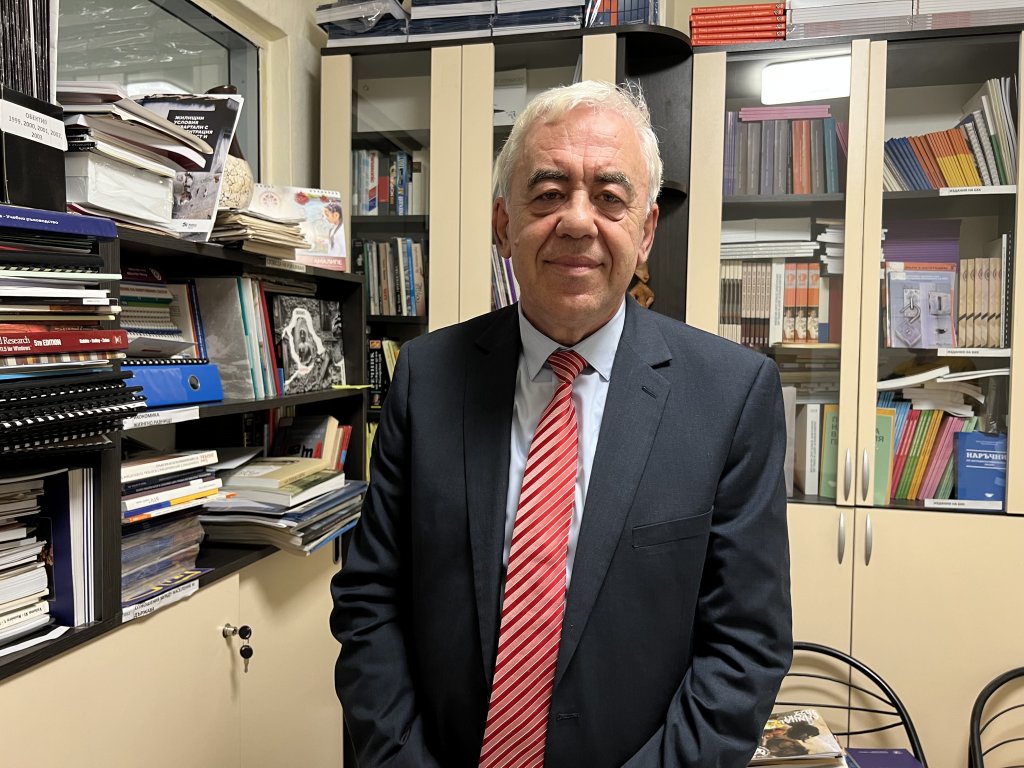
The NGO has received many complaints from migrants claiming they were "beaten up" by Bulgaria's border police, its chairman Kanev told InfoMigrants.
"In one of the cases, his eardrum was punctured and he suffered after the beating…he had traces of bruises on his entire body," Kanev recalled.
The human rights expert also recounted how several years ago police "chased" a group of Afghans at the Bulgarian-Turkish border and a fight broke out.
"They apparently used firearms and one person was killed," he said, adding that an investigation revealed that the migrant died by the ricochet of a bullet fired.
But despite those findings, Kanev said, "no persons were charged or indicted."
"Police brutality in Bulgaria is practiced with impunity," he said, explaining that police using force at the Bulgarian-Turkish border is typically "triggered by some incident."
"It may be something that somebody had said or…they (the migrants) escaped. They were told to stop and they didn't. And then after the chase, they were brutalized," Kanev said, adding that the police have their own idea of justice and feel migrants won't be appropriately punished by the criminal justice system.
"So they beat them up so that they receive some punishment," he said.
In Bulgaria's isolated, dense forests – in the absence of people who can hold them accountable – "they know that nothing is going to happen."
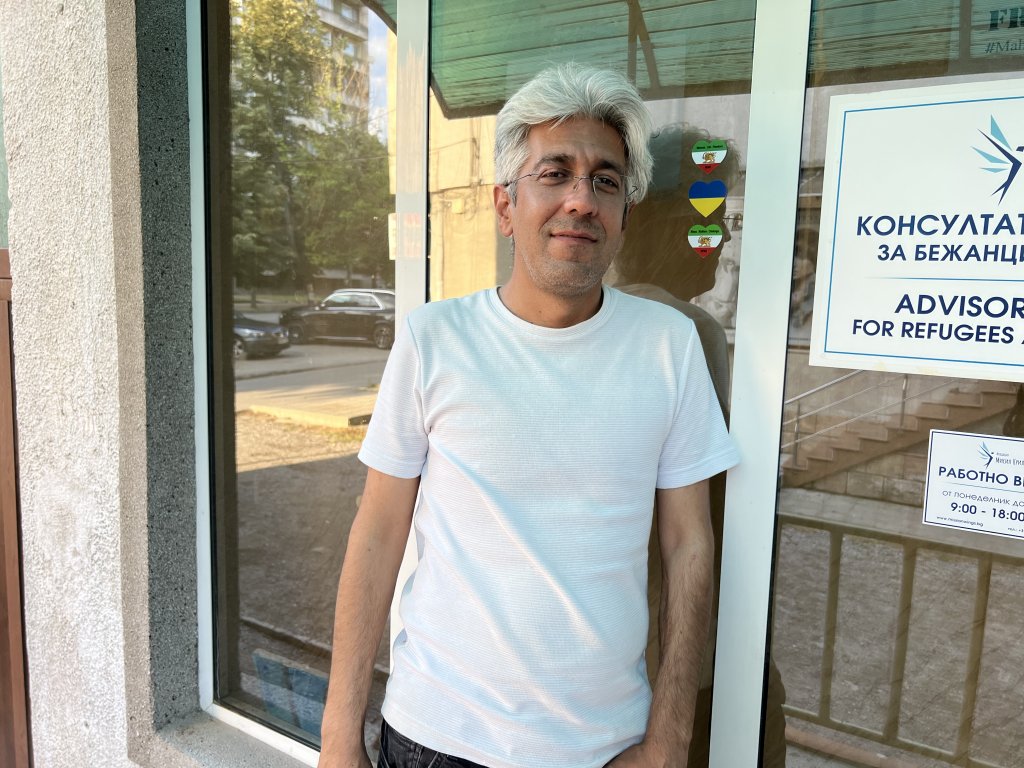
Diana Dimova, head of the Bulgarian human rights organization Mission Wings, said the Balkan country has "hypocritically hidden years of crimes committed by its officials against people seeking international protection."
"Even more, illegal practices are deliberately encouraged to ensure that a certain policy is followed – a policy of intolerance, hostility and inhospitality," she told InfoMigrants.



Ethnic minorities at higher risk of police brutality
Kanev said migrants, including other vulnerable ethnic minorities in Bulgaria such as Roma people, face much higher risks at the hands of police because of prejudice and lack of access to legal support.
Migrants "don't have connections in society who can help them," he said. "If you decide to use force against a middle class man in the center of Sofia, there would be relatives, maybe media, maybe acquaintances here and there. Lawyers for sure. But if you want to abuse a migrant on the Bulgarian-Turkish border, no one is going to hear. No one is going to care about such a person."
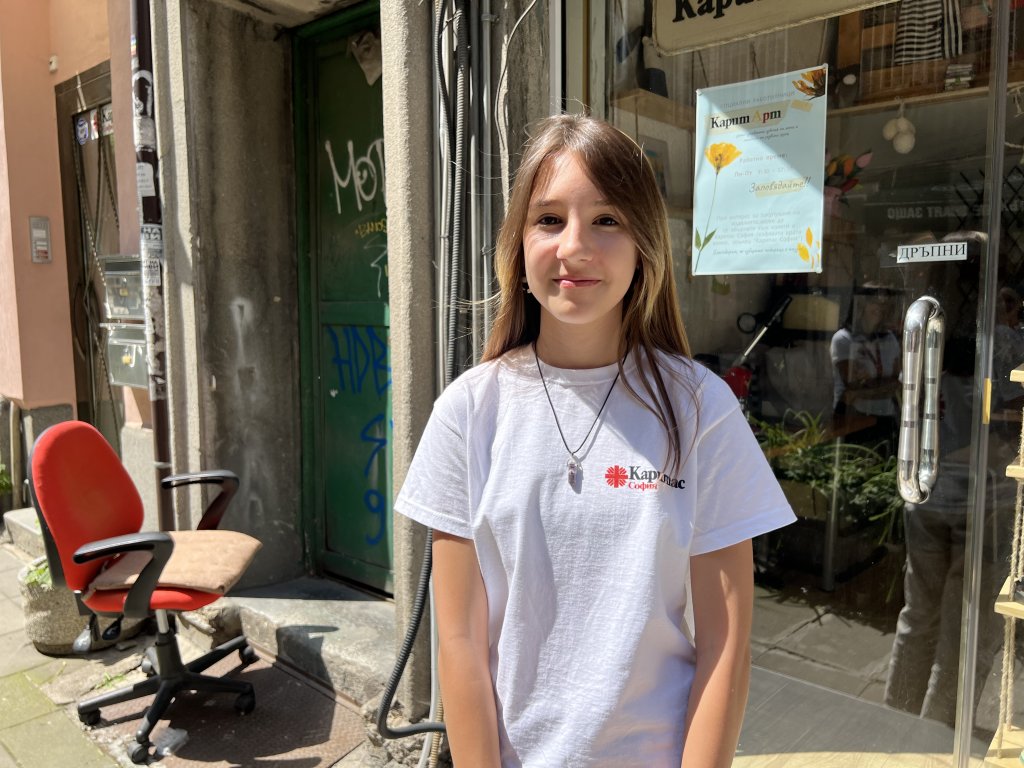
Maria, a youth volunteer worker at the charity Caritas Sofia, told InfoMigrants she is often shocked at the attitudes towards migrants. "Most people are very unjustifiably cruel to them."
How viewing Bulgaria as a transit state exacerbates impunity
There is another reason behind the continued violence against migrants in Bulgaria: For most migrants, Bulgaria – part of the Balkan route – is a transit stop to reach other European countries. So migrants are unlikely to officially register experiences of abuse in Bulgaria – doing so would force them to stay longer in the country and jeopardize possibilities of settling in another European country.
"I don't think any of them are aiming to be registered here. They are aware of this before they come," Laura Todorova, an assistant social worker and Farsi interpreter at Caritas Sofia, told InfoMigrants.
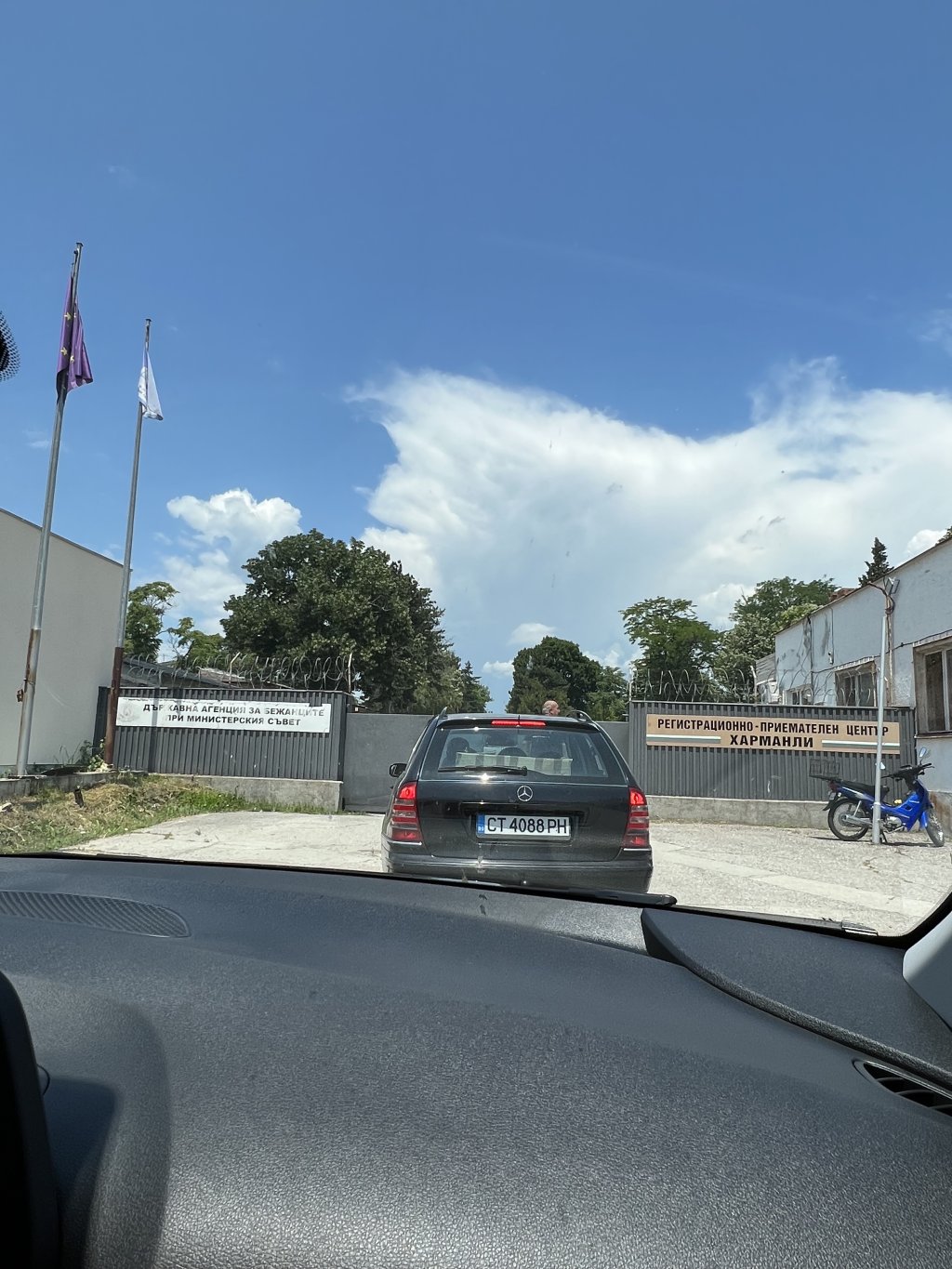
Mohamed* is a young Syrian waiting for an update on his status at the refugee reception center in Harmanli. He told InfoMigrants that "all Syrians" at the center "will absolutely go to another European country" when they obtain residency.
"A Syrian can't stay here in this country. There is no food, nobody cares, nothing. Everyone wants to go to Germany, Belgium and Austria. Nobody wants to stay here," he said.
Abdel*, another young Syrian refugee at the camp, said he and his friends want "residency as quickly as possible to leave from here to Germany or Belgium and get out of this place."
The group of young Syrians said they were "caught" by authorities, and that many of them used all of their money to pay smugglers in the hope of reaching Western Europe.
Many migrants just want to pass through Bulgaria, and as quickly as possible. Ideally, they would leave no fingerprints or track record of any sort in Bulgaria, Kanev explained.
Migrants wanting to make a complaint are required to be officially registered in Bulgaria and have their fingerprints stored at Eurodac (EU database for identifying asylum seekers and irregular border-crossers).
This means if they wish to continue their journey to Central or Western Europe, there is a risk that authorities in their desired final destination will send them back to Bulgaria. In addition, they must make themselves available for a criminal investigation "which may drag on for months, or even years," and "they may fear retaliation and victimization by the police," Kanev said.
"We offer legal assistance to such people, but in the meantime, they disappear," Kanev said. If investigations into police brutality are conducted, migrant victims usually leave Bulgaria, and as a result the prosecution terminates the investigation.
*Name changed
Click here for part three.
This story was updated on August 22 to include statements from Diana Dimova, head of Mission Wings Foundation.