
Gambian authorities have reportedly repatriated a total of 127 Gambian nationals from Tunisia and Libya over the course of two days. Since Tunisian President Saied's xenophobic and racist comments in February, western African countries have been returning hundreds of their nationals.
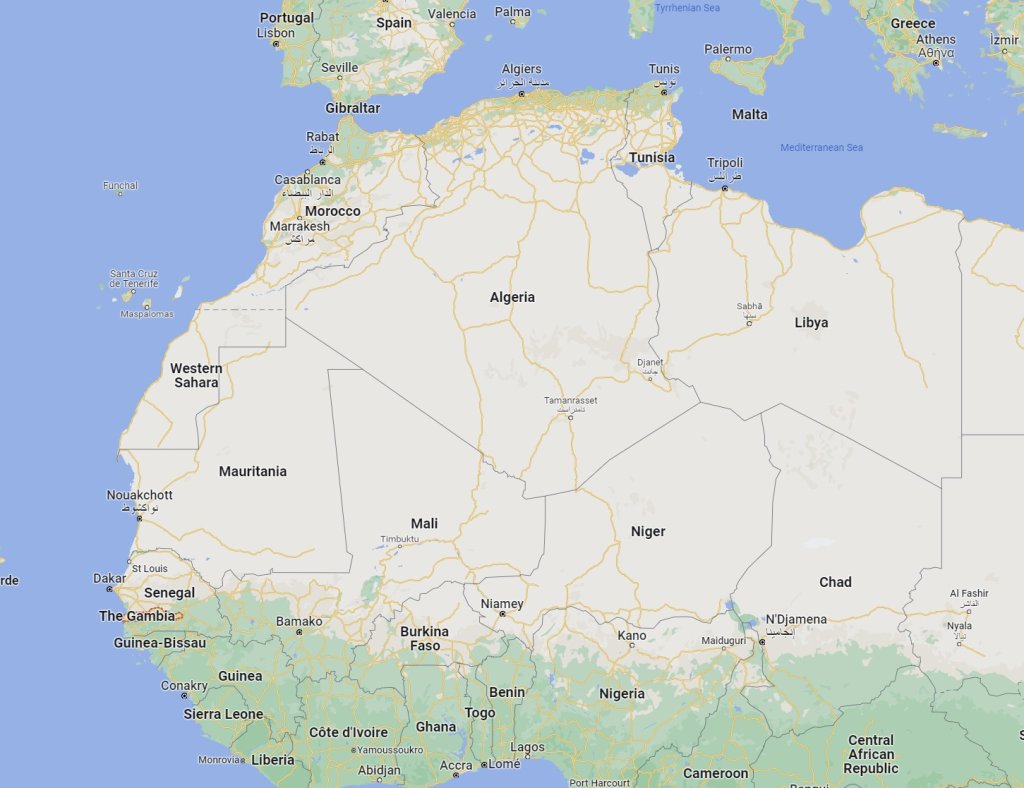
Authorities in The Gambia repatriated 40 citizens from Tunisia on the night from Thursday to Friday, the AFP news agency reported on Friday (July 28), citing information from a Gambian foreign ministry spokeswoman.
The group, who reportedly returned to their home country voluntarily, left Tunisia Thursday evening and arrived in the capital Banjul around 2:00am the next morning.
One day earlier, the West African nation had repatriated 87 of its citizens from Libya, the same spokeswoman said.
The flights had been organized by the Gambian government in collaboration with the UN migration agency IOM, according to AFP.
The repatriations took place against the backdrop of rising xenophobia, human rights violations and other dangers against migrants in both Tunisia and Libya in recent months.
In early July, the dpa news agency reported that the Gambia had already repatriated nearly 300 migrants between June 21 and July 4. Over half of them had been stranded in Libya, according to dpa, with the rest being intercepted on boats off the coasts of Senegal, Mauritania and Morocco.
Senegal, which fully encircles The Gambia, on Wednesday also repatriated about 50 migrants from Morocco, dpa reported.
Deaths on Tunisian-Libyan border
Since mid-July, Libyan border guards have reportedly also rescued dozens of migrants who said Tunisian authorities had forcibly taken them to an uninhabited desert area 150 kilometers west of Tripoli and around 15 kilometers inside Libyan territory.
Earlier this week, Libyan border guards found the bodies of five migrants in the same area.
The expulsion of migrants from Tunisia intensified following the death of a Tunisian man on June 3 during skirmishes between locals and migrants in the port city of Sfax -- a departure point for many migrants hoping to reach Europe.
Read more: Tunisia's oppressive course threatens human rights, Amnesty warns
Repatriations sparked by racism
Earlier this year, western African nations including Burkina Faso, Guinea, Ivory Coast, Mali and Senegal also started to repatriate hundreds of their citizens from Tunisia.
The moves came in response to a wave of anti-Black violence, including many assaults, summary evictions and arbitrary arrests of migrants from sub-Saharan African countries prompted by Tunisian President Saied's xenophobic and racist comments made in February.
Saied, who had seized control over Tunisia during a power grab in July 2021, blamed "hordes of illegal migrants from sub-Saharan Africa" for crimes and economic woes in the country. He also alleged there was a "criminal plot" to change the country's demographic make-up, echoing aspects of a baseless, extremist conspiracy theory known as the "The Great Replacement."
Against these trends, Amnesty International warned of human rights deteriorating in Tunisia.
Also read: EU-Tunisia migration deal: Encouraging the people smugglers?
with AFP