
The memorandum of understanding involves at least €1 billion in funding to deal with irregular migration on the Tunisian border. As details emerge, some aspects of the plan are being criticized.
The newly signed agreement between the EU and Tunisia has been called "comprehensive" by the EU's Home Affairs Commissioner Ylva Johansson, who defended it in the European Parliament on July 18 when faced questions and criticism from MEPs.
However, human rights group Amnesty International called the deal "ill-judged" in a press release late on Monday (July 17), noting "mounting evidence of serious human rights abuses by authorities" in Tunisia.
The group said the EU's involvement in the deal "will result in a dangerous expansion of already failed migration policies and signals EU acceptance of increasingly repressive behavior by Tunisia’s president and government."
Also read: EU and Tunisia sign deal to fight illegal migration
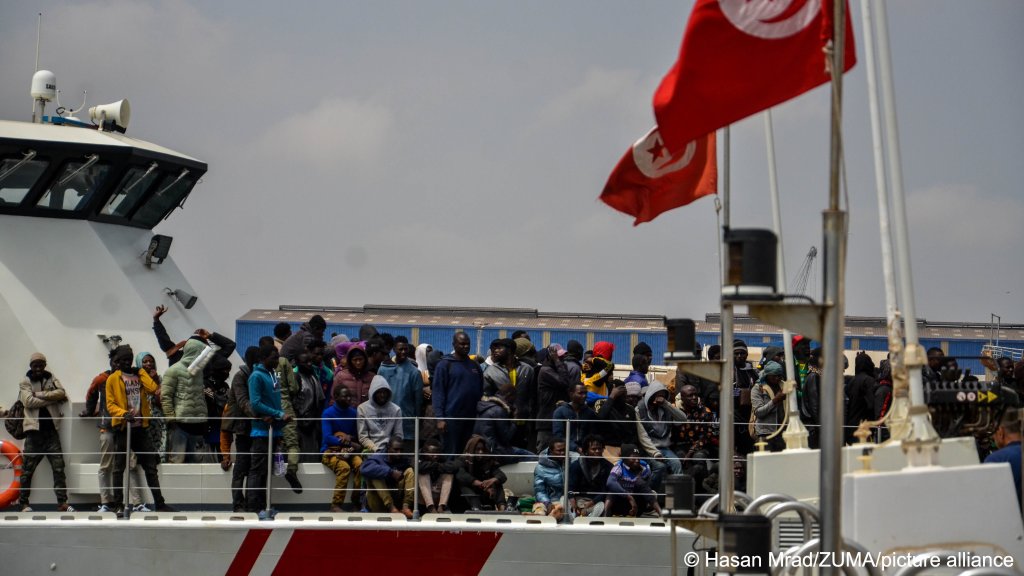
The last few weeks have brought an escalation of violence, attacks and protests against sub-Saharan migrants in Tunisia, with fights between Tunisians and migrant communities resulting in death and injury on both sides.
Amnesty said they were disappointed that "no lessons have been learned from previous similar agreements," and said by signing the deal, the EU had become "complicit in the suffering that will inevitably result."
Amnesty: 'Failed' and 'callous' policy
Although the text still needs to be fleshed out, the EU expects to send at least €700 million, some in loans, to Tunisia.
According to the European broadcaster Euronews, the money is expected to be shared out across five thematic pillars, including macro-economic stability, economy and trade, the green transition, as well as what is termed "people-to-people contacts and migration."
At least €105 million is earmarked for migration management.
Amnesty criticized the EU leadership for "focusing their policies and funding on containment and on outsourcing of border control rather than ensuring safe and legal routes for those trying to cross borders safely."
The group called this kind of policy "failed" and "callous".
Members of the European Parliament, like Birgit Sippel from the Socialists and Democrats group, have also spoken out against the deal. Sippel said the memorandum of understanding contradicts European values and that Tunisia is not a dependable ally.
"Why should Tunisia suddenly change its behavior? And who is controlling for what purpose the money will be spent?" asked Sippel, adding that the funding would probably serve to strengthen Tunisian President Kais Saied's power in Europe.
'No accountability'
Sophi in 't Veld, a Dutch MEP with the liberal Renew Europe group, said Saied is "an authoritarian ruler" and "a dictator who’s actually boosted the number of departures," reported Euronews.
On her Twitter feed, she wrote, "Besides the substantive problems I have with the Tunisia deal, I believe that this kind of dummy deals with public money puts parliamentary democracy under pressure. Why? Because there is hardly any accountability for it."
EU Home Affairs Commissioner Ylva Johansson has continued to defend the agreement in the face of the criticism. She told Parliament she thought the deal would help strengthen the cooperation and support the EU could offer Tunisia.
Also read: Tunisia, deaths at the border
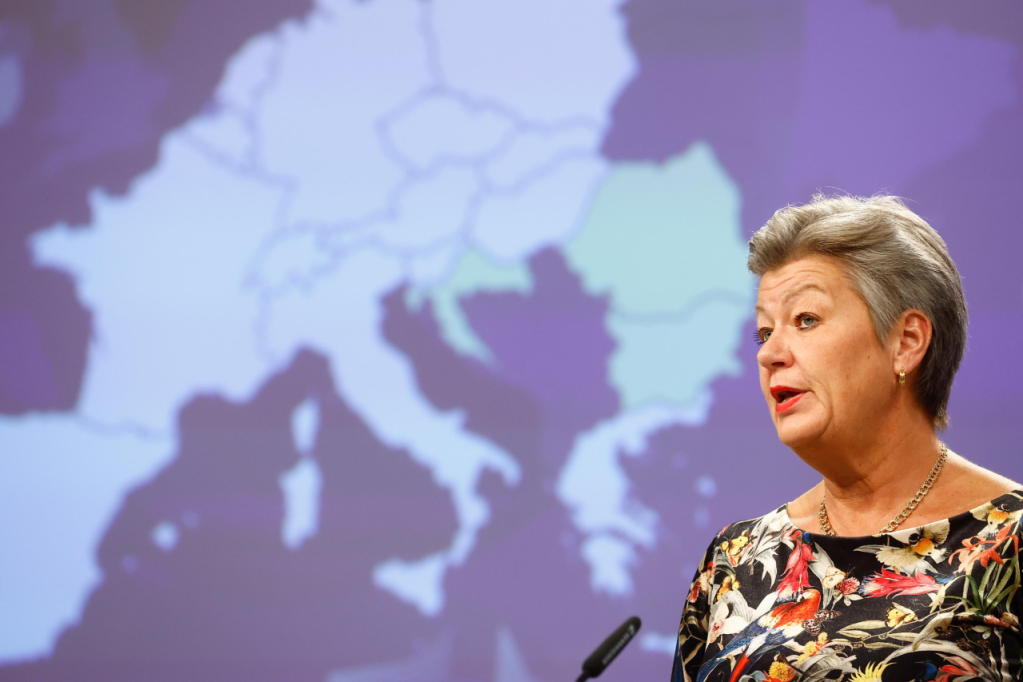
She added that Tunisia had changed from a country of origin for migration to a country of transit, and that the EU had to act to save lives and prevent people from making the dangerous Mediterranean crossings.
Fears that money might not be used as intended in Tunisia
Another Green MEP, Mounir Satouri, said the €150 million earmarked for budget support and the €105 million for migration management would act as a "direct payment into the bank account of Kais Saied."
Belgian Socialist MEP Maria Arena declared that in her view, the EU was "giving a blank check to Mr. Saied, who is currently running racist, xenophobic campaigns supported by his police and military."
Also read: Tunisia, not border guard for others
Arena asked Johansson, "Do you really believe that Mr. Saied, who has dismissed his parliament, who has thrown judges in jail, who has resigned half his jurisdiction, who is now banning bloggers from talking about the migration issue and who is now using his police and military to send people back to the [Libyan] border, do you really believe that Mr. Saied is going to respect human rights?"
Johansson replied that organizations like the UN Migration Agency IOM would be managing most of the budget earmarked for migration.
These funds would assist the IOM in providing help to asylum seekers there, she said, adding that the money would also be used to help finance voluntary returns.
According to Euronews, Johansson said, "I do not agree with the description that Tunisia is blackmailing. I think we have a good cooperation with Tunisia, but it’s also important to strengthen this cooperation and to step up the support for Tunisia. And this is the aim of this memorandum of understanding."