
Eight people were found dead after their Europe-bound boat capsized off the coast of northern Senegal this week. Many migrants have died or gone missing along the Atlantic migration route recently.
The bodies were recovered by the Senegalese fire department and navy, and a search for survivors has been launched, Senegal's Interior Minister Felix Abdoulaye Diome said Thursday.
The bodies were brought to the northern coastal city of Saint-Louis. The director of the city's morgue, Mourtalla Mbaye, told The Associated Press that approximately 155 people were on board and many of the survivors had been injured and were receiving treatment in a military zone in the city.
It was unclear how many people survived and how many are still missing, he said.
The Wednesday evening incident comes days after seven others were found dead and 50 were rescued on a different Europe-board vessel discovered off the coast of Saint-Louis after it capsized at the mouth of the Senegal River.
The navy also said it had intercepted another boat with 35 people seeking to make the crossing on Monday.
Additionally, a boat carrying 60 people that departed Senegal in June was found this morning after going missing at sea for 13 days.
Helena Maleno Garzón, a human rights advocate for Spanish aid group Caminando Fronteras (Walking Borders), wrote on Twitter that 20 of those passengers had died at sea. The 40 survivors are now in the city of Dakhla, located in the disputed territory of Western Sahara.
These recent tragedies come after an announcement by Caminando Fronteras that around 300 people went missing in late June when three boats departed Senegal from two different cities. It is unclear whether the current reports are connected with those boats.
Also read: Rescuers still searching for hundreds of missing migrants off Canary Isles
One of the world's deadliest migration routes
The Atlantic migration route is one of the deadliest in the world, with nearly 800 people dying or going missing in the first half of 2023, according to Caminando Fronteras.
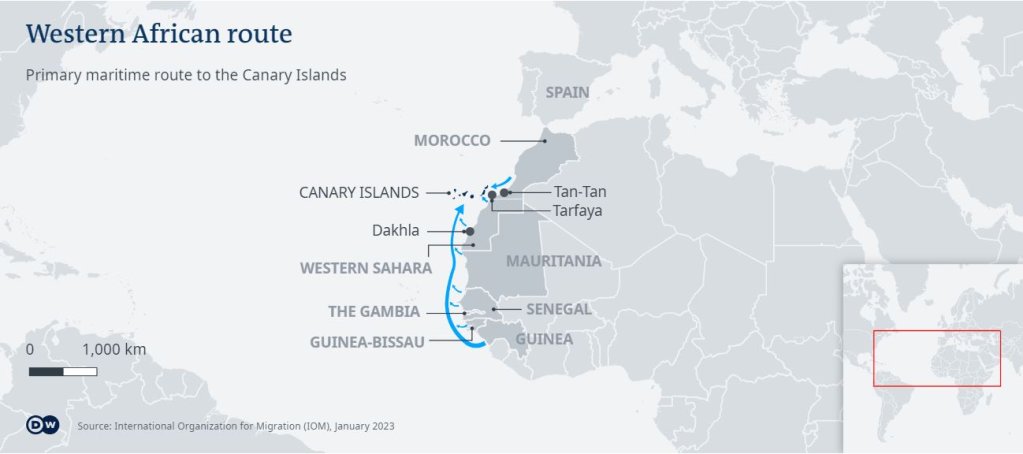
In recent years, the Canary Islands have become one of the main destinations for people trying to reach Spain, with a peak of more than 23,000 migrants arriving in 2020, according to Spain's Interior Ministry. In the first six months of this year, more than 7,000 migrants and refugees reached the Canaries.
The boats mainly travel from Morocco, Western Sahara and Mauritania, with fewer coming from Senegal. However, at least 19 boats from Senegal have arrived in the Canary Islands since June, the Spanish aid group said.
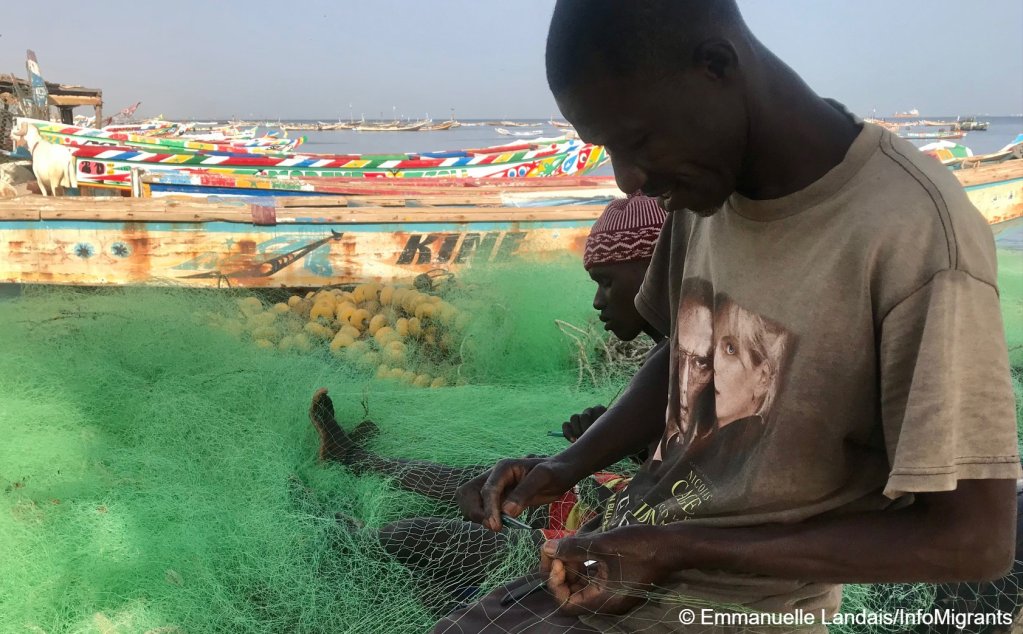
Factors such as ailing economies, a lack of jobs, extremist violence, political unrest and the impact of climate change push migrants to risk their lives on overcrowded boats to reach the Canaries. Last month in Senegal, at least 23 people were killed during weeks of protests between opposition supporters and police.
Also read: Senegalese aims to stop migration by building up community
Migrants seek better living conditions in Europe
Ibnou Diagne got into a boat from the Senegalese city of Mbour on July 2 hoping to find a better job in Spain to support his family, he said. The 26-year-old was one of the survivors from the boat found earlier this week and spoke with reporters from Saint-Louis after being rescued.
"I wanted to have better living conditions, because it's difficult here to get a job," he said. He paid approximately $680 and crammed into a vessel bound for Spain with about 150 others.
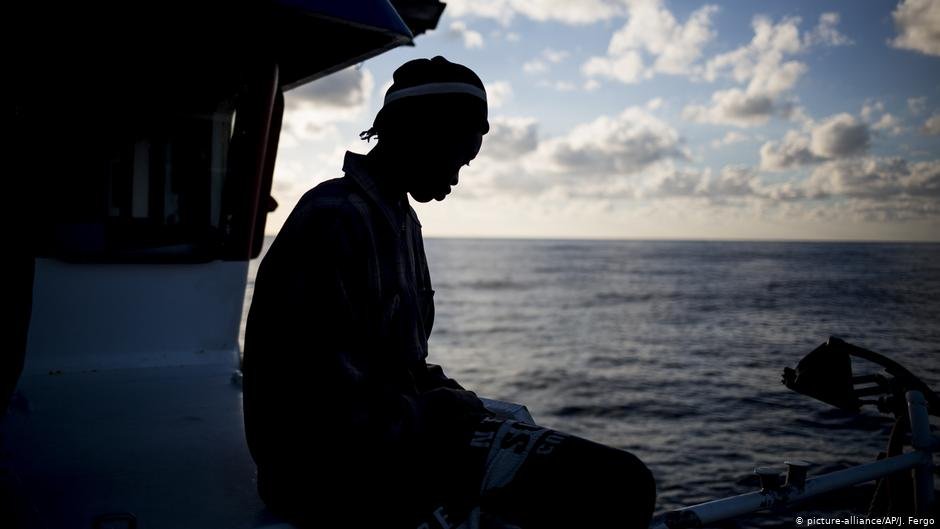
The first few days of the journey were smooth, but then the boat ran out of gas and water and got lost between the border of Mauritania and Senegal, Diagne said. The passengers tried to contact fisherman from Mbour and Saint-Louis, but there was no phone network.
People started dying, he said. One man died from an illness, while others were killed when the boat was broken apart after hitting the mouth of the river.
"I saw a boy dying, maybe he was 15 or 16 years old, and I couldn't do anything to help him. He was hurt by a piece of wood," Diagne said.
"It was absolute chaos," he added.
Afraid of dying on the sinking boat, many people jumped into the water and tried to swim. Some of the passengers wanted to throw the dead overboard, but the captain refused, he said.
The boat was rescued from there by Senegalese authorities and brought to Saint-Louis.
Despite the suffering and the death he witnessed, Diagne says if he has another opportunity, he'd board another vessel bound for Spain.
"Without hesitation, if I find another boat I will try again," he said.
Also read: Spanish prosecutor opens criminal investigation into deaths of 39 migrants
With AP