
As of last June, more than half of Albanians' asylum claims in Britain were successful. Yet a report by a UK parliamentary committee has found that there is "little evidence" that Albanians are at risk in their own country and in need of international protection.
A report published this week by the UK Parliament’s Home Affairs Select Committee, a cross-party committee set up with MPs to scrutinize the work of the Home Office, found that there was "little evidence to indicate that significant numbers of Albanian nationals are at risk in their own country" and required asylum in the UK.
Despite this, as of June 2022, the grant rate for Albanians claiming protection in the UK was over half, at 51%. This was a far higher rate than was recorded for Albanians in several other European countries. In Germany in the same period, no Albanians were granted asylum.
Also read: Almost 40 Albanian child migrants missing from UK care
"Albania is a safe country, it is not at war and is a candidate to join the European Union," states the report of the select committee, which started its investigations in July 2022. At the same time, it acknowledge that "some Albanian citizens making asylum claims will have been trafficked, and women are disproportionately at risk from this form of crime."
12,301 Albanians crossed Channel in 2022
In 2022, a total of 45,755 migrants crossed the Channel to the UK, more than a quarter of them Albanian citizens. During the course of 2022, the number of Albanians making the crossing went from 800 to 12,301, "a rise that was both unexpected and unexplained," the report said.
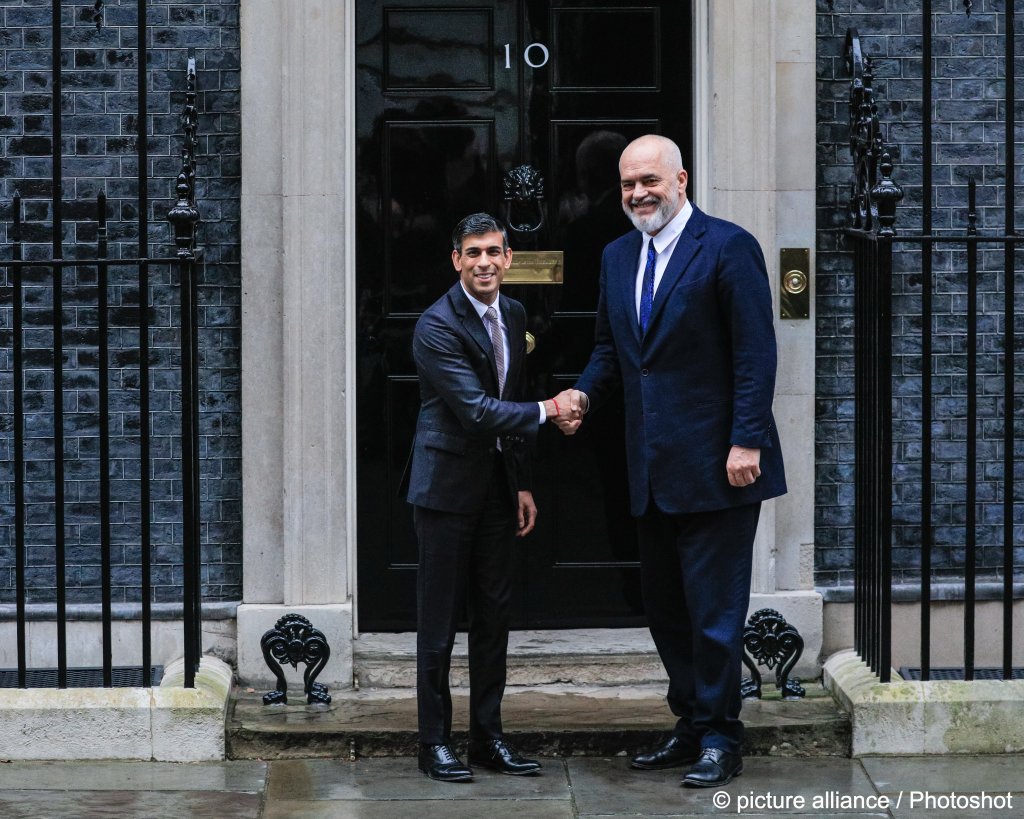
While the overall grant rate for Albanians in the period to June 2022 was just over half, it was substantially higher for women (88%) than for men (13%).
Also read: At least six out of ten Channel migrants qualify for asylum
As the committee was preparing its report, the government held a number of bilateral meetings with the Albanian authorities. The two countries exchanged verbal blows several times but have now signed up to a series of agreements which have seen several thousand Albanians sent from the UK back to Albania.
The report warned that "politicians, commentators and others should be careful to show restraint in their language and not single out Albania as the sole cause of the UK’s asylum pressures," because "maintaining positive relations with the Albanian government should also be a key priority to ensure that the UK can return irregular migrants and offenders from UK prisons."
Albanian citizens part of asylum case backlog
A significant number of Albanian citizens are present in the UK’s ongoing asylum backlog which the government calls a "legacy backlog," referring to applications lodged before June 2022.
Braverman told the committee that this backlog previously stood at 92,00 and has now fallen by 17,000. That was disputed by the committee's chair, Diana Johnson, who pointed out that the overall current numbers of asylum applications had in fact risen from November 22 to May 23, even if the government had started to clear its "legacy backlog."
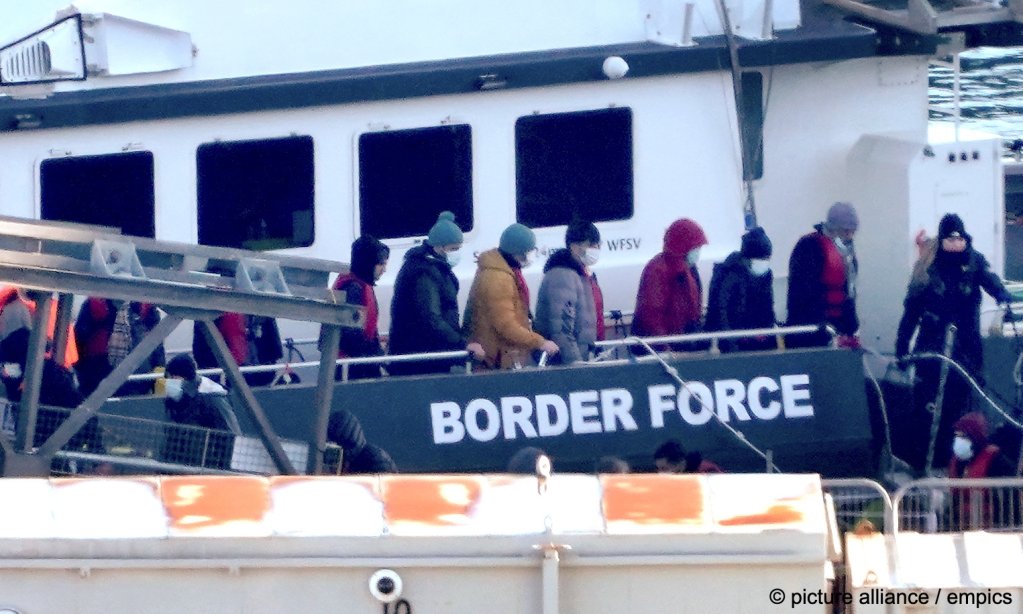
The select committee found that a key driver of migration from Albania to the UK is economic. Albanians are choosing to make small boat crossings in the hope that they can access improved job prospects and higher incomes, the report said, and stated that Albanians will continue to come to the UK until their country becomes wealthier.
Also read: Modern slavery, Albanians in the UK back in focus
The committee found that the UK should do more to improve awareness of the work visa programs available to Albanians which would offer an "alternative to people smuggling gangs and reduce the burden on the asylum system."
Work visas as an alternative to asylum
In the first nine months of 2022, only 325 work visas were granted to Albanian nationals, the committee found. They said that from evidence submitted to the enquiry, there was a "perceived difficulty in obtaining work in the UK through legal means [which] could be driving people towards clandestine migration routes."
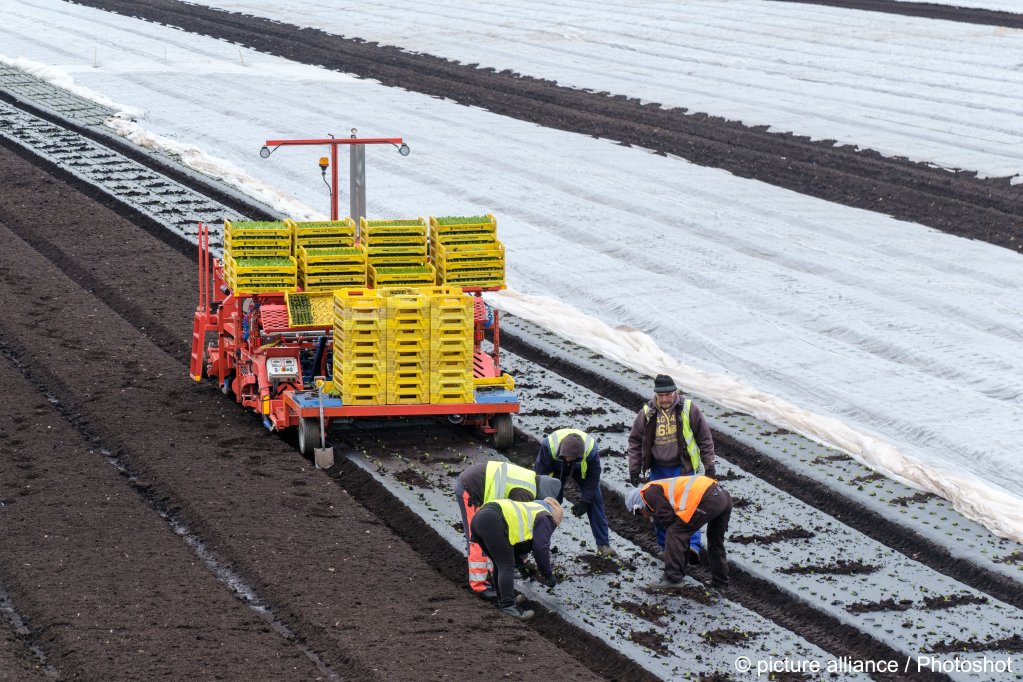
The committee encouraged the government to promote the availability of visas in order to fill worker shortages in the UK economy and simultaneously enable "transfer of wealth back to Albania." It suggested work visas should include short-term or seasonal work in sectors such as construction or agriculture.
Also read: UK arrests suspected smuggler in operation against criminal gangs
According to the UK government’s website, workers can apply for a seasonal work visa for up to six months to work in the horticulture sector, "for example picking fruit and vegetables or flowers." Workers could also apply for a seasonal poultry visa to work between October 2 and December 31. Applications for poultry seasonal worker visas needed to be submitted by November 15 each year, and workers hoping to work in the horticulture sector could apply at any time.
Requirements of the work visa
To apply, workers need to "have a sponsor and meet the other eligibility requirements," which include being over 18 and having enough money to support yourself in the UK. As a rule applicants need at least £1,270 [about €1,486]. The sponsor will provide the worker with a certificate of sponsorship reference number which must be attached to the application. This will mean that you have to stay working in that job with that sponsor for the duration of the visa.
Also read: UK government makes U-turn over Albanians crossing the Channel
If you intend to apply you must show that you are able to support yourself and provide evidence of a recent bank account. The visa application fee is £259 (about €303) and the application must be made up to three months before starting work. For horticultural work you can stay for up to six months and for poultry work you can stay between October 18 and December 31.
While in the UK, you can work in the job described in your certificate of sponsorship or study. But you cannot take up a permanent job, work in a second job or a job that is not described in your certificate of sponsorship, get public funds, or bring family members with you.