
Only 271 Afghan asylum seekers were resettled in the European Union in 2022 according to a report by a leading charity. This is equivalent to 0.1% of the more than 270,000 Afghans identified as needing protection.
Following the Taliban takeover of Afghanistan in August 2021, thousands of Afghans sought refuge in the European Union. Two years on, only 271 Afghans have been resettled in the last year, British news outlet The Guardian reported on May 31.
The news report cited findings by the charity International Rescue Committee (IRC) which accused EU leaders of "staggering neglect" of Afghans and "consistently" failing to deliver on legal resettlement promises.
The IRC report entitled, “Two Years On: Afghans Still Lack Pathways to Safety in the EU”, detailed how EU countries defaulted on their commitments and pledges to help Afghans through humanitarian admission, family reunification, and other protection pathways.
"Practical or bureaucratic hurdles – including narrow eligibility criteria, strict evidentiary requirements, and low processing capacity – are limiting the scale, pace, and progress of EU efforts to bring Afghans to safety," stated the IRC report.
Failed and unfulfilled promises
Between 2021 and 2022, about 41,500 Afghans at risk were admitted to the EU after the Taliban overthrew Ashraf Ghani's government and seized power in Afghanistan.
Many Afghans fled the country in fear of being targeted for their association with coalition forces, Afghanistan’s former government, media, and other organizations promoting human rights.
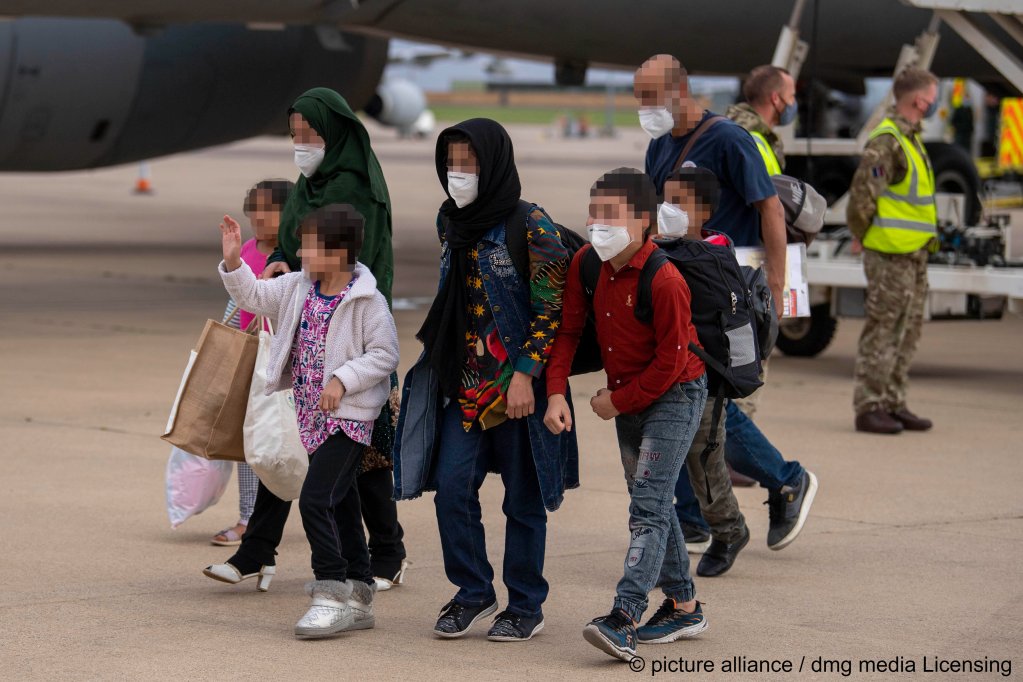
In 2021, Germany implemented a special government program to resettle up to 1,000 Afghans a month.
The scheme was created to aid artists and cultural figures, a group that is rarely recognized as at risk, as well as others made vulnerable because of their gender, sexual orientation, or religion, among others.
However, last March, Germany temporarily stopped processing admission applications from Afghan nationals because of alleged attempts to abuse the system.
As a result, the IRC claimed that not a single Afghan has been resettled in Germany under the scheme.
Severe delays and slow integration
In November 2021, Italy launched a humanitarian corridor program to enable the entry of 1,200 Afghan nationals. However, factors like the lack of machines required for fingerprinting at the Italian embassies in Pakistan and Iran needed to register Afghan refugees prior to departure, caused "severe delays".
As of mid-May 2023, just under 600 Afghan nationals arrived in Italy through these humanitarian corridors, half of the initial target, the IRC report noted.
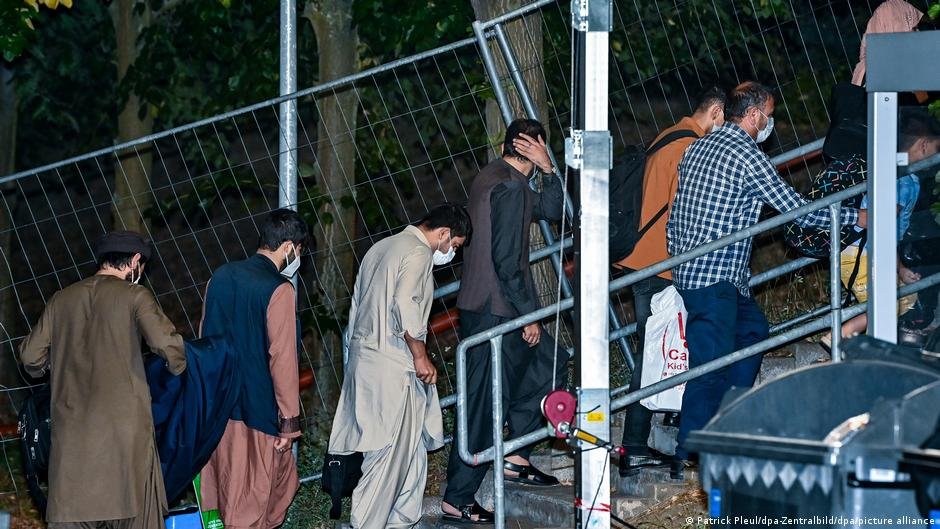
In Greece, many Afghan refugees remain trapped in “prison-like” conditions in remote camps on Greek islands hampering their integration into local communities and impacting their mental health.
The IRC’s mental health teams in Lesbos and Athens noted that more than 90% of Afghans experienced symptoms of anxiety and 86% of depression.
Some EU states committed to welcome a limited number of Afghans over two years, while at least nine EU states have not made any pledges at all.
No excuse for different treatment
"This report highlights staggering neglect of Afghans by the member states of the European Union, which puts them at risk at every step of their journeys in search of protection," David Miliband, head of the International Rescue Committee said in a statement.
Miliband added that the welcome EU member states showed to more than 8 million people fleeing Ukraine indicate the European bloc’s capacity to deliver on protection programs.
Days after Russia invaded Ukraine in March 2022, the European Union activated the Temporary Protection Directive (TPD), a set of measures meant to provide immediate but time-bound assistance to displaced people.
The TPD allowed the millions of fleeing Ukrainians to immediately access healthcare, welfare, housing, and employment in the countries they sought refuge in. The TPD gave Ukrainians almost the same rights and privileges as local nationals.
It was the first time the EU implemented the directive since its adoption in 2001.
"There is simply no excuse for treating Afghans, and refugees forced from their homes elsewhere, any differently," Miliband added.
Read more: Can EU asylum policies on Ukraine offer examples for future asylum policies for all?
Other efforts to help Afghans
The Guardian noted that the IRC report did not appear to reflect the wider efforts EU member states made to support Afghans in distress.
The Guardian cited March data from the German Office of National Statistics, Destatis, indicating that 286,000 Afghan nationals arrived and were registered in the country in 2022.
In addition, an estimated 399,000 people in Germany received asylum benefits at the end of 2021. About a third of the recipients were minors. The top countries of origin were Afghanistan, Iraq, and Syria.
Beginning in August 2021, the EU pledged up to €1 billion in humanitarian aid, livelihood assistance, and crisis response programs to support Afghanistan. Implementation of these programs is channeled mainly through UN agencies working in Afghanistan.