
The five border guards were arrested on suspicion of accepting bribes and breach of duty. Amidst tighter sea patrols, more migrants are attempting to cross the River Evros, Greece’s natural border with Turkey.
Greek authorities arrested five border police officers on Monday (May 29) over allegations of involvement in a smuggling network that brought migrants into the country from Turkey, reported the Associated Press.
The five men appeared before a prosecutor in the northeastern city of Orestiada on Tuesday (30 May).
The border control officers were assigned to the Didymoteicho Border Guard Department in the northeastern Evros region bordering Turkey. The border guards were arrested on suspicion of accepting bribes and breach of duty.
Greek police conducted a months-long investigation using telephone monitoring and surveillance which revealed that the border police officers were involved in smuggling at least 100 migrants on at least 12 occasions in the Didymoteicho area in northeastern Greece.
"An investigation so far has shown that the officers had been in contact with networks operating in a neighboring country at least since October, and allegedly carried out actions or omissions aimed at facilitating the entry of (non-EU) nationals into our country," the Greek police said in a statement.
Evidence collected during the investigation included nearly 60 cell phones, €26,000, and banknotes from a number of Asian countries.
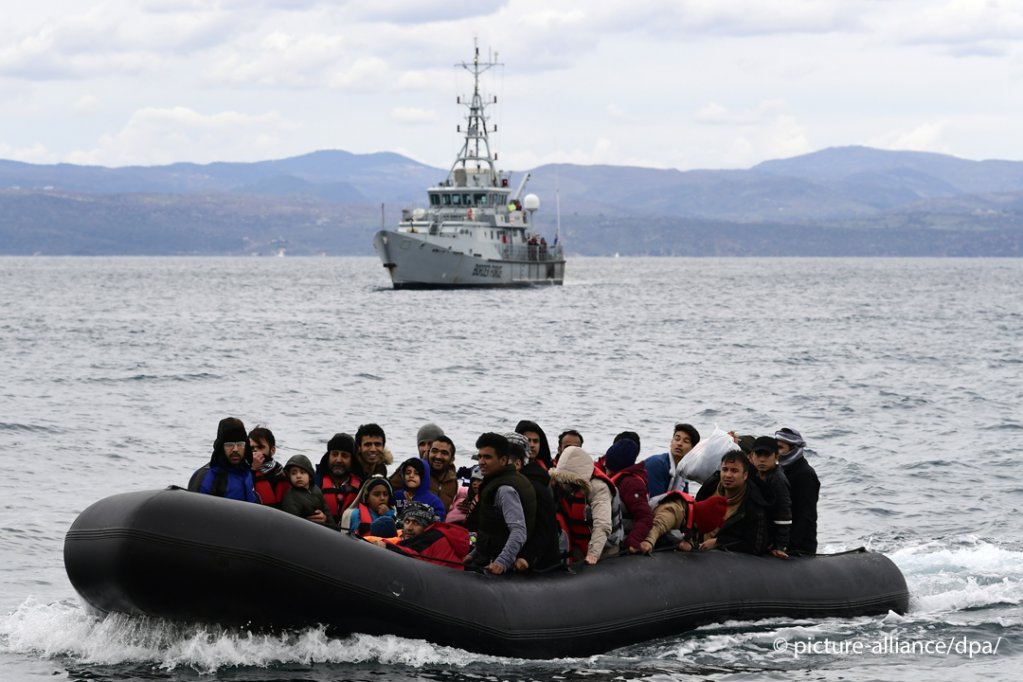
Migrants crossing into Greece
Turkey was at the center of the Mediterranean migrant surge when arrivals first reached record highs. Turkey remains facing some of the biggest challenges in terms of irregular migration by land and sea, as reported by the International Organization for Migration (IOM).
The IOM estimates the number of migrants and refugees in Turkey now at 3.9 million, over 90 percent of whom are Syrian and came to Turkey as a result of the ongoing war in Syria.
Greece has bolstered patrols in the Aegean Sea making it harder for migrants to reach Greek islands.
A video published earlier this month by the New York Times captured Greek authorities abandoning migrants at sea, a violation of international law. Athens is currently investigating the incident.
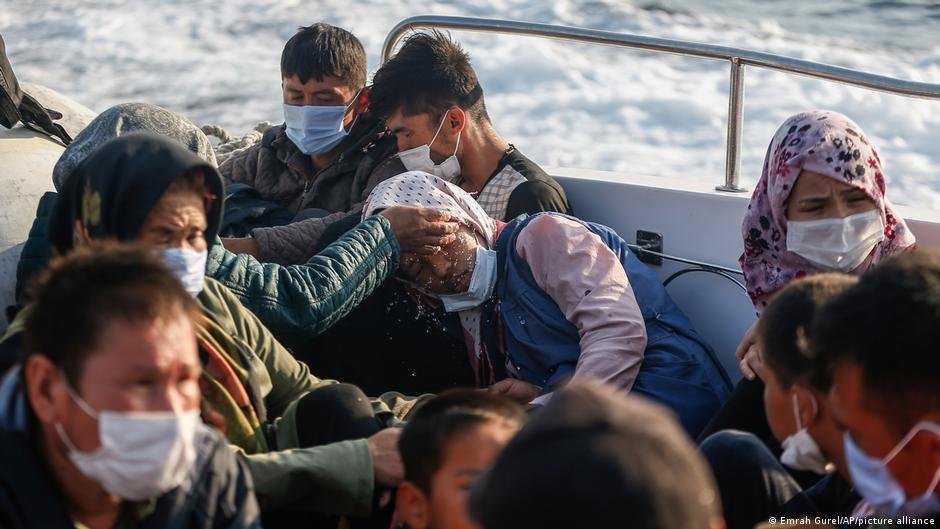
Amidst tighter sea patrols, more are attempting to cross the River Evros, Greece’s natural border with Turkey. From there, smugglers reportedly pick them up by road.
Athens has extended a five-meter-high steel fence that runs along the river by 35 kilometers and plans to extend the fence to a total of 100 kilometers by 2026.
Greece has reportedly barred some 265,000 migrants from entering the country illegally last year.

Extension of border fence
In the wake of thousands displaced by the earthquakes in southeast Turkey and northern Syria resulting last February, Greece has fortified its borders.
According to the European Council for Refugees and Exiles (ECRE), hundreds of border guards have reportedly begun patrols in the Evros region which has long been notorious for its systematic pushbacks or forcibly denying entry into border-controlled state territory.
At the Second European Border Management Conference in Athens last February, the Greek migration minister, Notis Mitarachi, defended the extension of the border fence saying it was "necessary for our own migration policy, a choice of national significance."
Mitarachi further stated that it "will be built along the entire length of Greece’s border, with or without European funding."