
Asylum seekers awaiting deportation in the United Kingdom were physically prevented from taking their own lives or self-harming. Mental health experts say migrants experience mental health problems more compared to the general population.
A report released by The Guardian revealed the mental anguish experienced by refugees and asylum seekers in the Brook House detention center in the United Kingdom and how staff and facilities are ill-equipped to meet the needs of detainees with mental health issues.
The news story released last week showed that migrants awaiting deportation at the Brook House immigration removal center located near Gatwick Airport south of London made attempts to complete suicide or inflict harm on themselves.
Documents secured through freedom of information laws showed that on at least 18 occasions last year, Brook House staff used physical force to prevent suicide and self-harm attempts.
At least 19 people detained at the facility were awaiting deportation to Rwanda. One asylum seeker attempted suicide after meeting with immigration officials. Another became distressed during a meeting to discuss his immigration status and began banging his head against the wall.
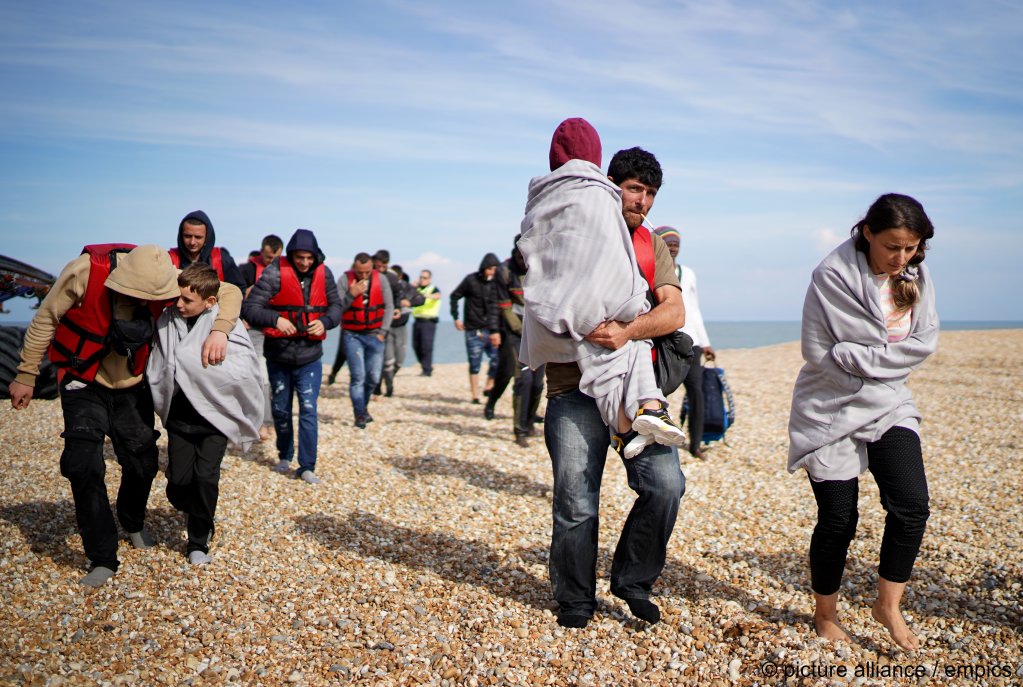
Stop the boats
Last March, the UK Parliament introduced the "Illegal Migration Bill" also known as "Stop the Boats" in reference to the migrants attempting passage into the UK on small boats.
If approved, migrants arriving in the UK will be detained and deported and will be banned from returning for life. In addition, there will be a cap on the number of refugees the UK will take in through safe and legal routes.
The UK has identified Rwanda as a “safe” third country for deportation.
UK Home Secretary Suella Braverman visited Rwanda last month to advance the country’s plans to outsource asylum procedures to the central African country.
Long periods of detention
An inspectorate report published in October described Brook House, a privately operated detention center, as a crowded, prison-like environment with inadequate ventilation.
The report also said that many detainees experienced “extremely lengthy periods of detention”. The longest period of detention was recorded at 16 months.
There are established procedures in place in immigration removal centers and short-term holding facilities to minimize instances of self-harm.
However, as indicated in the inspectorate report on Brook House, “It is clear there are extensive failures and lack of safeguards for maintaining and caring for those detainees suffering with mental health problems.”
In response to The Guardian’s report, Mick Pimblett, the assistant general secretary at the Prison Officers Association, told the news agency, “Our members at Brook House work in one of the most challenging workplaces in the UK. They are constantly dealing with violent, aggressive, and emotional individuals and do so with great professionalism. Whilst the number of use-of-force incidents is concerning, it must be noted that there is no suggestion within these figures that the force was unreasonable, unjustifiable, or disproportionate.”
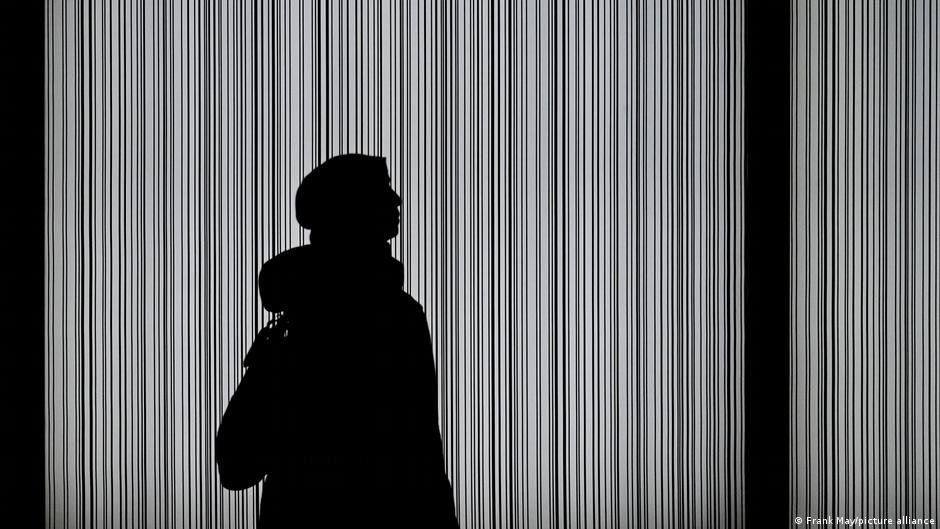
Mental health issues higher among migrants
According to a 2021 World Health Organization (WHO) study, common mental disorders such as depression, anxiety, and post-traumatic stress disorder (PTSD) tend to be higher among migrants compared to the general population.
Stress factors such as socioeconomic deprivation, persecution, and racism experienced before, during, and after migration overlap and have a cumulative effect on mental well-being. In addition, these factors can exacerbate mental health problems that already exist.
The WHO also noted that children who have been separated from their parents are at heightened risk of developing depression, anxiety, thoughts of suicide, and substance use problems.
The WHO recommends avoiding migration policies that add to mental anxiety such as the separation of families and children. Access to employment and education opportunities as well as mental health care and support can facilitate the social integration of migrants and refugees and help soften the stress factors that adversely impact mental health and well-being.
“Migrants and refugees contribute positively to society, but they cannot reach their full potential unless they are in good physical and mental health,” concluded the WHO study.
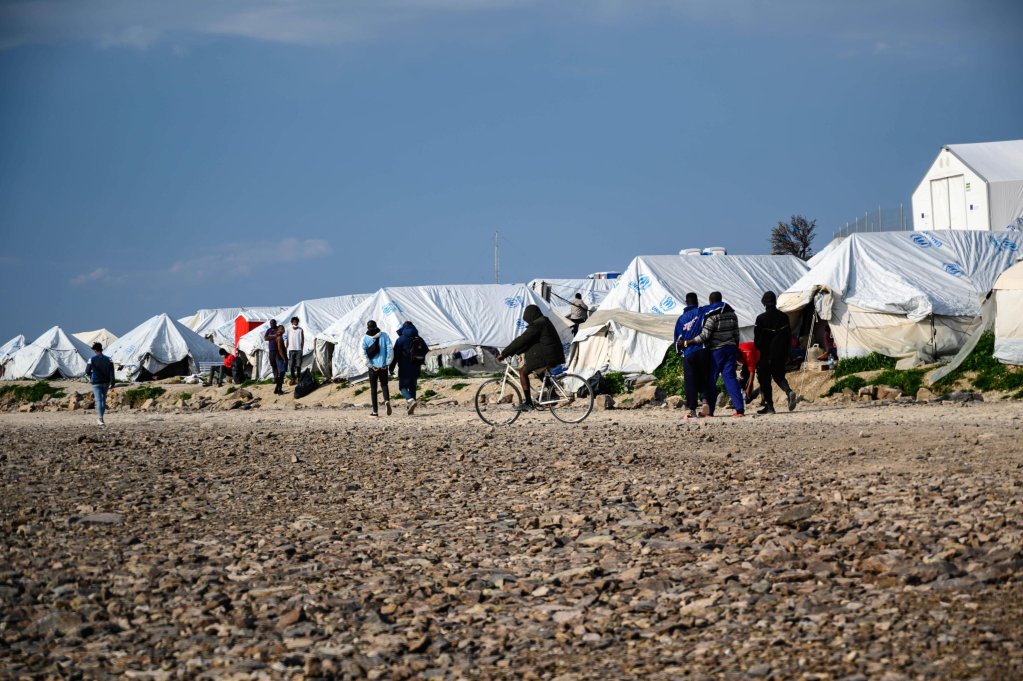
Alarming levels of mental health suffering
In Kara Tepe on the Greek island of Lesbos, Vassia Danaskou, Medecins Sans Frontieres (MSF) Mental Health Activity Manager in the project in Lesbos, said that the health organization responds to alarming levels of mental health suffering.
"Their journey to the island is already quite traumatic and then when they get here, there is always that fear of deportation. We are talking about many dramatic life events that overlap and impact one's mental health," Danaskou told InfoMigrants.
Danaskou noted common symptoms of post-traumatic stress disorder (PTSD), anxiety, suicidal tendencies, self-harm, and psychosis among the migrants arriving in Lesbos.
Migrants have also been observed to experience reactive psychosis or psychotic symptoms that are triggered by traumatic and disturbing events.
The containment and structural violence of daily life in the camp do not help.
"Every day is a struggle to meet the daily needs of food, access to clean toilet facilities, and safety. Lines to get food are long. Sometimes we get complaints of mice, bed bugs, and ticks. Sometimes fires break out. There is no point where you can feel safe. There is no privacy but you are always being watched by the police."
Recently, the Greek government changed the name of the camp from Reception Identification Center to Closed Control Access Center.
"The people here have told us that life here is like detention even if we are not calling it that," said Danaskou.
Correction note: We updated this article on April 27, 2023. An earlier version cited the MSF Health Activity Manager working at the Mavrovouni camp. Rather, MSF operates a clinic operations across the Mavrovouni camp. An MSF statement on camp conditions was also updated to reflect reports from people about living conditions in the Mavrovouni camp.