
At the conclusion of a fact-finding mission in Libya, the UN Human Rights Council declared that there are "reasonable grounds to believe that crimes against humanity have been committed against Libyans and migrants throughout Libya since 2016."
"Gross violations of humanitarian law and crimes against humanity against migrants and persons deprived of Libya" were just some of the evidence presented by investigators from the UN’s independent fact finding mission on Libya presented by the United Nations Human Rights Council OHCHR on Monday (April 3).
The situation in Libya continues to be "very dire", said Mohamed Auajjar, head of the mission.
He added that "violations continued unabated, and fundamental freedoms and the human rights situation had deteriorated."
Also read: Migrants in Brindisi tell stories of abuse and torture in Libya
'Crimes against humanity'
Most of the crimes against humanity, said the report, were committed in the context of detention centers. They found numerous cases of arbitrary detention, murder, torture, rape, enslavement, sexual slavery and enforced disappearance, saying these were "widespread practice in Libya."
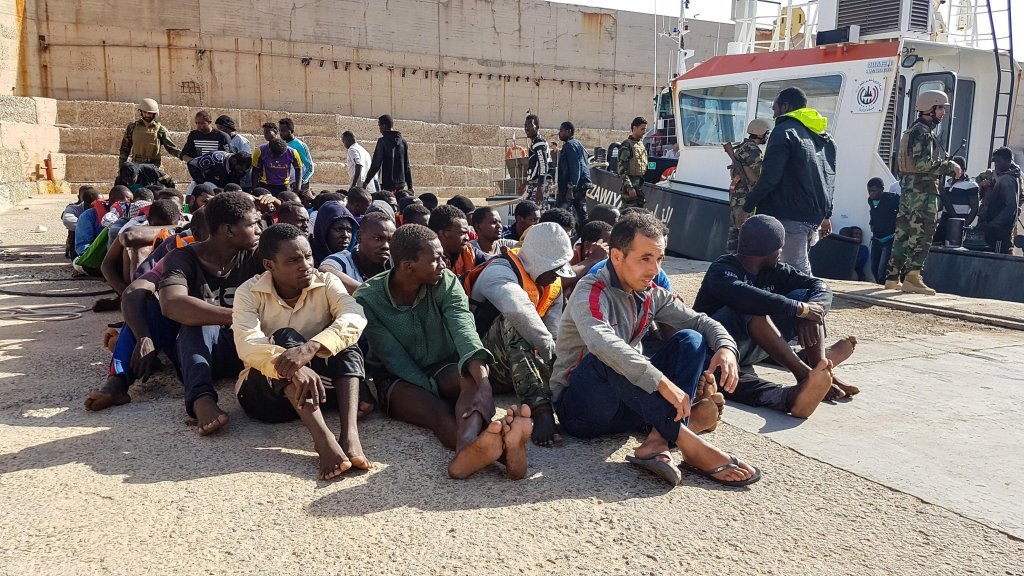
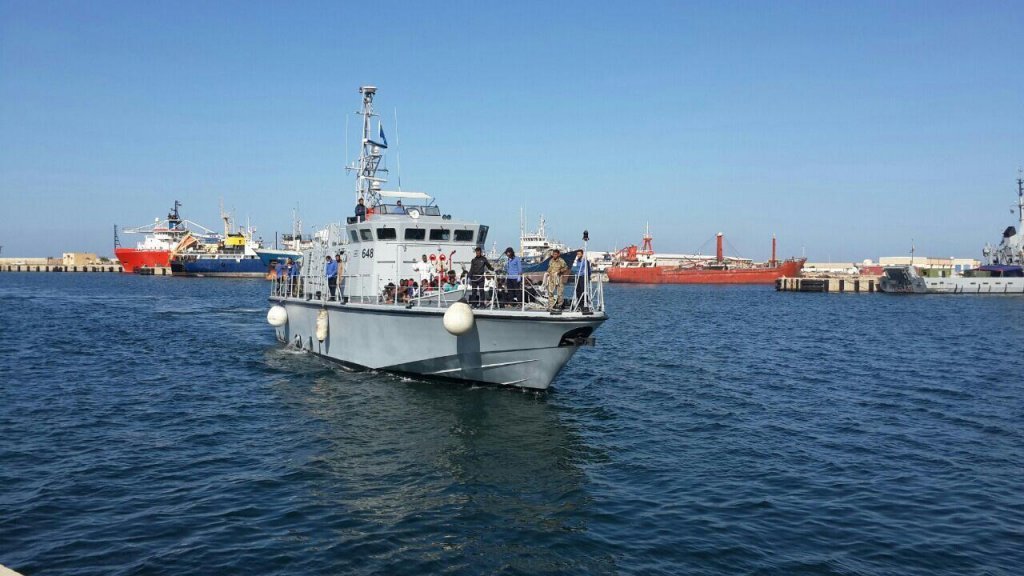
Many migrants and human rights organizations have provided evidence suggesting that at least some of the prisons and detention centers are operated by groups working directly or indirectly with or for the Libyan authorities. Numerous accusations have also been levelled at the Libyan coast guard and their treatment of migrants.
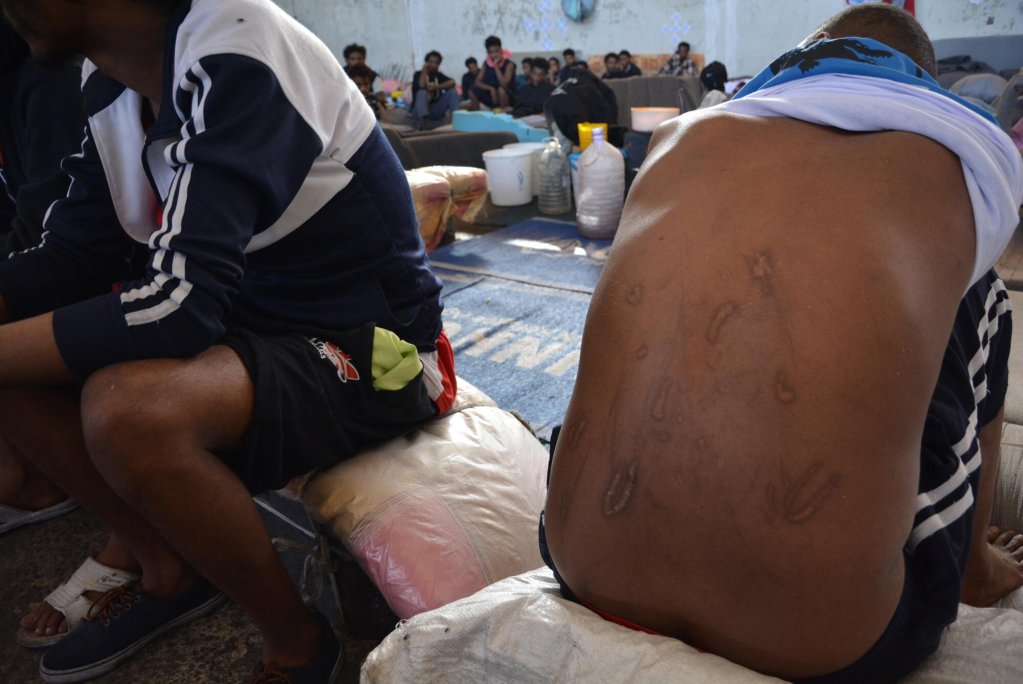
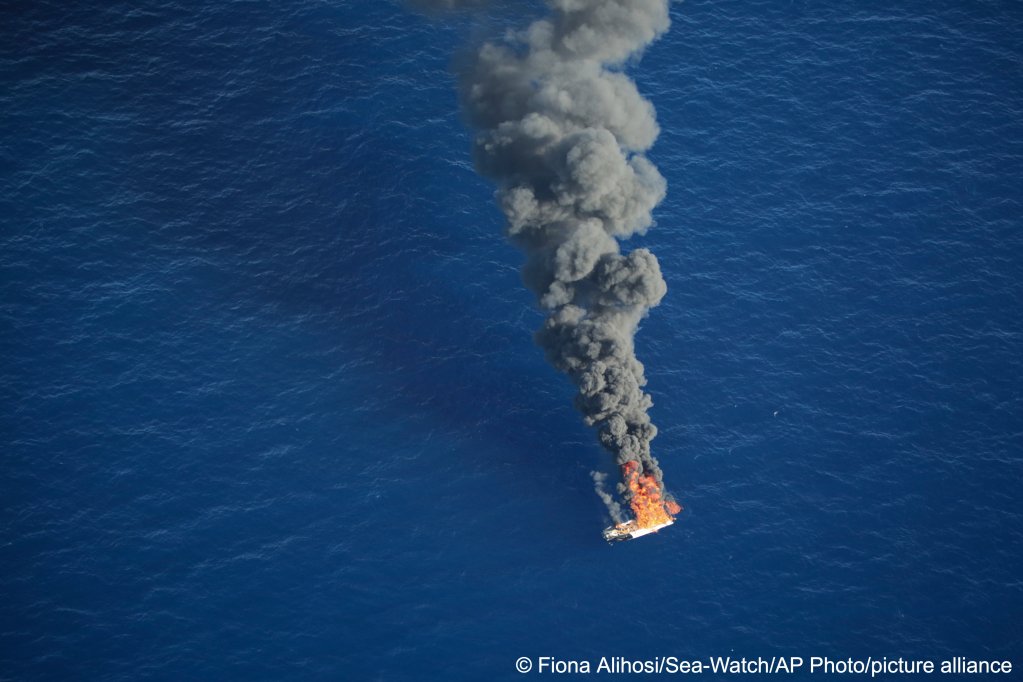
Some reports have alleged (based on photographic and video evidence as well as witness testimony) that some commanders within the coast guards could be running their own militias and profiteering from picking up migrants at sea, sending them to be detained, and then demanding more money from the detained migrants to be released and sent across the Mediterranean for another attempt to reach Europe.
State authorities implicated in crimes
The report itself noted that there was a "rapid, deep and ongoing absorption of armed groups and their leadership into state-affiliated structures and insitutions, including the Libyan Arab Armed Forces [LAAF -- a force commanded by General Khalifa Haftar who controls some of eastern and southern Libya] and the spread of Salafist-leaning conservative ideologies," which were of "significant concern" to the mission.
The mission found that "state authorities and affiliated entities, such as the deterrence apparatus for combating organized crime and terrorism, the LAAF, the Internal Security Agency and the Stability Support Apparatus, and their leadership were repeatedly involved in violations and abuses arising in the context of detention."
Also read: Libya, Sudanese teenager released after five months in detention
Following up on previous UN reports and fact-finding missions in Libya, the report found that many of the crimes against humanity committed against migrants in places of detention were carried out in places under the "actual or nomiinal control of Libya’s Directorate for Combating Illegal Migration (DCIM), the Libyan Coast Guard and the Stability Support Apparatus." These entitites, pointed out the report, all received technical, logistical and monetary support from the European Union and its member states, in order to intercept and return migrants to Libya.
They recommended that the Libyan authorities investigate these violations and prosecute the individuals allegedly responsible.
Continuing monitoring needed
The mission urged the OHCHR to establish a mechanism by which they could continue to monitor the situation and report on "gross human rights violations in Libya, with a view to assisting the Libyan authorities in achieving transitional justice and accountability."
The mission also asked the Libyan authorities to undertake the effective disarmament of illegal arms, in addition to demobilization, reintegration and rehabilitiation measures to make sure that the armed and security forces maintained international standards and practices.
The cessation of all military trials of civilians and a halt to the implementation of judgements issued by military courts against civilians was called for. In terms of treatment of migrants, the mission asked the Libyan authorities to make sure that the entry of migrants into the country and their stay therein met all human rights standards. Any migrants who had been arbitrarily detained should be released and secret prisons should be dismantled.
Also read: Migrants tortured on Libya-Sicily route, five arrested
The Libyan authorities however told the mission that they rejected the recommendations to establish a monitoring and follow-up mechanism in the country. They said they found the mission’s findings "surprising, considering the actions taken by the authorities to prosecute the perpetrators of violations and provide justice to the victims."
The authorities did however add that the situation in Libya was one of "exceptional circumstances" since the country was hosting nearly one million migrants without the correct papers to be there. They said that "transnational efforts were needed to address this issue."
Violations and abuses connected to power and money
Violations and abuses investigated by the mission "were connected primarily to the consolidation of power and wealth by militias and other state-affiliated groups, through, for instance, the misappropriation of public funds." The UN report suggested that the money people were making through this kind of behaviour was incentivizing the continuation of violations documented.
The mission warned that its mandate was coming to an end just as the human rights situation in Libya was "deteriorating" and "parallel state authorities are emerging and the legistlative, executive and security sector reforms needed to uphold the rule of law and unify the country are far from being realized."
Also read: Human Rights Watch, EU agency 'complicit' in human rights abuse in Libya
In this context, noted the report, "armed groups implicated in allegations of torture, arbitrary detention, trafficking and sexual violence remain unaccountable." In addition, some of the fact-finding mission was hampered by a "myriad of resource, access and security-related challenges."
Access denied and hampered
Cooperation with the Libyan authorities improved during the mission’s mandate, which effectively began in June 2021, but access to Libyan territory was often hampered when the mission struggled to obtain the permissions necessary to gain unhindered access to places of detention for instance.
Investigators for the mission were prevented from entering southern Libya and Sabha. Security concerns were given as the reason for this refusal to grant access, but when the investigators appealed or tried to ask questions, they said they received no reply from the relevant authorities.
A "climate of fear" surrounding witnesses and civil society also hampered the mission’s investigations, stated the report. "There were instances when groups and individuals declined to meet with the mission in particular locations, or at all, because of the fear of reprisal."
According to the report, during the mission’s mandate, more than 670,000 migrans from over 41 countries were preent in Libya, and the numbers have been increasing since 2021. All the migrants interviewed shared "similar accounts of an abhorrent cycle of violence."
Cycles of capture, recapture and transfer through detention centers
On entering Libya, often with the help of smugglers, migrants were subjected to a cycle of capture, recapture and transfer from official and unofficial detention centers without any recourse to judicial review. Racial discrimination was also persistent, states the report.
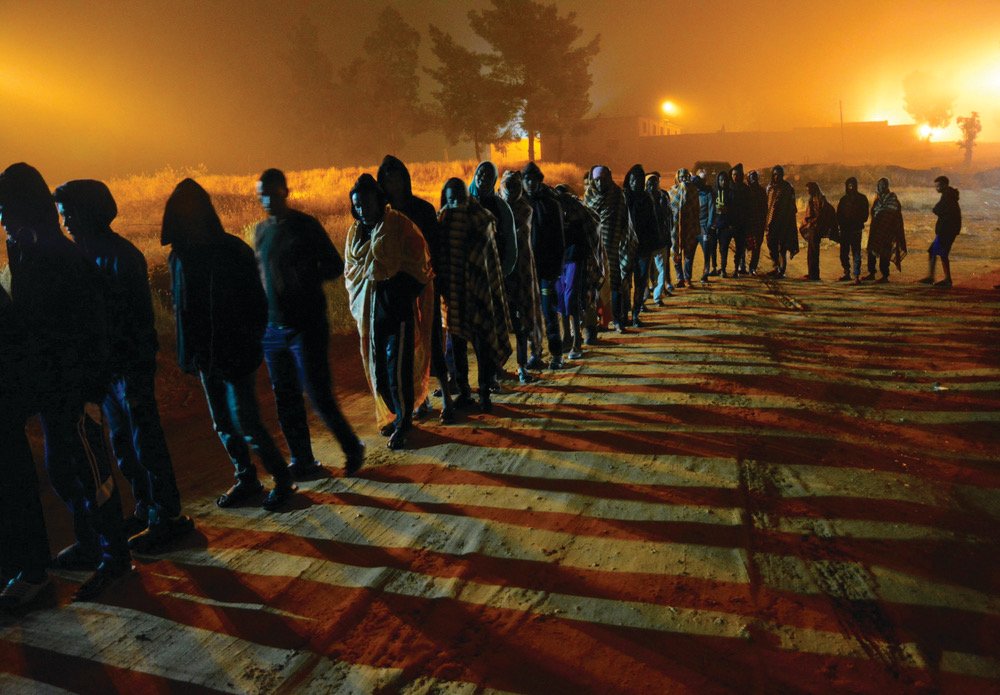
In all, the mission spoke with more than 100 migrants. After hearing their evidence, they said they believed that migrants across Libya are also the victims of crimes against humanity. This includes "acts of murder, enforced disappearance, torture, enslavement, sexual violence, rape and other inhumane acts." They said they also believed the sexual slavery, which is a crime against humanity had also been committed in the trafficking hubs of Bani Walid and Sabratah during the mission’s mandate.
Also read: MSF, helping survivors of torture at a special clinic in Palermo
The mission found that crimes such as these were committed in the detention centers run by the authorities via the Directorate for Combating Illegal Migration in Tariq al-Matar, Abu Salim, Ayn Zarah, Abu Isa, Gharyan, Tariq al Sikka, Mabani, Salah al-Din and Zawiyah. Also similar crimes took place in unofficial detention centers, particularly, found investigators, in Al Shwarif, Bani Walid, Sabratah, Zuwarah and Sabha.
Libyan coast guard implicated
The mission said it had identified that the Stability Support Apparatus, in cooperation with the Libyan coast guard had played a "signficant role" in these crimes and their control of detention centers in Abu Salim and Ayn Zarah.
The DCIM is an official entity, noted the report, which comes under the control of Libya’s Interior Ministry and is responsible for migrant detention centers in the country.
They found that because the crimes were so widespread, officials from the DCIM at all levels "are implicated."
In addition, the mission found "reasonable gorunds that high-ranking staff of the Libyan coast guard, the Stability Support Apparatus and the DCIM colluded with traffickers and smugglers, which are reportedly connected to militia groups, in the context of the interception and deprivation of liberty of migrants."
One head of a regional unit of the Libyan coast guard in Zawiyah, Abd al-Rahman al-Milad, also known as Bija, is already on the UN Security Council’s sanctions list for his alleged involvement in trafficking and smuggling.
Also read: Brutal video of 15-year-old Sudanese kidnapped in Libya