
The bodies of 29 migrants from sub-Saharan African countries have been recovered off the Tunisian coast after three migrant vessels suffered shipwreck. The latest tragedy comes after Tunisia's President gave a speech last month, in which he tried to turn public sentiment against irregular migrants, resulting in a growing exodus.
The Tunisian coast guard said that it had managed to rescue only 11 irregular migrants "of various African nationalities" after three boats had sunk off the North African country's coast.
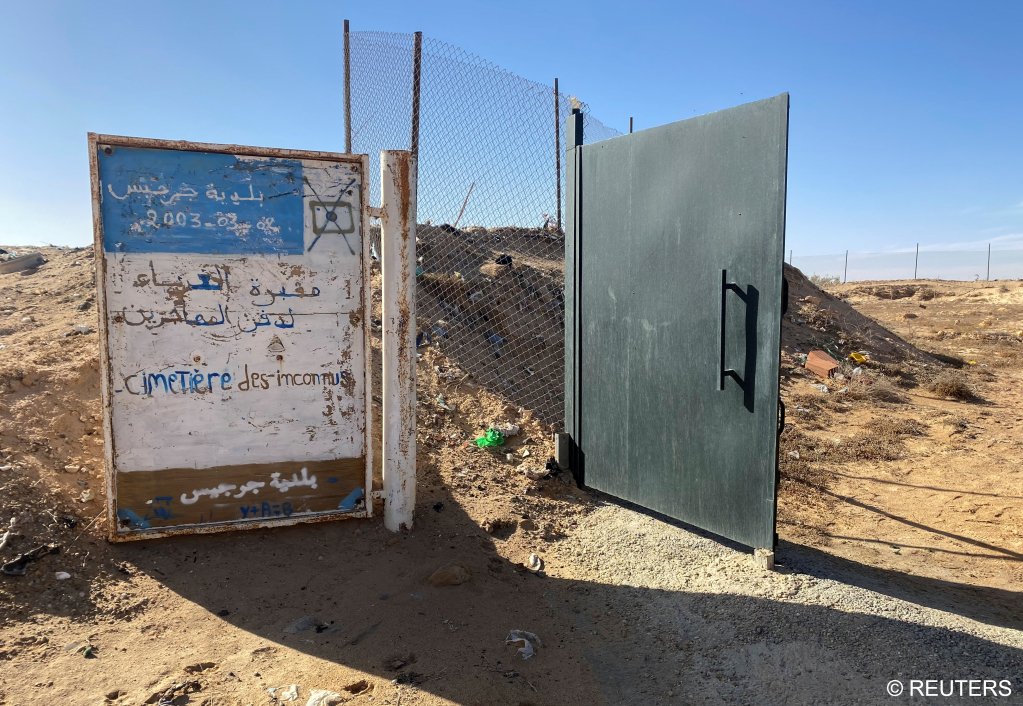
Meanwhile, a total of 29 bodies were recovered: A coast guard patrol boat off the coastal city of Mahdiya recovered eight bodies, and a Tunisian fishing trawler found 19 bodies nearly 60 kilometers off the coast. Fishing trawlers in the coastal town of Sfax meanwhile recovered two further bodies.
A Tunisian NGO, which tracks migration issues, said that a total of five boats are believed to have sunk in the past two days, and that 67 people remain unaccounted for.
The number of people drowning after departing from Tunisia's coast has been rising sharply in recent months, with more and more shipwrecks being reported.
Read more: Italy: 28 minors among victims of migrant shipwreck off Calabria
Incitement against sub-Saharan migrants
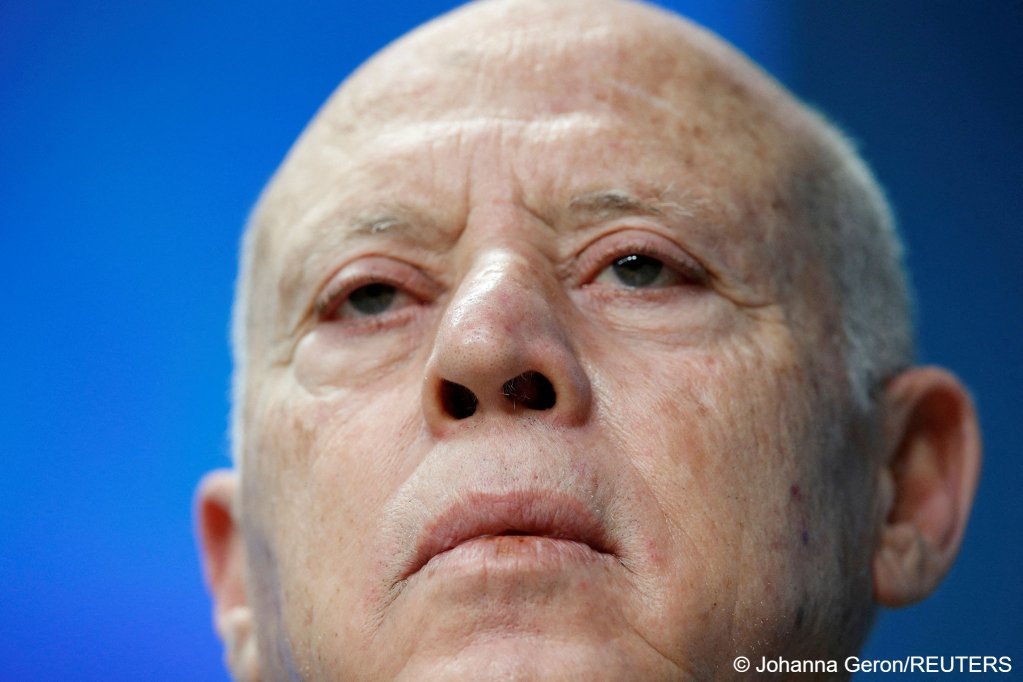
Black migrants in Tunisia have recently been facing a spike in xenophobic and racist violence since an incendiary speech by President Kais Saied last month. Saied accused sub-Saharan Africans of being responsible for a spike in crime in the country as well as contributing to the overall state of poverty and economic stress which the country has been suffering in recent years.
Among other things, Saied claimed that irregular immigrants from sub-Saharan Africa were part of a conspiracy to turn Tunisia into "a purely African country with no affiliation to the Arab and Islamic nations." He also said they "want division and discord and seek to damage our relations with our brothers."
Feeling victimized as scapegoats by the President's words, hundreds of migrants have since been living in the streets in increasingly desperate conditions. Many of the migrants currently in Tunisia are fleeing conflict and poverty in their home countries, hoping to eventually reach European soil.
Read more: Tunisia: Presidential scapegoating stokes fear and support
Since Saied's speech, hundreds of migrants have been sent back to their home countries in flights chartered by the embassies of their respective governments. Others say they fear to return home and have called on the UN to organize evacuation flights to safe third countries.
The nearest Italian island, Lampedusa, meanwhile is located only 150 kilometers away; however, each year, dozens of people die trying on perilous journeys trying to get there.
The United Nations has described the journey from Tunisia as the most deadly migrant route in the world.
Read more: Where do migrants from sub-Saharan Africa go?
All eyes on Tunisia
Across the Mediterranean, Italian Prime Minister Giorgia Meloni meanwhile has started to agitate the public against arrivals from Tunisia. The far-right politician said on Friday that Tunisia's "serious financial problems" could spark a fresh "migratory wave" towards Europe. Since the beginning of the year, over 20,000 migrants have reached Italy by sea.
The European Union's foreign policy chief Josep Borrell also issued a warning last week, saying that Tunisia risked economic collapse, and that this development could trigger a new flow of migrants to Europe.
Last week, European Commission President Ursula von der Leyen wrote that the EU was ready to mobilize an additional €110 million to North African countries, including Tunisia, to prevent people risking their lives by crossing the Mediterranean on small boats.
Read more: Italy 'left alone' to rescue migrants at sea, PM Meloni says
Tunisians on the move
In addition to sub-Saharan migrants, Tunisians themselves make up a large proportion of the migrants attempting to travel to Italian shores.
The North African country is trying to strike a deal with the International Monetary Fund (IMF) for a $2-billion bailout package, which might curb the current trend in migration.
However, talks with the IMF are stalled, and US Secretary of State Antony Blinken said that unless the country reaches an agreement with the IMF, "the economy risks falling off the deep end."
Read more: EU fears instability in Tunisia could lead to more migration
with AP, AFP