
On Thursday, the Italian coast guard rescued around 750 migrants from two boats off the coast of Italy. Last month, a shipwreck off the Italian coast of Calabria killed at least 89 people, making it the worst maritime tragedy in recent history.
The Italian coast guard rescued around 750 people in two separate operations off the country's southern coastline on Thursday (March 23).
In a statement, the coast guard said that a boat with 295 people on board was intercepted in international waters off the coast of the southern Italian region of Calabria. The coast guard also rescued another 450 people from a second fishing vessel 185 kilometers east of Syracuse in southern Sicily.
The migrants were taken in coast guard patrol boats to safety on land.
Deadly route
The rescue operations came hours after four African migrant boats sank off Tunisia on Wednesday and Thursday as they tried to cross the Mediterranean towards Italy. News agency Reuters reported at least five dead and 33 missing, while the coast guard said it had rescued 84 others.
The Central Mediterranean Sea is the deadliest migration route to Europe. Last year, the International Organization for Migration (IOM) estimated that more than 1,500 people had drowned in the Central Mediterranean while trying to reach European shores. Actual numbers are thought to be higher.
A 2022 UN Refugee Agency (UNHCR) data visualization report focused specifically on the route from the East and Horn of Africa to the Central Mediterranean Sea illustrating the horrific experiences and dangers faced by refugees and migrants who resort to this migration route.
Onslaught of criticism
The arrival of thousands of migrants making their way from Africa across the Mediterranean Sea to Italy in mostly flimsy fishing boats has been a heated topic for weeks.
News reports have cited official figures that indicate that the country has already registered more than 20,000 arrivals since the beginning of January.
Italian Prime Minister Giorgia Meloni and the coast guard have faced an onslaught of criticism over Rome's ability to rescue migrants at sea following several shipwrecks.
Meloni slammed the accusations as "atrocious" and told her critics in parliament, "my conscience is absolutely clear!"
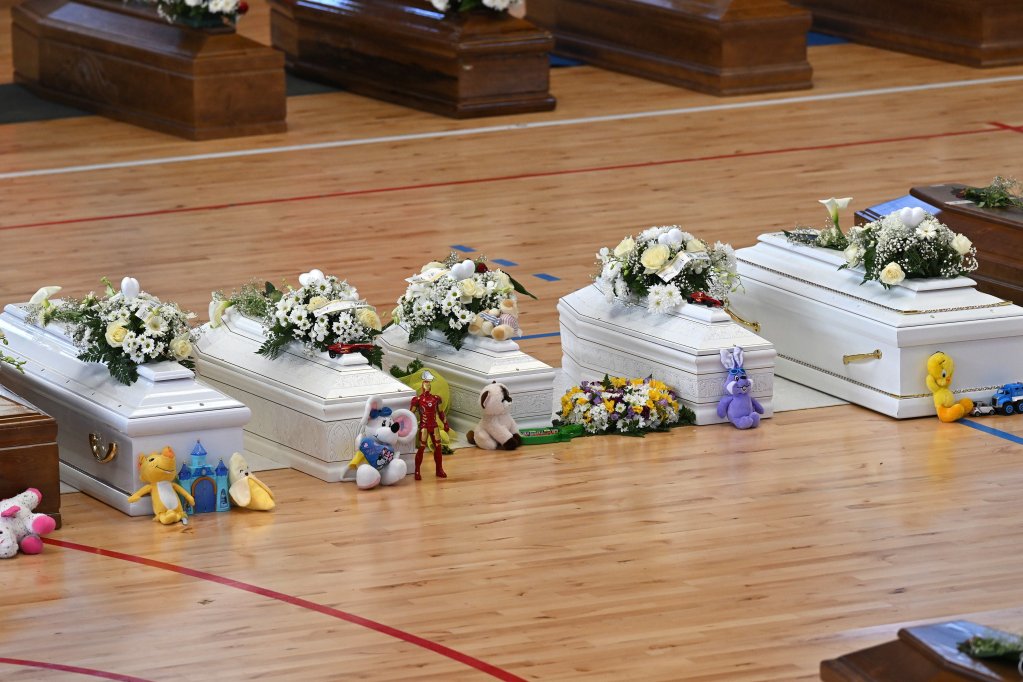
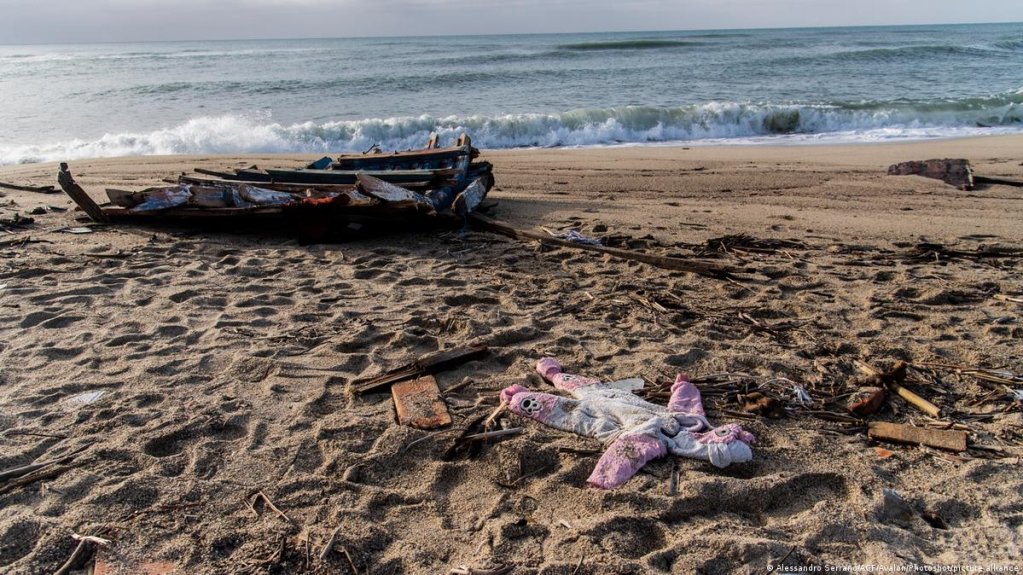
Last month, (February 26), a shipwreck occurred off the Italian coast of Calabria killing at least 89 people, marking it as one of the worst migration disasters in recent European history.
More than 170 migrants were believed to have been on board the wooden boat which set sail from the Turkish province of Izmir and got into difficulty near the Calabrian shores.
Record number of crossings to Europe
Frontex, the European Border and Coast Guard Agency, recorded an estimated 330,000 irregular border crossings to Europe last year, the highest since 2016.
On the Central Mediterranean route towards Italy, recorded crossings rose by more than half.
Egyptians, Tunisians, and Bangladeshis were the top three nationalities in a year. This year, the numbers of those embarking on a crossing from Tunisia has surpassed those leaving Tunisian shores.
Earlier this month, Josep Borrell, the EU’s Foreign Policy Chief, cautioned that the precarious political and economic situation in Tunisia could increase the migration of Tunisians and foreign nationals departing the country.