
It is one of Germany's most notorious deaths in custody: The presumed killing of Oury Jalloh, an asylum seeker from Sierra Leone who died in a police cell in 2005. After more than 17 years of legal battles, the highest German court rejected a constitutional complaint by Jalloh's brother, who said he'd now take the case to the European Court of Human Rights.
After pending for more than three years, the German Federal Constitutional Court rejected a constitutional complaint made by the brother of Oury Jalloh, an asylum seeker who burned to death in a police cell in 2005, last Thursday (February 23).
The court ruled the suspension of further investigations into the death, which occurred in the eastern German city of Dessau, did not violate Germany's constitution.
Judges said the Naumburg Public Prosecutor's Office thoroughly examined whether there might be further promising investigative leads beyond the current state of the investigation and came up with none.
'Protection of perpetrators trumps right of relatives'
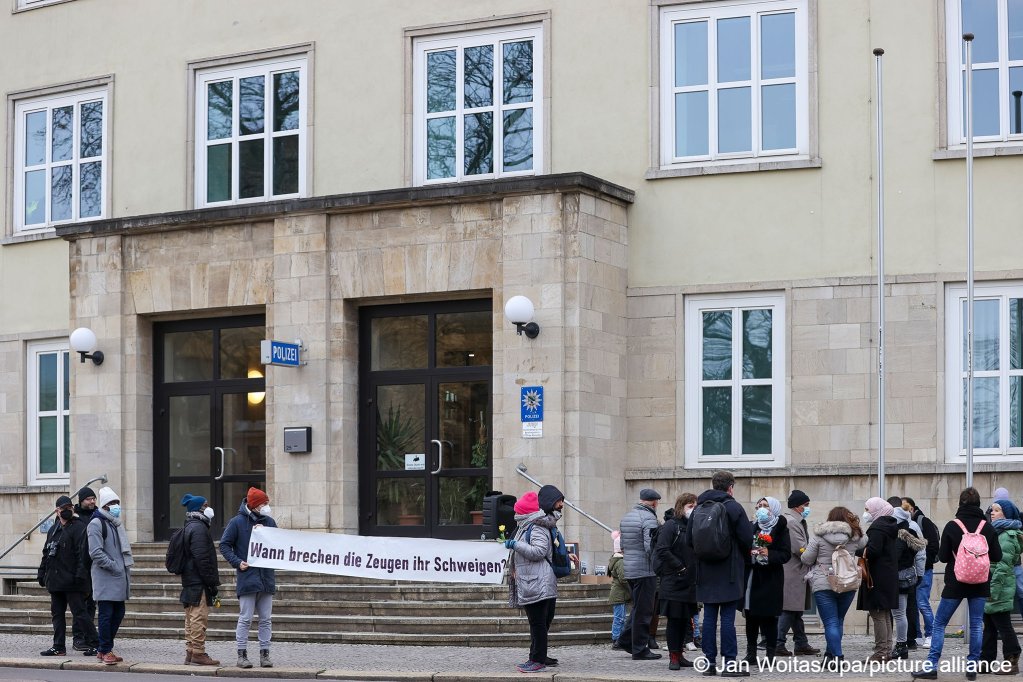
In an online statement released on Monday, the Initiative in Remembrance of Oury Jalloh slammed the court's decision, saying the ruling values the "protection of the perpetrators" over the "rights of the relatives".
"The highest instance of the German judiciary has now negated the murder and burning of a human being by police officers -- contrary to all facts and evidence -- and made the victim himself the perpetrator," the statement reads.
The case had already been heard by the Higher Regional Court in the town of Naumburg before being passed to the Federal Constitutional Court, a special court that determines whether rulings are in line with the country's constitution.
This attempt was the last resort for justice within the German legal system.
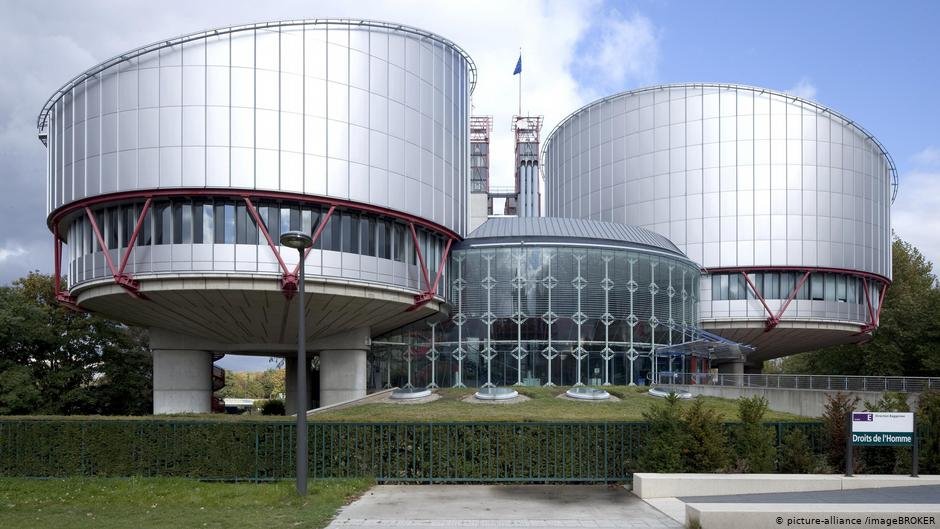
On Monday, the Initiative in Remembrance of Oury Jalloh announced it would support Jalloh's family in appealing the decision at the European Court of Human Rights. According to the initiative, the court in Strasbourg, France, previously emphasized in other cases that, particularly in the case of deaths in custody, the burden of proof is on the state to provide a comprehensible explanation of the circumstances of death.
None of the previous court cases in Germany have cleared up unanswered questions about the cause of the fire that brought Jalloh's death.
What happened to Oury Jalloh?
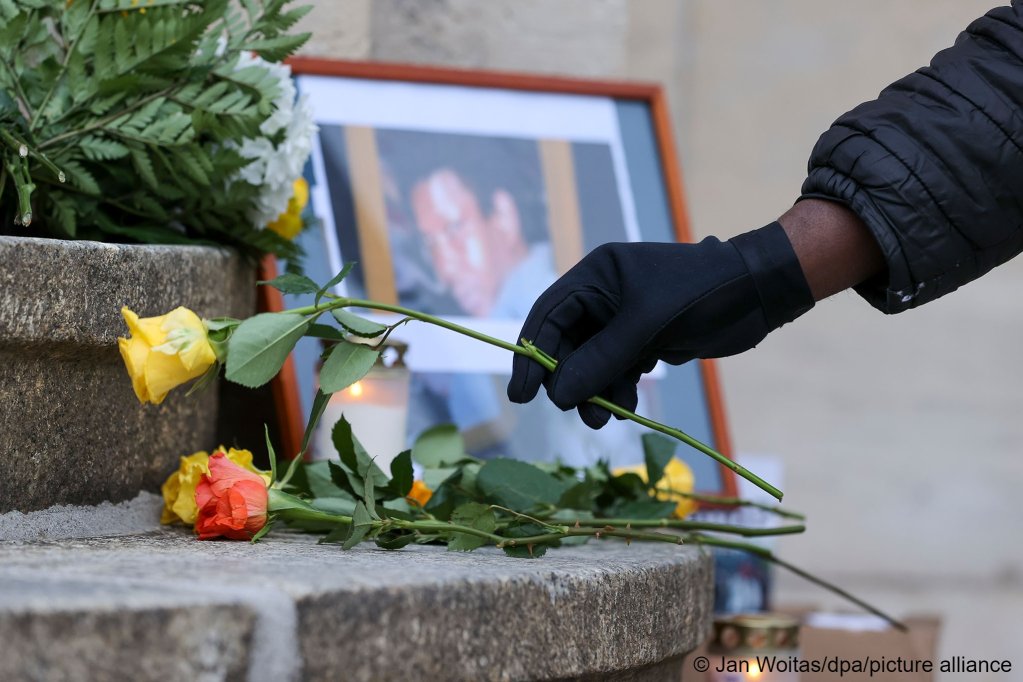
On January 7, 2005, Sierra Leonean asylum seeker Oury Jalloh died in a police cell in the eastern German city of Dessau after being detained by police. His hands and feet were shackled to a mattress.
Initiative in Remembrance of Oury Jalloh activists say murder has not been adequately considered in the case and accuse police of being involved in Jalloh's death. In 2012, a police officer was convicted for failing to ensure that the man was properly supervised.
A 300-page report published in 2020 by two special investigators outlined numerous errors in judgment by police and other authorities.
Why is the case so controversial?
Along with the errors outlined in the report, a veil of inconsistencies, negligence and apparent cover-ups hangs over the case.
For example: a public prosecutor said shortly after Jalloh's death that the man had ripped up the faux-leather covering of the mattress and, using a lighter, set fire to the foam himself -- an extraordinary explanation given Jalloh's state shackled hand-and-foot to the bed.
Additionally, no lighter was found in original searches of the cell.
Other examples include officers' apparent disregard of the fire alarm in the police station and the disappearance of security footage from the detention wing in the weeks after the fire.
It wasn't until 2019, 14 years after Jalloh died, that a forensic scientist commissioned by the Initiative in Remembrance of Oury Jalloh found that Jalloh had a broken rib and a fractured septum and skull when he died.
In October 2021, a fire experiment conducted by British forensic fire investigator Iain Peck found that a fire accelerant must have been used to create the burning and smoke patterns of the original fire in the cell, and that the door had been open for the majority of the time.
Not an isolated case
At least two other people have died in the same Dessau police station under unexplained circumstances. One of them, a homeless person named Mario Bichtemann, also died in cell 5. The two police officers suspected of killing Jalloh were working at the station then, too.
According to the Berlin-based 'Death in Custody' campaign, 219 Black people, people of color and people affected by racism have died while held in detention or at the hands of the police in Germany since 1990. That's more than one death every other month.
With dpa, epd