
The EU has managed to decide on a series of new policies aimed at curbing irregular migration. However, the impact of those policies is likely going to be limited, with the focus on economic migration rather than addressing the root causes of migration.
EU leaders said in a document published at the end of their 16-hour summit (February 9) that "a European challenge … requires a European response," as arrival numbers of migrants and refugees are once again on the rise following two years of various COVID-19 related travel restrictions.
In 2022, the EU registered a 64% increase in irregular border crossings compared to the previous year, while the number of asylum applications rose by almost 50%. These numbers exclude Ukrainian war refugees, who under an EU decision are allowed to enter and leave the bloc freely for the time being.
With millions of refugees from conflict regions like Ukraine, Syria and Afghanistan already present in the bloc, the focus of managing irregular immigration numbers will now shift to dealing with safer countries of origin including Bangladesh, Turkey and Tunisia.
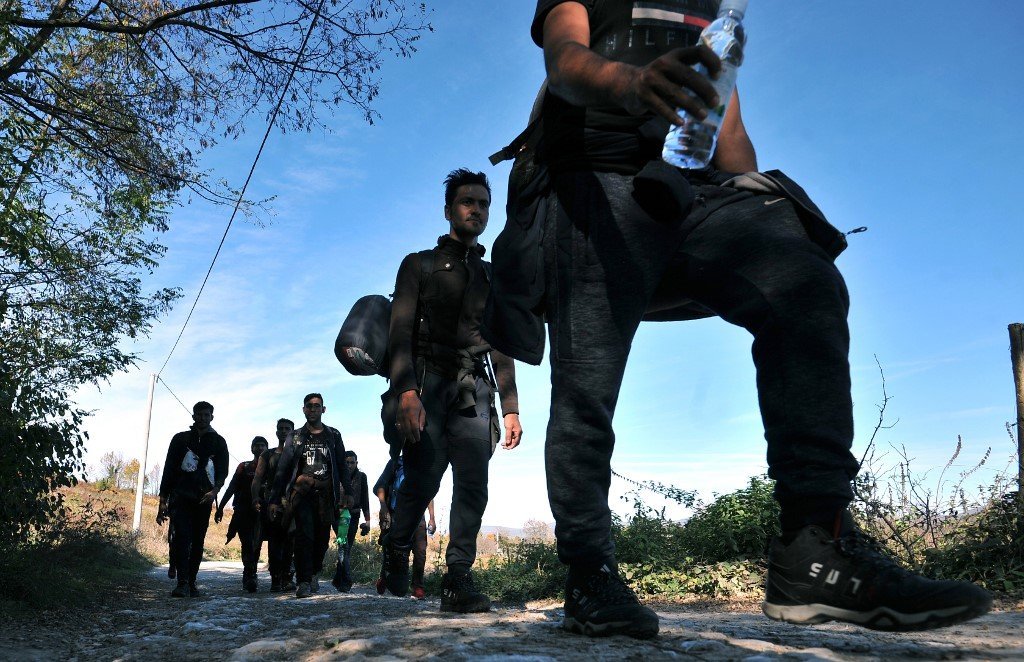
Applicants for asylum of these countries and other places considered as safe are typically classified as economic migrants, which means they are ineligible to be granted asylum.
The EU also agreed on applying more pressure on countries of origin that do not cooperate in taking back rejected asylum seekers. This is intended to also lead to more people leaving the EU who do not have a right to stay.
One of the strategy shifts for the EU will therefore be to address the relatively low number of failed asylum seekers who end up being sent back to their respective countries of origin.
Read more: EU Commission leader presents 'four-point plan' to prevent irregular migration
Two pilot projects to improve border control
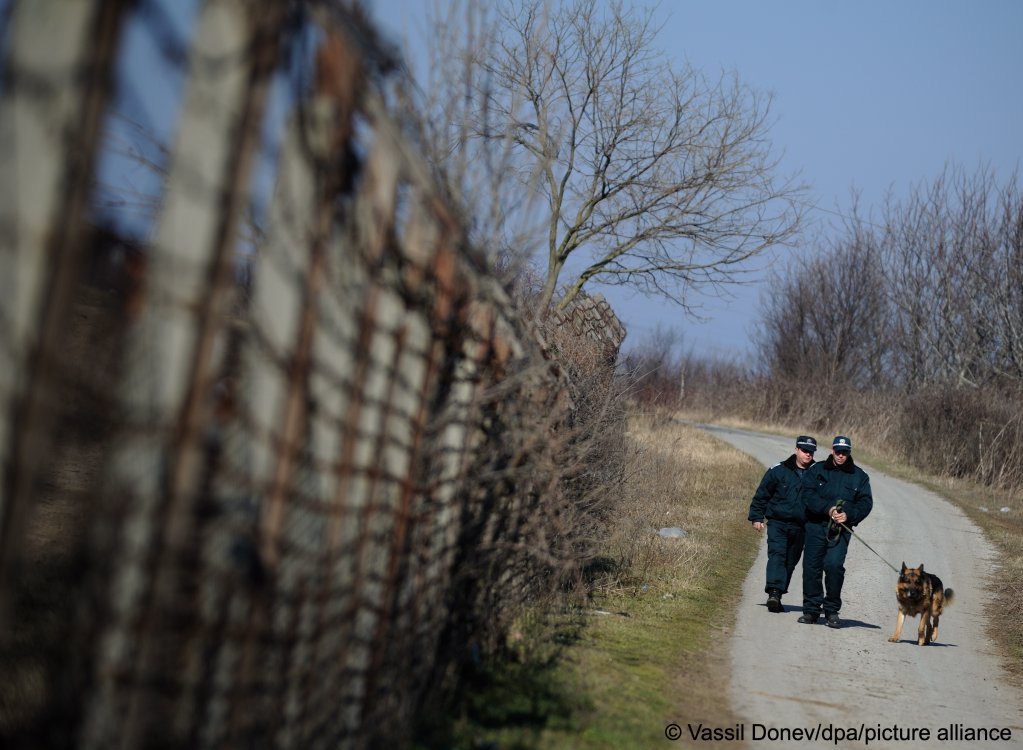
The EU also intends to step up border controls to limit migration: European Commission chief Ursula von der Leyen said that two pilot projects would soon be rolled out in Romania and Bulgaria to improve the securement of the Europe's borders.
In the first of the two pilot projects, the EU says it will offer a package of "mobile and stationary infrastructure, from vehicles to cameras and watchtowers to electronic surveillance," to the two countries, financed by both the EU budget and national budgets.
The second pilot project will focuses on optimizing procedures at the EU's external border. According to von der Leyen, this will include identifying best practices in the areas of registration and "fast and fair asylum procedures" at the bloc's external borders.
She added that this initiative will be supported the EU's border patrol agency Frontex, local asylum agencies and police authorities including the European police authority Europol.
Read more: EU migration ministers reach consensus over returning irregular migrants
EU-funded border fences?
Various EU leaders led by Austria had asked the European Commission to fund reinforced border fences to keep irregular migration and non-EU cross-border movements at bay — in particular along Bulgaria's border with Turkey, to the tune of more than two billion euros. Recent reports claiming that violence was being used along that border have moved the attention of EU leaders to its eastern external border once more.
Despite requests to fortify the border between Bulgaria and Turkey with fences, the commission however only pledged to strengthen the protection infrastructure on the border using other means, including aerial surveillance, cameras and watchtowers.
The EU argued that since it is already funding border control measures such as CCTV cameras, watch towers and other infrastructure along the bloc's external border, national budgets should instead be used to fund border fences in countries that wish to build them.
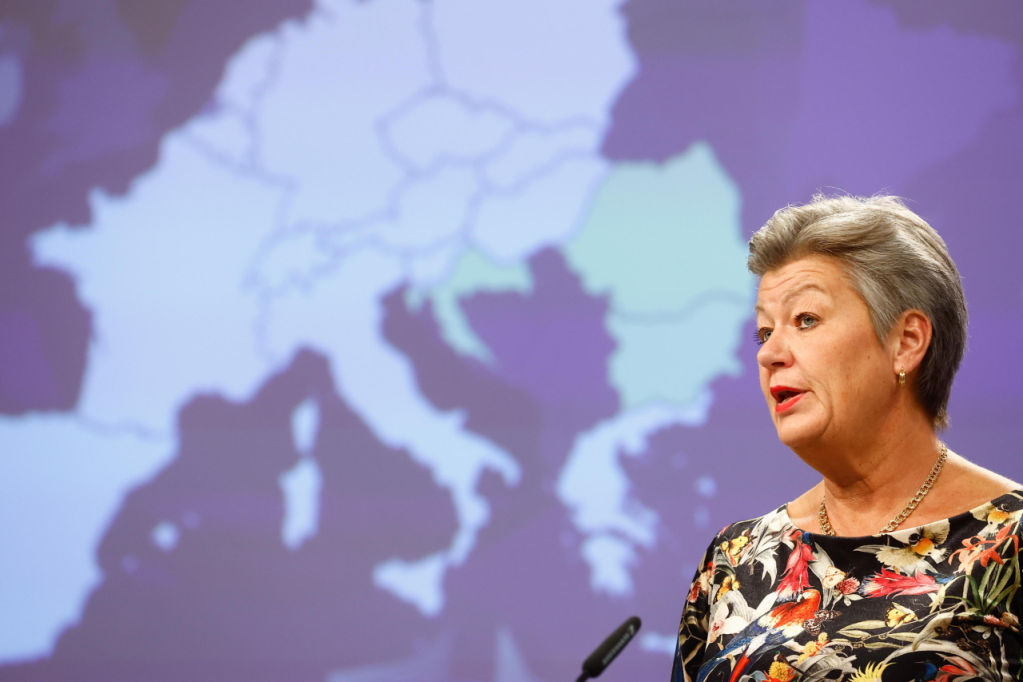
In the past, von der Leyen had repeatedly stressed that EU funds would not be used to pay for fences. Other leading figures in the European Union, including European Commissioner for Home Affairs Ylva Johansson, made similar statements as recently as last week. High-level diplomats like Johansson have argued that border fences may send a strong message but don't actually hold back migrants any better than other border control means.
Read more: Migration: The European Union's perennial conundrum
Cross-border legal decisions
The EU summit meanwhile also reached an agreement in "principle" on expanding the scope of legal decisions issued in individual member states. Under this plan, any single EU country would be able to apply a court decision made in another EU member state to send an irregular migrant back.
The idea behind this measure is to limit migrants from going from one EU member state to the next if their asylum application is rejected in the first place where they apply for protection — as in some instances, people are granted protection in a different country than the one they first presented in. The decision aims to bring an end to that practice.
To this end, EU leaders also vowed "to increase the use of the safe-country concepts" with a view to formulate a common list that is valid for the entire bloc, instead of having individual EU member states draw up their own.
Read more: EU refugee strait could worsen in 2023 without policy change
Long way to go
While the agreement created some measure of consensus among EU members states, discrepancies and imbalances remain. In particular, the issue of relocating migrants arriving in the southern countries of the bloc like Spain, Italy and Greece in order to alleviate the burden on these nations is still outstanding.
Last summer, the EU only managed to agree on a voluntary mechanism to this end -- under which there have been less than 500 relocations so far.
Von der Leyen said that in the long term, she was counting on finalizing the EU migration pact, which has been under negotiation since 2020.
It is expected to be adopted before the next EU elections in 2024; however, its application across the bloc might take several more years thereafter, experts says.
with AFP, dpa, epd