
Armed attacks in South Sudan have forced some 30,000 people to flee their homes in recent weeks, according to UN figures. The region surrounding the eastern African nation, which has been plagued by violent conflict for years, could be the breeding ground for the next major migration movement.
About 5,000 people sought shelter away from clashes just in the past week, according to the UN Office for Humanitarian Assistance (OCHA) in South Sudan.
On December 24, gunmen from the eastern Jonglei state attacked various communities in the nearby Greater Pibor administrative region. The violence had been preceded by clashes between opposing ethnic groups there.
Sara Beysolow Nyanti, UN humanitarian coordinator in South Sudan, said that civilians, especially "women, children, the elderly and the disabled," are bearing the brunt of this ongoing crisis.
"People have suffered enough," she said.
Hamida Lasseko, UNICEF representative in South Sudan stressed that this "escalation of violence across the country has left more and more people in urgent need of assistance."
Read more: Displaced woman sets up small coffee stall with IOM assistance in South Sudan
UN: government not sufficiently held to account
International organizations, including the UN's UNMISS mission and the northeast African alliance Igad, issued a joint statement expressing "grave concern" over the escalating violence in recent months, calling on the country's leadership to intervene.
They added the government of South Sudan has a responsibility to protect its civilians and launch investigations to hold those responsible for the attacks accountable.
Read more: Refugee helpers soldier on despite rise in conflict and migration
Growing instability across the region
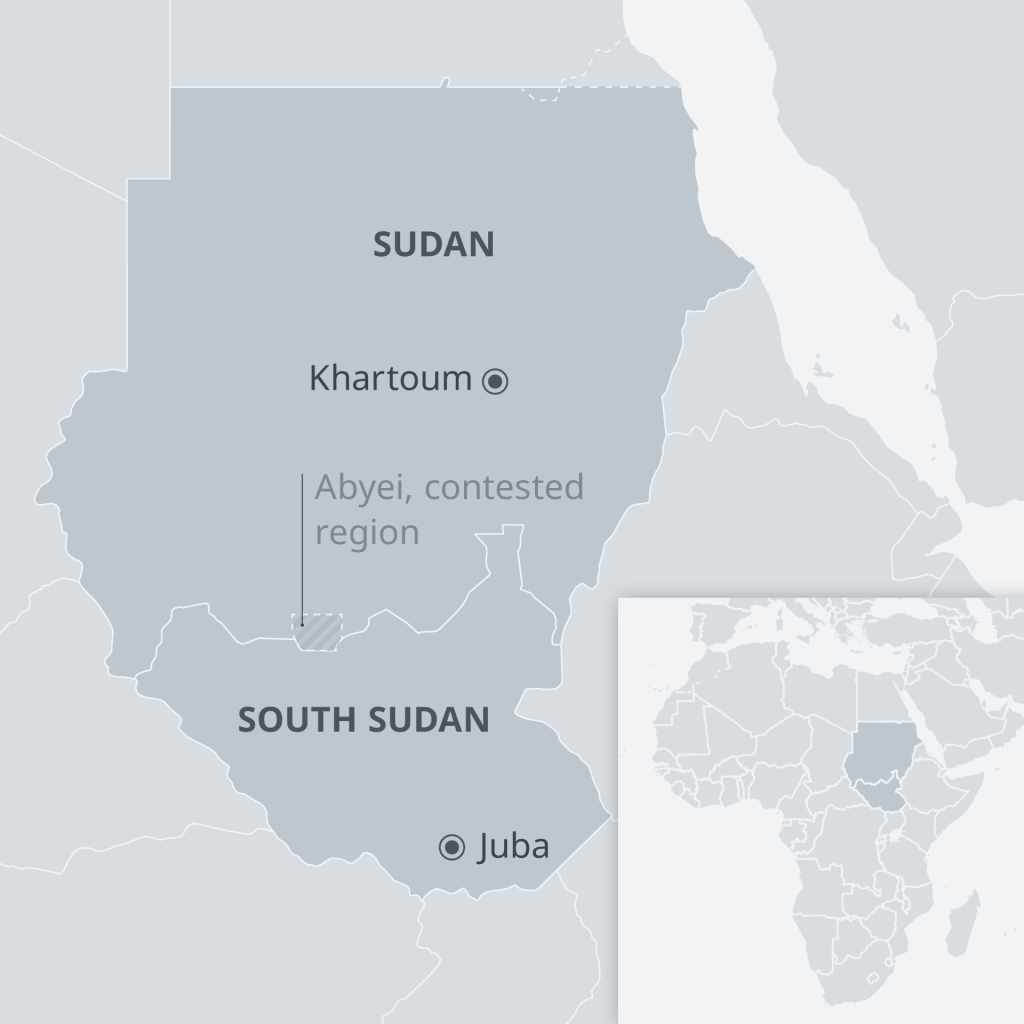
One of the poorest countries in the world, South Sudan continues to suffer from chronic instability since it broke off from Sudan and became a country in 2011. The overall level of destitution across the country has further prevented the country from recovering from a civil war that killed nearly 400,000 people and displaced millions.
Additionally, perennial floods have also added to the sense of destitution in the country, despite its large oil reserves serving as the backbone of the economy.
Located adjacent to the Horn of Africa, where a spell of droughts and political instability has created a growing humanitarian crisis, landlocked South Sudan is at risk of becoming an extension of a possibly burgeoning migration movement, which observers say could affect Europe as well as the Arabian peninsula in 2023.
Read more: More than 100 million migrants on the run worldwide: UN
with AFP, dpa