
A six-year-old Afghan child, Yusuf, was killed last month when security forces shot at a minibus carrying migrants in eastern Turkey. No one has been held to account for his death.
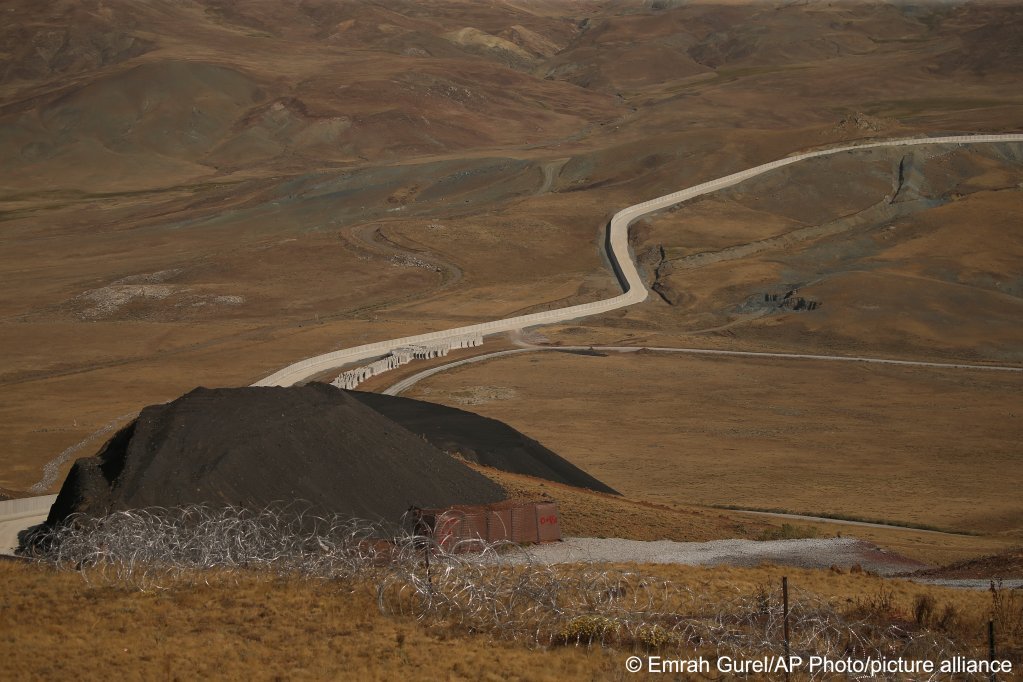
Six-year-old Yusuf was thirsty and asking for a drink of water – his mother told him to wait until they had reached safety. Packed into a minibus meant for 14 people, the group of about 45 mostly Afghan migrants was approaching the security checkpoint at the Iran-Turkey border on July 3 when the driver, instead of obeying a warning to stop, tried to speed through. Police and border guards opened fire, injuring ten people and killing the young boy.
Three bullets
The autopsy report states that three bullets hit Yusuf's body, Turkish journalist Hale Gonultas wrote in the online newspaper Kisadalga.net.
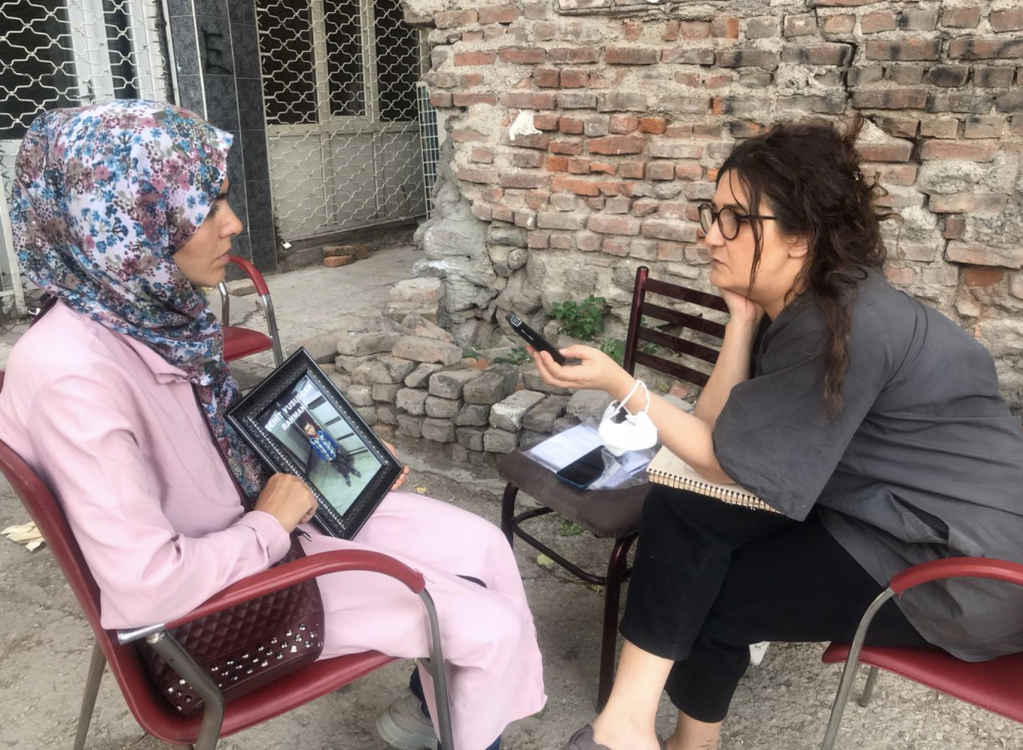
Yusuf’s mother, Marziya Mahrani, told Gonultas: "I don't know how many people were shooting, but they fired a lot. I was leaning over Yusuf. I had my child protected. Those bullets were supposed to hit me."
"I came to Turkey to escape from the war," the 34-year-old continued. "I took my children out of the land of death because there was no security. But my child was killed here."
Following the tragedy, the Van governor’s office implied in a statement that the "refugee" had died "inadvertently" as a result of the bullet ricochet, said the journalist Gonultas.
Yusuf's body was kept in the hospital morgue in Van for two weeks. At the family's request, it was then taken to Ankara for burial.
Refusing food
In the Turkish capital, the Mahranis are living in a single room which was rented last year by their 14-year-old son, who works as a cleaner in a café. Like his siblings and parents, he is not registered with the immigration authorities.
Gonultas, who visited the family, said the room has no cooking facilities or private bathroom. The two children aged 14 and 12 eat one meal a day, of cheese or olives on bread.
Marziya herself does not eat at all, because Yusuf had said that he was "hungry" shortly before he died. Her husband Davut too has stopped eating, and because of their grief, both parents are suffering from dizziness, nausea, and hand tremors.
Also read: 'This is my golden time, I don't want to spend it in displacement'
Tortured by the Taliban
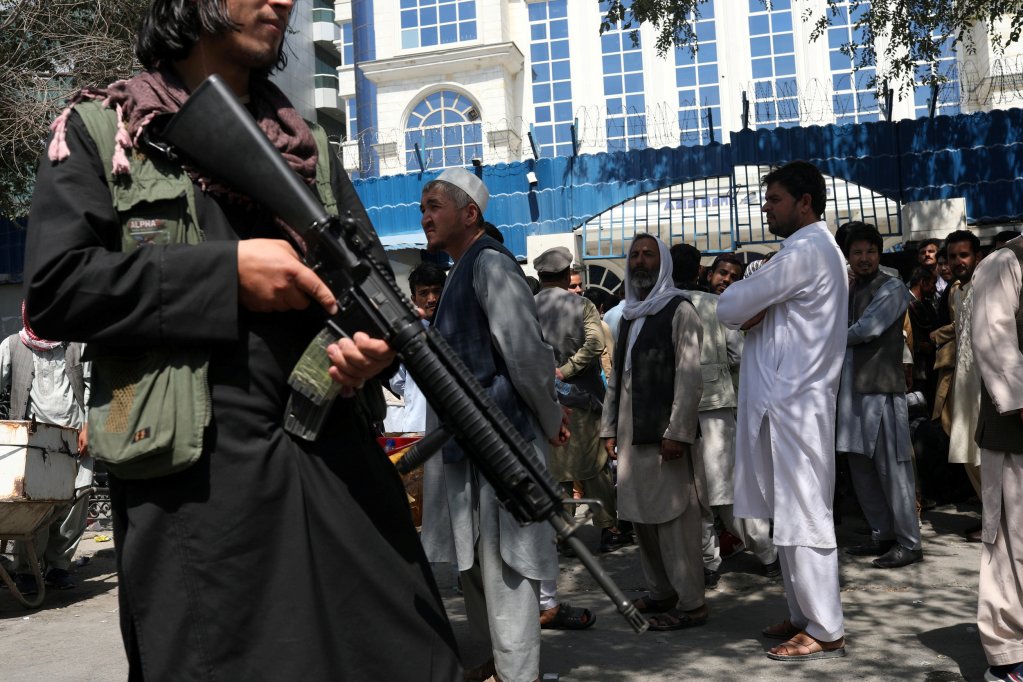
Marziya Mahrani told Gonultas that the family had been happy before the Taliban took power. "My husband was working on construction of the power plant in Herat. The Taliban wanted to enlist my 16 and 14 year old sons as soldiers. Shortly after the Taliban took over the country last year, I sent them both to Turkey to save them from death."
"My husband's boss joined the Taliban and […] ordered all workers at the plant to join the Taliban. My husband couldn't for a single moment contemplate becoming a Taliban soldier. He was tortured for disobeying the Taliban's orders. The last time he came home from torture, he was in bad shape. He had been released, but we knew that they would not leave him alone."
The couple borrowed money and the family set off for Iran, where they found smugglers who agreed to take them to Turkey. Once they reached the border, they were to be driven the final stage of the journey.
Fatal journey
"We got on the minibus. I took my son Yusuf in my arms and sat by the window. People were lying on the floor, one on top of the other, so as not to be seen from the outside. It was at least 40 degrees. Some people vomited or fainted from the heat and stuffiness. Yusuf wasn’t well, he kept repeating that he couldn't breathe.
"'Mum, open the windows,' he was crying. I couldn't stand it. I opened the window and Yusuf stuck his head out and took a deep breath. But the driver and the smuggler got very angry when we opened the window. They were constantly shouting. I closed the window. Yusuf was crying. He wanted water. He was hungry. I asked him to be a little more patient."
Also read: A year on, women in Afghanistan remain defiant
When the bus approached the checkpoint, the driver and the smuggler started shouting, Marziya continued. Instead of stopping, the vehicle sped up.
'I never thought Yusuf might be dead'
"From the moment the gunshots came, I leaned over Yusuf. The minibus went another 100, maybe 150 meters, and stopped quickly. I understood that the tires had been shot. The police continued to fire.
"While I was bent over, I felt a warm liquid on my face, in my hand. I lifted my head, blood was coming from Yusuf's mouth and nose. My hands were also covered in blood. But I never, ever thought that Yusuf might be dead. I thought it was someone else’s blood. There were too many people, too much noise, and too much blood. Everyone was shouting. I felt buzzing in my ear. I felt air getting in. The doors were opened. I could make out the voices of my husband and other children, among other voices.
"My husband was looking at us. He took Yusuf from me, took him off the minibus in his arms. My face was covered in blood. I wondered if the bullets had hit me [but] I couldn’t feel any pain. I got off the minibus too. Villagers and women who heard the gunshots came to help. Village women were also shouting.
Also read: Afghan airforce captain fighting for asylum
"They laid Yusuf on the ground. I didn't believe he was dead. I took some water brought by the village women. I wanted to take my son in my arms and give him the water he had wanted during the trip. The women did not allow me to hold Yusuf in my arms. It was at that moment that I understood."
Lawyer vows to seek justice
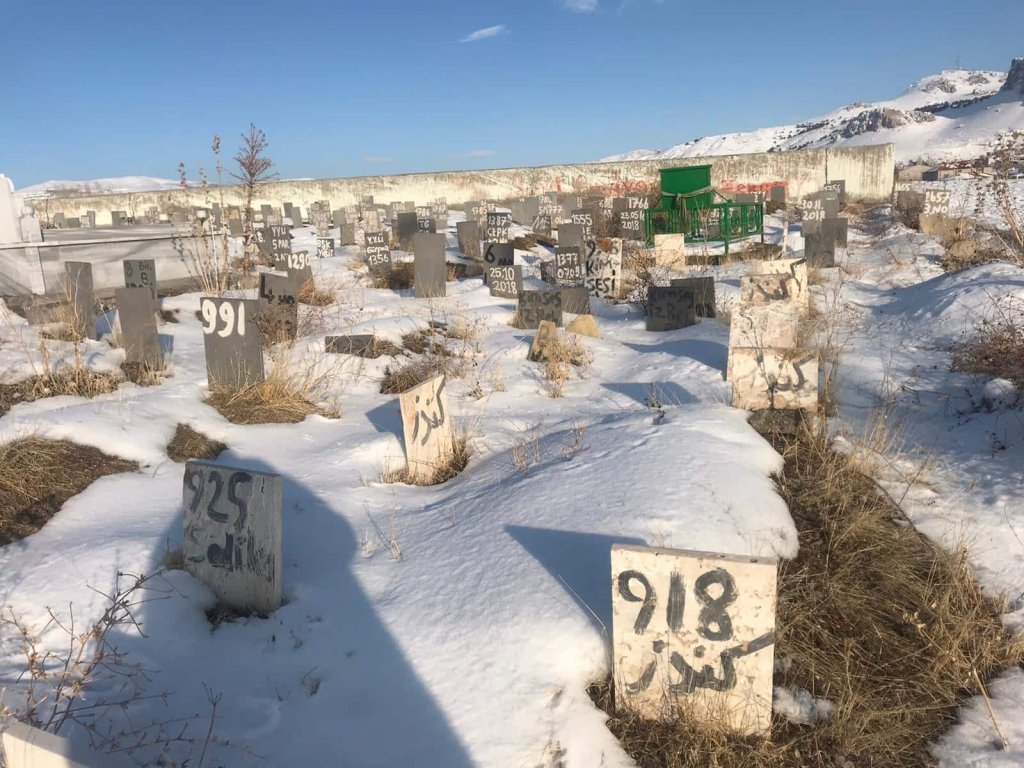
Some of those who had been injured were taken to the hospital, but others are reported to have run away. Lawyer Mahmut Kaçan, a member of the Van Bar Association Board of Directors, visited the injured migrants in hospital the day after the incident, but was prevented from meeting with Marziya.
He told Kisadalga.net that lawsuits had been filed to stop eight of the migrants who were taken to removal centers from being deported.
"We will use legal means to fight to the end so that the victims are not deported, the case is not closed, and those responsible are punished," Kaçan said.
It has not been established how many bullets hit the minibus, he told Gonultas. "But we know that a large number of shots were fired."