
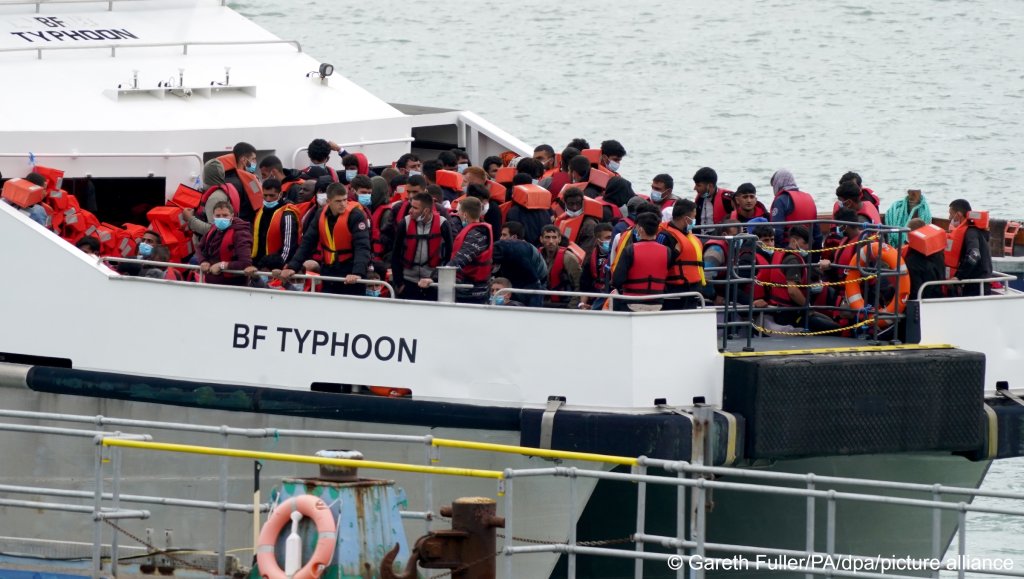
The UK continues to break its own record on the numbers of migrant arrivals from across the English Channel. Almost 700 migrants crossed from France to Britain on Monday, setting a new record for 2022.
The UK's Ministry of Defence counted 696 migrants, who arrived on a total of 14 small boats on Monday, August 1. This is the second time this year that the daily tally topped the mark of 600 arrivals.
According to reports, the migrants were taken ashore near the coastal town of Ramsgate in the County of Kent, from where they were sent on buses to processing centers. There were also children among the arrivals, according to the French news agency Agence France Presse AFP.

Read more: France to UK: Why do migrants risk the Channel crossing?
Record after record
According to official figures, more than 17,000 irregular migrants have arrived in the UK so far this year, all crossing the English Channel from France or in some instances from Belgium. The narrow strait is one of the world's busiest shipping lanes, making the journey on small boats, not designed for sea travel, particularly dangerous.
Last year, a total of over 28,500 people arrived in the UK using irregular means of migration. If the current trend continues, it is likely that the arrival numbers of 2022 will surpass last year's tally.
The all-time daily record of arrival via the English Channel was set in November 2021 when on one day, 853 migrants managed to arrive on Britain's shores. In general terms, the number of sea crossing attempts increase during the summer months, when more clement weather conditions prevail.
However, regardless of sea conditions, the dangers of crossing the channel remain; Labour party MP Diane Abbott sent a reminder last week that despite frequent patrols, people can be "left to drown" in unseaworthy vessels.
Read more: Mounting criticism of UK government handling of Channel migrants
Making the UK unattractive to migrants
The continuing trend of increasing sea arrivals flies in the face of the UK's changing asylum policy, which is aimed at creating strong deterrents against irregular migration. In addition to introducing tough penalties and prison sentences for smugglers, the UK's new laws also make it harder for migrants arriving in the UK by irregular means to be granted long-term prospects in the country.
Read more: Two categories of refugees under Britain's new law
A Government spokesperson told the Daily Mail newspaper: "The rise in dangerous Channel crossings is unacceptable. People should always claim asylum in the first safe country they reach, rather than risk their lives and line the pockets of ruthless criminal gangs in order to cross the Channel. The New Plan for Immigration is reforming the UK's broken asylum system."
The statement continued, explaining that "[t]he Nationality and Borders Act makes it a criminal offence to knowingly arrive in the UK illegally and we have introduced life sentences for those who facilitate illegal entry into the country."
Read more: Rwanda prepares for first transfer of asylum seekers from UK
Rwanda policy in question
In addition to these changes, irregular migrants are supposed to be put off by the UK government's controversial policy to have many asylum seekers sent to Rwanda for processing and, if successful with their application, for permanent resettlement as well. This particular issue, however, appears to not have made much of a difference in changing the minds of people who wish to reach Britain.
The first flight of almost 50 migrants was supposed to take off for Rwanda in June but was grounded in the end due to a series of legal challenges. While the policy is still active on paper, it is effectively halted at the moment, while the courts assess its legality.
Meanwhile, both the two Conservative Party frontrunners to replace UK Prime Minister Boris Johnson, Rishi Sunak and Liz Truss, have vowed to keep the Rwanda policy in place.
Waste of public funds?
In addition to changing its laws, the UK has also been spending millions to curb boat journeys; in particular, Britain has been paying France to increase its beach patrols and has also been financing additional equipment to improve monitoring techniques.
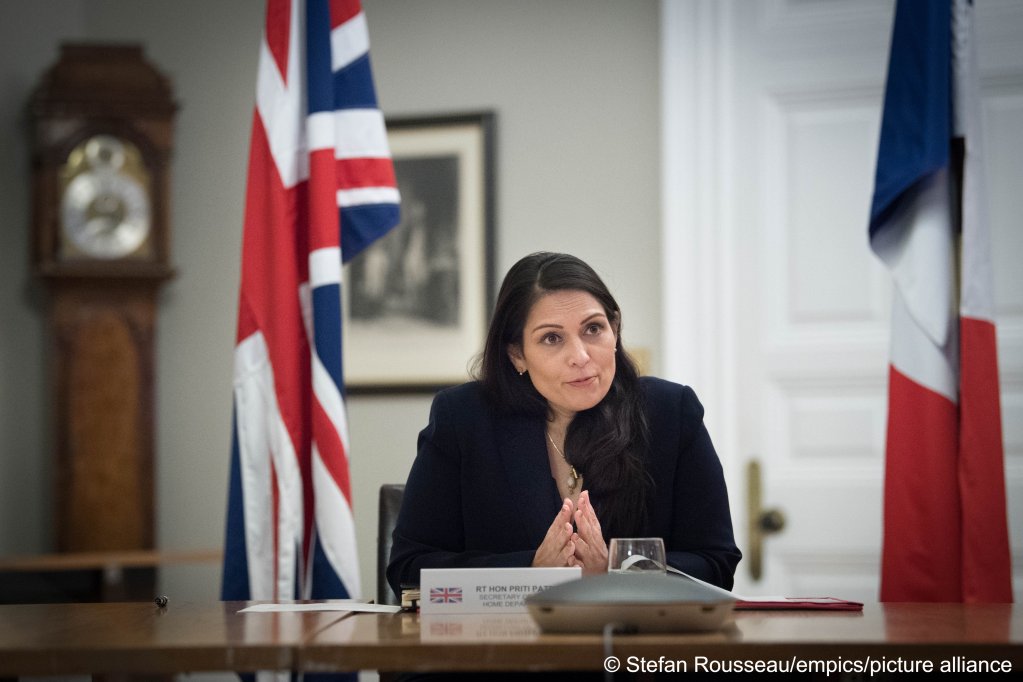
However, UK Home Secretary Priti Patel has been receiving a lot of criticism for her policies ahead of the impending announcement of the latest deal with France, including from within the ranks of her own Conservative Party. The Times newspaper reported that one senior Conservative Party lawmaker said that Patel was "throwing more good money after bad."
Read more: Terms and acronyms that asylum seekers need to know in the UK
with AFP