
The UK has expressed plans to set up a scheme to allow more refugees fleeing the Ukraine to enter Britain, without specifying further details. However, the announcement has also been met with criticism both at home and abroad, with various leaders saying it might be too little, too late.
The Sun daily newspaper reported on Monday (March 7) that British Home Secretary Priti Patel wants to explore additional schemes to allow people in who are fleeing the violent conflict in Ukraine.
"I'm urgently escalating our response to the growing humanitarian crisis," Patel told The Sun on Sunday, referring to her recent experience visiting the Polish-Ukrainian border last week.
The Sun journalist Harry Cole, who conducted the interview, highlighted that Patel will be exploring options to create a "humanitarian route" to come to Britain.
"This means anyone without ties to the UK fleeing the conflict in Ukraine will have a right to come to this nation," Patel told The Sun.
Not enough, says opposition
The UK had already announced visa schemes for refugees from Ukraine who have family in the country or a willing sponsor. But opposition parties in parliament, especially Labour, think this is not enough.
In addition to a campaign urging the Conservative government to introduce tougher sanctions on people doing business with Russia and, in particular, on Russian oligarchs who have business ties to Britain, Labour has also raised the issue that the government is doing enough to help those fleeing Ukraine compared to the efforts being stemmed by its European neighbours.
In comparison to the United Kingdom, the European Union has quickly passed laws to allow people fleeing Ukraine to be admitted into the bloc regardless of their preexisting links. The EU agreed to grant temporary residency to Ukrainians fleeing the Russian invasion, which will give them access to employment, social welfare and housing for up to three years.
Read more: Why do migrants try to come to the United Kingdom?
Britain's neighbors in the EU have also raised criticism over the slow response. France, in particular, has accused the UK of inappropriate behavior, as around 150 Ukrainians who wished to travel across the English Channel to be with relatives in Britain were reportedly asked to first apply for visas in Paris or Brussels.
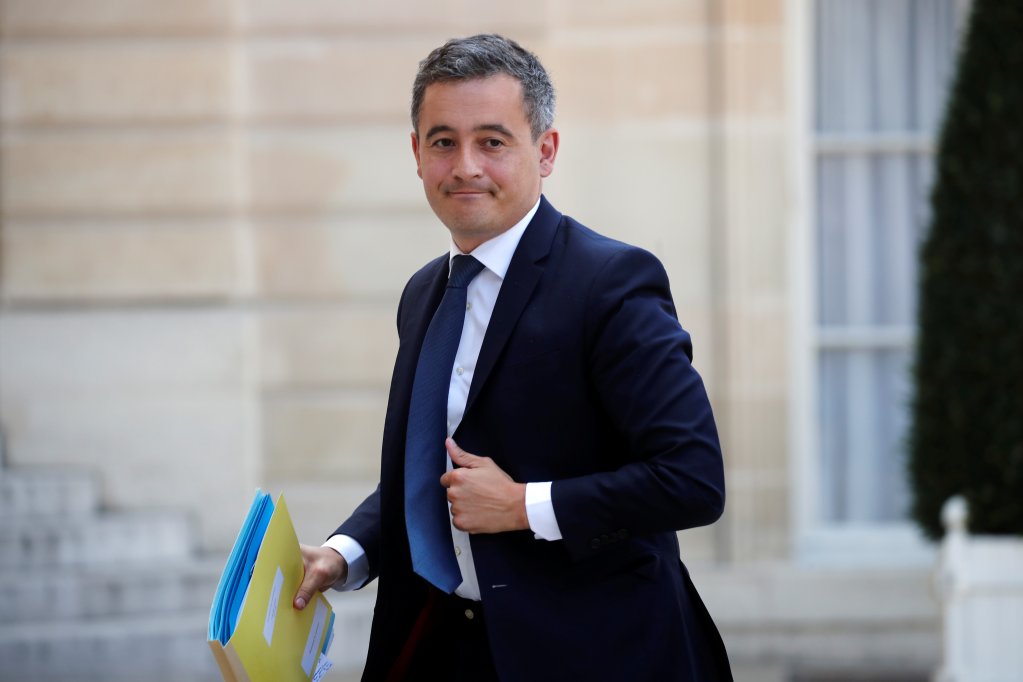
The French daily newspaper Le Parisien reported on Sunday that Interior Minister Gérald Darmanin had written to Patel, his British counterpart, calling this a "totally inadequate response" and a "lack of humanity." According to this report, Darmanin told Patel in the letter that it was incomprehensible to see consular reinforcements being deployed throughout Europe and even in Ukraine, but not by Britain.
The German dpa news agency meanwhile said that it had French reports saying that Britain is considering setting up a temporary consulate in the French port city of Calais where it can issue visas to Ukrainians on the spot before they would be able to cross the English Channel legally by ferry or by train.
Read more: Home Office report confirms record number of UK migrant arrivals via the English Channel
Justice Minister expects at least 200,000 Ukrainians
British Justice Minister Dominic Raab defended Britain's existing visa rules, according to the Press Association news agency. He said that it was necessary to stick to the book in order to ensure that only people who really needed help could enter the UK, and that they were genuine refugees.
He added that the people who present as refugees came from a war zone where foreign fighters were also active. Raab highlighted that by way of making use of the family reunification route alone, the UK expects about 200,000 refugees from Ukraine.
The UK's departure from the European Union -- known commonly as "Brexit" -- in 2020 means that the country is entirely independent of EU immigration laws and agreements, allowing it to make its own decision on how it wishes to deal with the expected refugee influx from Ukraine. The decision to leave the EU was fought since 2016 on a platform of "taking back control" over the UK's borders and making it a less attractive destination for migrants and refugees seeking to enter the country using irregular means.
Prior to the Ukraine crisis, changes to the UK's existing immigration system were being tabled in parliament for months following the completion of Brexit procedures; these include some serious reforms to UK asylum law, which among other things will make false claims on asylum applications criminal offenses punishable by imprisonment.
Read more: Brexit: UK's tightening grip on migration results in little more than political muscle-flexing
Biggest mass exodus in Europe since World War II
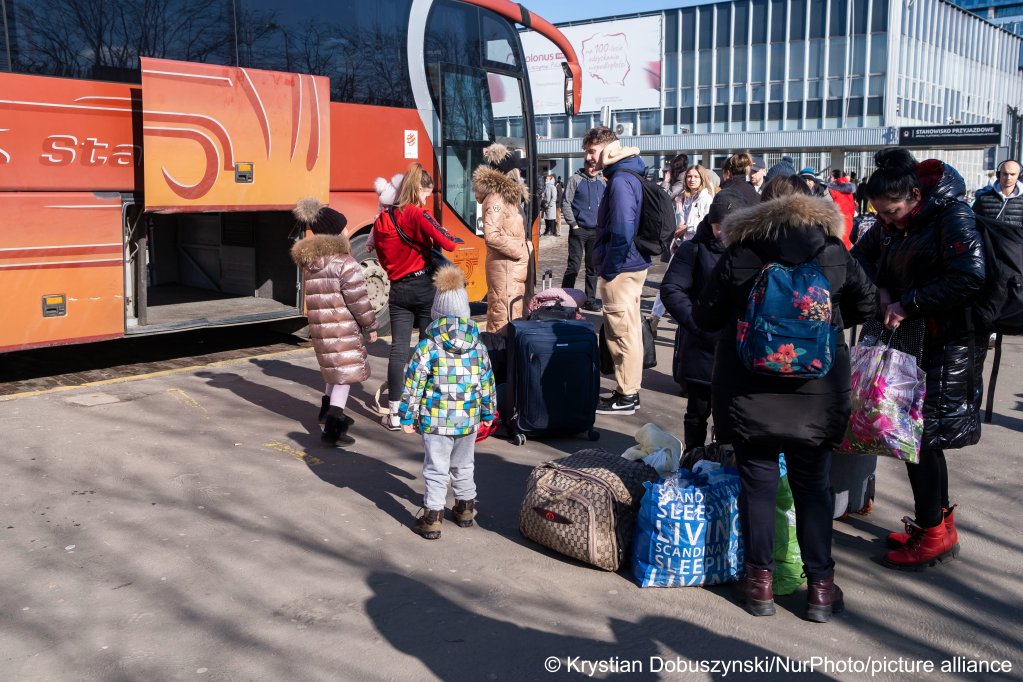
Following Russia's invasion, Ukrainians and foreign nationals living in Ukraine have poured into neighboring countries including Poland, Hungary, Slovakia, Romania and Moldova. Many have since traveled to other parts of the EU, such as Germany.
More than 1.5 million had fled the country, according to UNHCR numbers. This displacement of people has now eclipsed the rate of refugees and migrants reaching Europe during these-called refugee crisis of 2015, becoming Europe's fastest growing refugee crisis since World War II.
With Reuters, dpa