
Syrian families separated during sea push-backs are desperate to be reunited. But Cypriot authorities say asylum seekers do not have such rights.
"I can only cry. I'm devastated — my family too," said 25-year-old Syrian Kawthar Raslan, cradling her newborn child in a migrant camp on the Mediterranean island of Cyprus. She was dumped at the camp by authorities after being separated at sea from her husband and other children, aged just one and three.
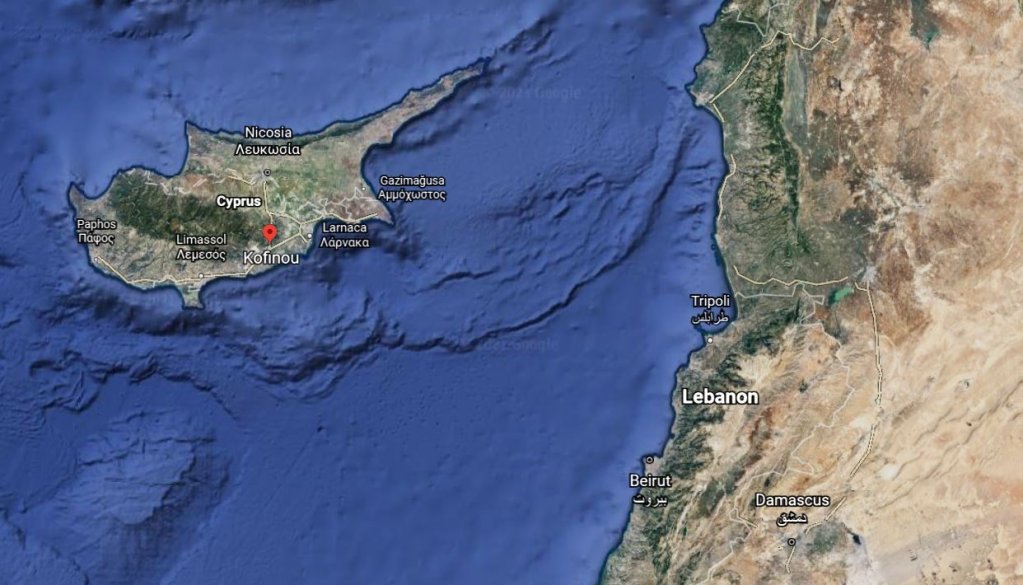
The family left Lebanon's capital Beirut on August 22 on board a boat carrying dozens of other Syrian migrants, destined for Cyprus, a European Union member state 160 kilometers away.
Around 10 kilometers from the Cypriot coast, the Cypriot coastguard intercepted the boat, wanting to sent it back to Lebanon. Seeing the pregnant Kawthar was close to giving birth, the coast guards took her to Cyprus. But they left most of the other passengers — including the rest of her family — in the boat, which returned to Lebanon.
'I will never forget that moment'
Lebanon is home to more than a million Syrian refugees. The country's devastating economic crisis has propelled hundreds of Syrians towards Cyprus. Joining Syrian refugees on the boats are now Lebanese nationals who try to seek asylum in the European Union, according to Reuters.
But Cyprus, with the EU's highest proportion of asylum seekers per capita, last year signed an agreement with Lebanon to send back all irregular migrants who attempt to reach the island by boat.
"I almost died when I heard about my family being sent back to Lebanon," Kawthar told AFP, sitting on a mattress on the floor of a prefabricated cabin in Kofinou camp in the south of the island.
"They knew that my husband and my children were with me and they prevented them from following me," Kawthar said of the Cypriot coastguards. "I will never forget that moment."
Authorities urged to show compassion
Kawthar gave birth to a son, Yazan, on August 23, a day after being picked up by the coastguard. Originally from Idlib in northwestern Syria, she urged Cypriot authorities to "show compassion" and allow her to be reunited with her family. "I can live neither in Lebanon nor in Syria," she said.
Cypriot authorities say only migrants with refugee status have the right to be reunited with their families. But among the 7,700 Syrian asylum seekers who have arrived in Cyprus since 2018, less than two percent have achieved this status, the UN refugee agency UNHCR says.
Back in Lebanon Kawthar's husband is struggling to care for the family. "The children are traumatized, only one word comes out of their mouths — 'Mummy'," Hassan al-Ali told AFP in the village of Ain El-Tefaha, where he rents a room, around 30 kilometers from Beirut.
"We were on board the boat under a scorching sun and the children were very thirsty," he recalled. "My daughter wasn't moving – I thought that she was going to die," he added, his voice breaking with emotion.
Separated after losing consciousness
Like Kawthar, Issa Chamma, another Syrian on board that day, found himself in Kofinou camp. Originally from Aleppo, the 37-year-old suffers from lung problems, and he was also separated from his family after losing consciousness onboard.
His wife and three children, aged from two to 11, even "spent two days in prison on their return to Beirut," Issa said.
According to the UNHCR, returning asylum seekers to places where they risk persecution and torture contravenes international and European law.
"This practice must end because it puts lives in danger," said UNHCR Cyprus spokesperson Emilia Strovolidou, calling on the island's authorities to reunite both Kawthar's and Issa's families.
During the first week of September 2020, the Cypriot coast guard forces summarily pushed back, abandoned, expelled, or returned more than 200 migrants, refugees, and asylum seekers coming from Lebanon without giving them the opportunity to lodge asylum claims, Human Rights Watch reported.
Policy questioned
On September 21 this year, the Cypriot government's migration policy came under attack during a parliamentary hearing.
"We are asking the government to implement international and European laws," Alexandra Attalides, a parliamentarian from Cyprus's Green Party, told AFP. "In the case of this lady from Syria, I am asking that all humanitarian measures are taken to reunite her with her family," she added.
But Cypriot Interior Minister Nicos Nouris dismissed the demand saying it might open the floodgates to thousands of similar requests. "Asylum seekers do not have such rights," he declared during a press conference.
Earlier in August, Nouris had told AP that Cyprus had "the right to refuse the illegal arrival of migrants," contending that asylum seekers are not entitled to family reunification.
On an August visit to Nicosia, the EU's home affairs commissioner, Ylva Johansson, said there were questions about the operation that separated the two families.
Kawthar says she has been "well treated" in the camp, but she "thinks constantly" of her two other children.
"Nothing can compensate for their absence," she said.
With AFP